Portuguese
  Spanish



Neptune Energy and Partners Successfully Advance the L10CCS Project to the Define/FEED Phase, Including Technical and Economic Assessments.
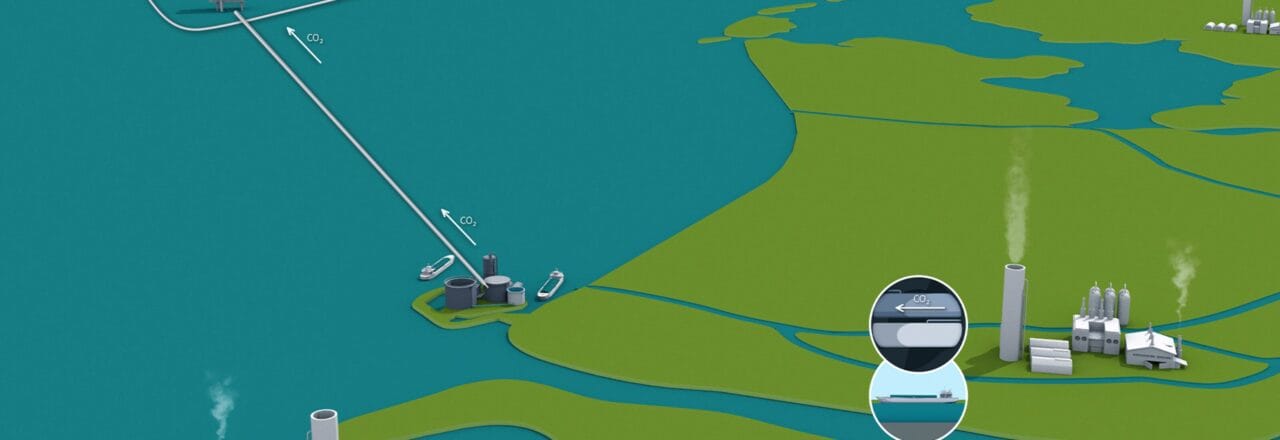
CCS – Carbon Capture and Storage is increasingly gaining traction in energy and sustainability projects, as in the case of L10CCS, which aims to store 5 million tons of CO₂ annually in the North Sea. This project, led by Neptune Energy, has progressed to the next phase of Front End Engineering Design (FEED), bringing hopes of reducing CO2 emissions in the EU, according to the IEA Sustainable Development Scenario.
The L10CCS initiative, part of the broader Carbon Capture and Storage (CCS) project, aims to provide a safe location for emitters to store their carbon, contributing to the cumulative reduction of CO2 emissions in the EU. The potential storage capacity in the region around L10 is up to 120-150 metric tons, proving to be essential to achieving climate goals at low costs and opening possibilities for many emitters needing secure CO₂ storage in the North Sea. We are facing significant advances for a well-functioning CCS market, allowing for the meeting of climate targets and contributing to a more sustainable future.
CCS – Carbon Capture and Storage: The Future of Emission Reduction
According to renewable energy experts, CCS – Carbon Capture and Storage is key to reducing CO₂ emissions and combating climate change. Carbon Capture and Storage (CCS) is a promising technology that enables the capture of carbon dioxide generated by industrial processes and its subsequent safe and permanent storage. This approach can be crucial to achieving the internationally established climate goals.
-
The Chamber releases R$ 10 billion to hold the price of diesel until December and proves that Brazilian fuel remains tied to Congress.

-
It’s official: Petrobras takes 75% of block 3 in São Tomé and Príncipe and debuts as an offshore operator outside South America.
-
With a record production of nearly 3 million barrels per day, Petrobras resumes importing diesel in July, highlighting the bottleneck in Brazilian refining.
-
Qantas and Airbus Invest in Company Aiming to Convert Unsorted Household Trash into Jet Fuel



The Front End Engineering Design of CCS projects is crucial for the feasibility and effectiveness of these initiatives. In this regard, the development of a FEED Cooperation Agreement among stakeholders can accelerate the development of technologies and implementation strategies. Additionally, obtaining the storage license is an essential step for the realization of large-scale CCS projects.
The Final Investment Decision (FID) in CCS projects requires careful financial and logistical planning, taking into account the challenges associated with CO₂ transportation and potential storage capacity. Companies and governments that take the lead in this area can reap a range of benefits, both economically and in terms of environmental responsibility.
Therefore, it is imperative to establish strong partnerships and adopt incentive policies for the development of CCS projects. With the right technology and strategies, it is possible to make significant progress in reducing CO₂ emissions and transitioning to a more sustainable economy. CCS – Carbon Capture and Storage represents a concrete opportunity to mitigate the impacts of climate change and ensure a healthier future for generations to come.
Source: World Oil