Portuguese
  Spanish


Congress Analyzes Bill That Transfers Management of Military Schools Like AMAN, ITA, and IME to the Ministry of Education. The Proposal Divides Opinions Between Modernization of Education and Preservation of the Armed Forces’ Autonomy.
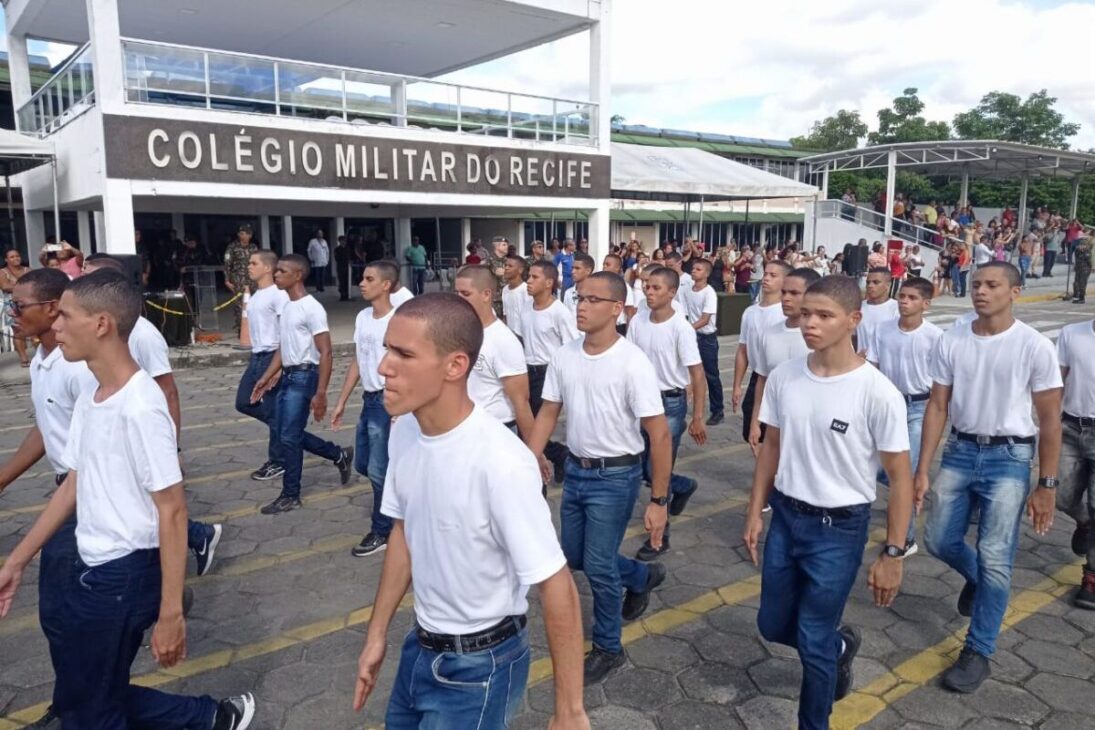
The National Congress analyzes Bill No. 5010/2024, presented by Deputy Maria do Rosário (PT-RS), which proposes to transfer the management of military educational institutions — currently under the direct responsibility of the Armed Forces — to the Ministry of Education (MEC).
The initiative has reignited a sensitive debate regarding military autonomy, the role of civilian authority, and the training model for future officers in Brazil.
What the Bill Proposes
The text provides that the administrative, pedagogical, and financial responsibilities of institutions such as the Academia Militar das Agulhas Negras (AMAN), the Instituto Militar de Engenharia (IME), and the Instituto Tecnológico de Aeronáutica (ITA) will be coordinated by the MEC.
-
When Do Brazil and Japan Face Off in the World Cup?

-
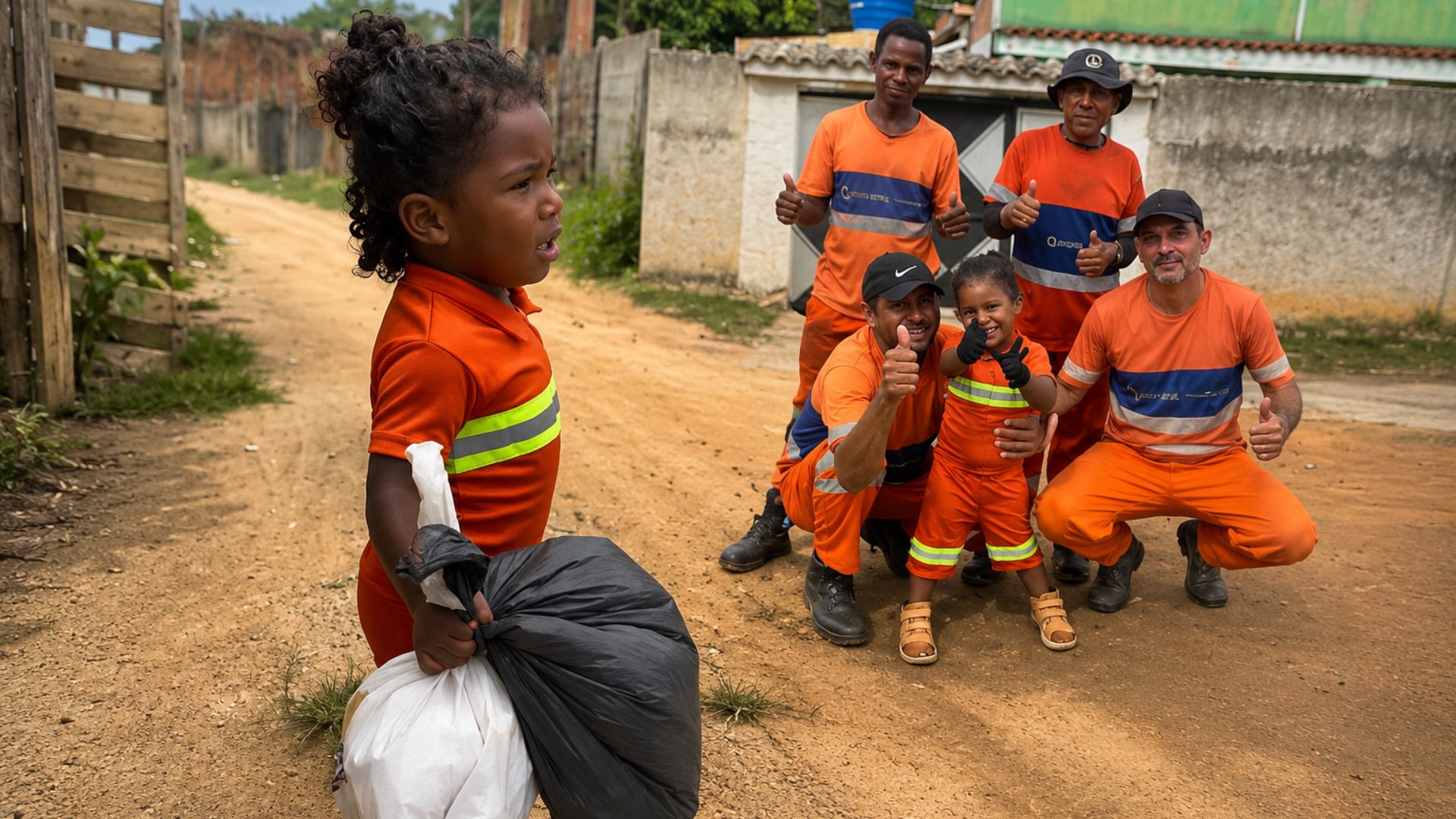
Three-Year-Old Fulfills Dream of Joining Garbage Collectors in Brazil, Captivates Thousands Online with Heartwarming Video

-
Nikon Project Uses Dog’s Heartbeat to Capture Photos, Revealing What Truly Makes Dogs Happy

-
In Los Angeles, Young Adult Opts for Garage Living with Bed, Kitchen, and Bathroom to Avoid Rent, Highlighting Comfort and Organization Challenges in Compact Housing



Nonetheless, the proposal establishes that the professional and humanistic training related to military careers will continue to be regulated in partnership between the ministry and the Armed Forces, under the supervision of the National Education Council.
To facilitate the transition, the bill proposes the creation of a committee with representatives from the MEC, the Ministry of Defense, the military schools themselves, and civil society organizations. This group would have up to 12 months to develop a detailed adaptation plan.
Supporting Arguments
Deputy Maria do Rosário argues that the measure seeks to align military education with national education guidelines, strengthening democratic, republican, and transparency values.
In her view, the training of future officers should also include the development of citizens prepared to act in a plural and democratic environment.
Entities such as the National Union of Federal Basic, Professional and Technological Education Servers (SINASEFE) support the project, arguing that the change could enhance integration between civilians and military personnel, as well as promote a diversity of ideas within the institutions.
Resistance and Criticism
On the other hand, military sectors express reservations regarding the proposal. Active and reserve officers fear that the transfer to the MEC could undermine fundamental values of the Armed Forces, such as hierarchy, discipline, and institutional identity.
The main concern is that curricular or administrative changes could dilute the distinctive characteristics of military training, which is focused on discipline, physical preparation, and strategic training.
Analysts also point out that the MEC, although responsible for national education policy, lacks specific experience in training combatants, strategists, and military engineers, which could create gaps in the execution of activities.
The Progress of the Debate
Currently, the bill is being processed in the Chamber of Deputies and awaits the appointment of a rapporteur in the Committee on Foreign Relations and National Defense.
Subsequently, it will also need to pass through the Education and Constitution and Justice committees before being brought to the plenary.
In the meantime, the discussion remains polarized: on one side, the view that modernization and alignment with national guidelines would strengthen transparency and social control; on the other, the defense of military schools’ autonomy as an essential part of maintaining sovereignty and national security.
The outcome of this legislative clash could significantly redefine the future of military education in Brazil.