Portuguese
  Spanish


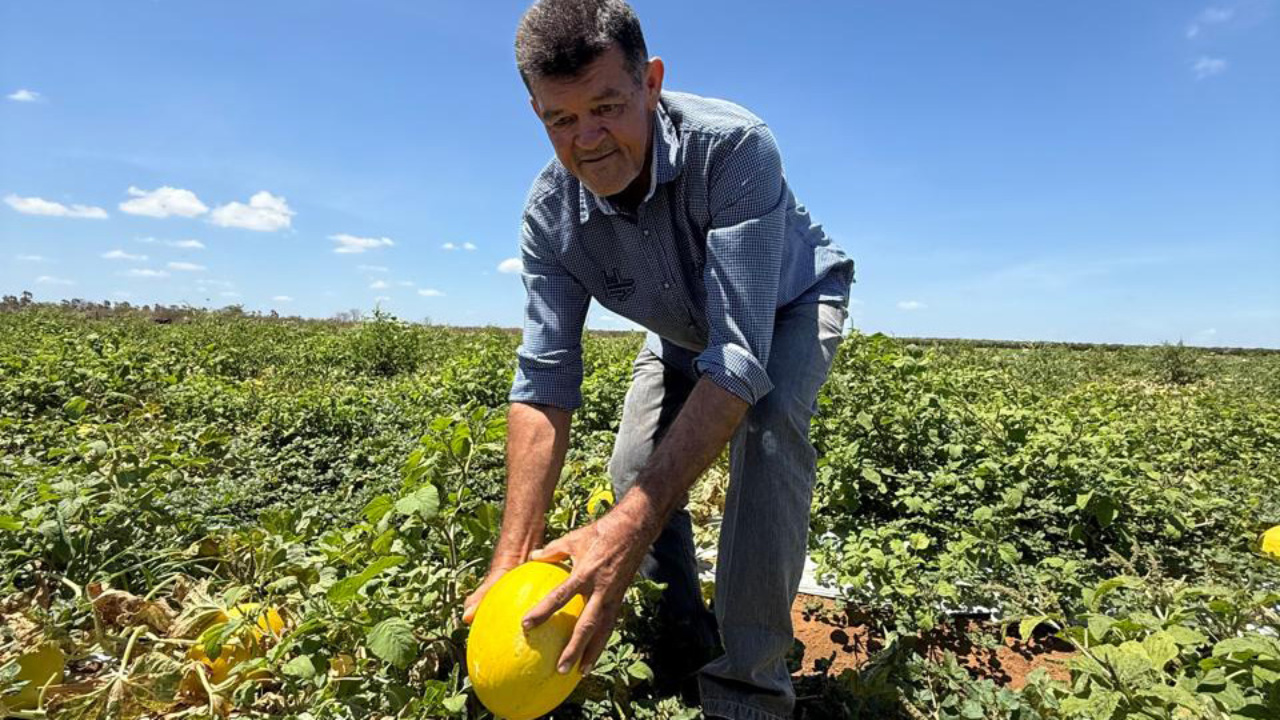

São José Project Invests About R$ 400 Thousand in Solar Power Plant for 12 Families in Aracati, Reducing Agricultural Costs, Strengthening Irrigation, and Enhancing Product Competitiveness in the Market.
The adoption of solar energy in the rural area of Aracati, Ceará, gains new momentum with the advancement of the São José Project. The initiative, led by the Department of Agricultural Development, is in the bidding phase to install a photovoltaic plant that will directly serve farming families from the Cajazeiras community.
The expected investment, of approximately R$ 400 thousand, promises to transform local production, reduce operational expenses, and increase access of regional products to consumer markets.
Strategic Investment in Solar Energy
The new solar power plant emerges as a response to the need to strengthen the local productive base. The system, when completed, will supply 12 families, ensuring stable and low-cost energy. This structure will enable continuous irrigation of fruit trees and other crops, an essential step for expanding arable land.
-
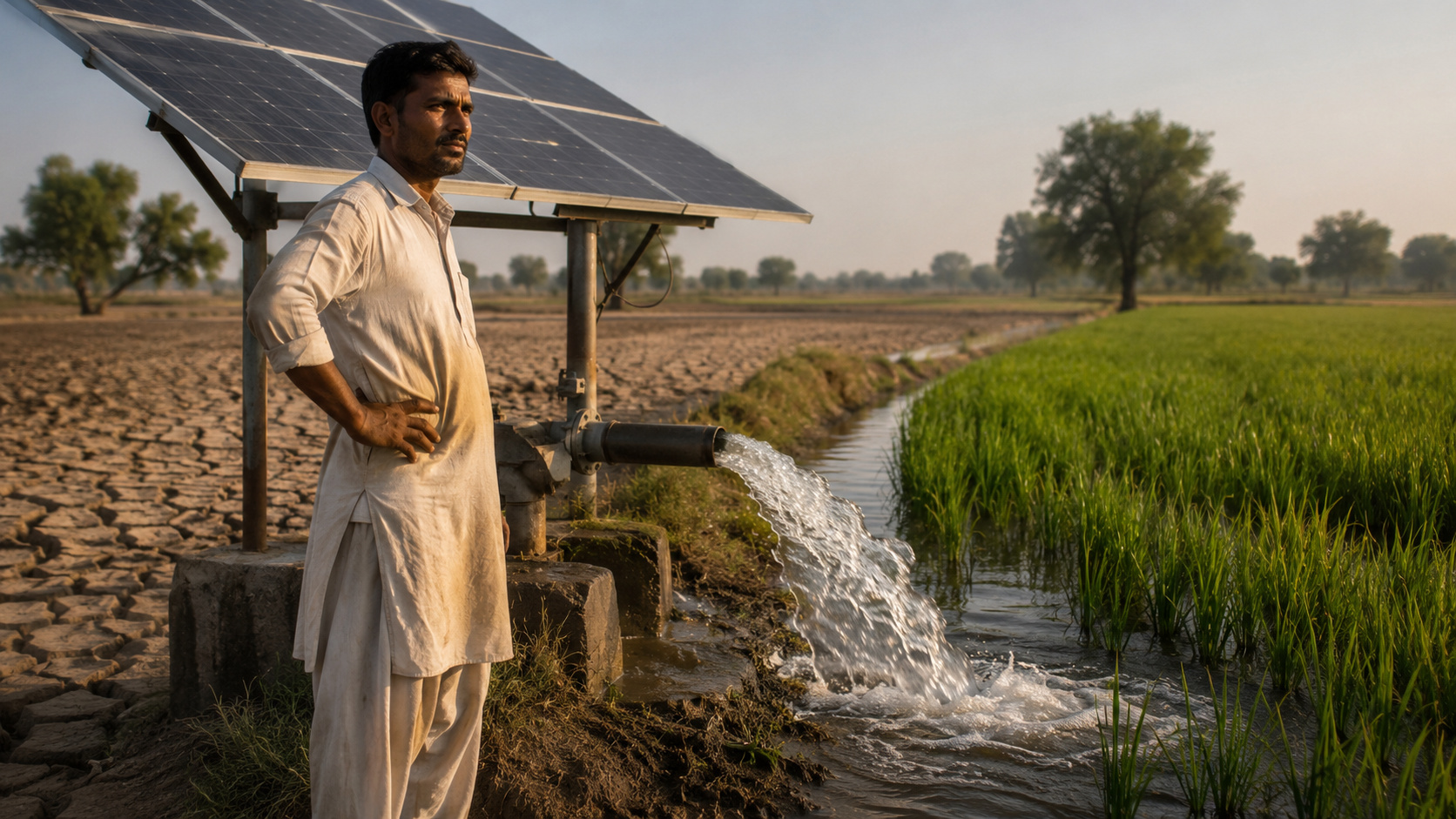
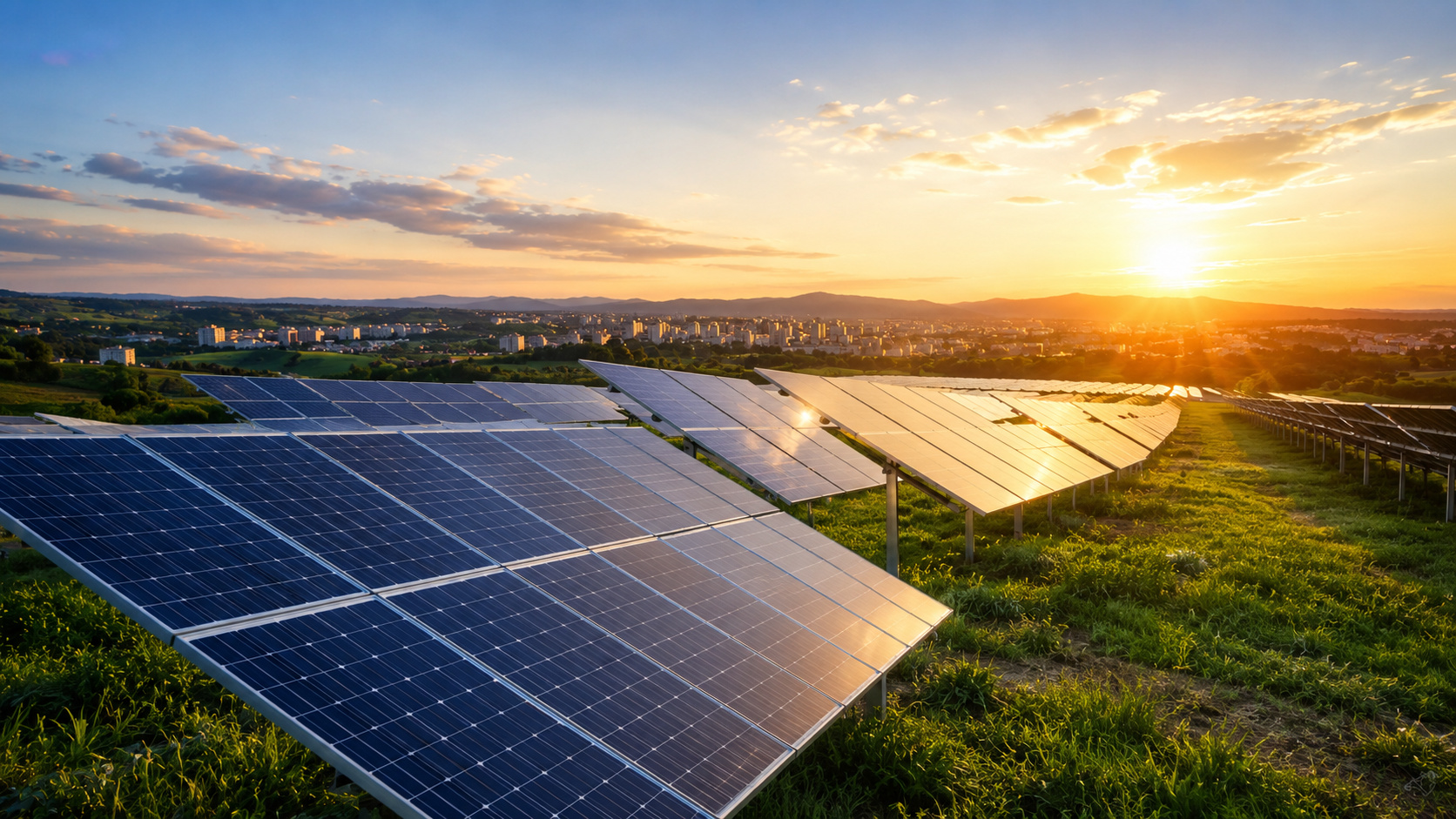
Solar energy reaches 55 GW, becoming the second largest power source in Brazil’s energy mix

-
Solar energy can increase property value by up to 10% and become a selling point.
-
Solar and wind energy surpass natural gas for the first time in the world and accelerate energy revolution

-
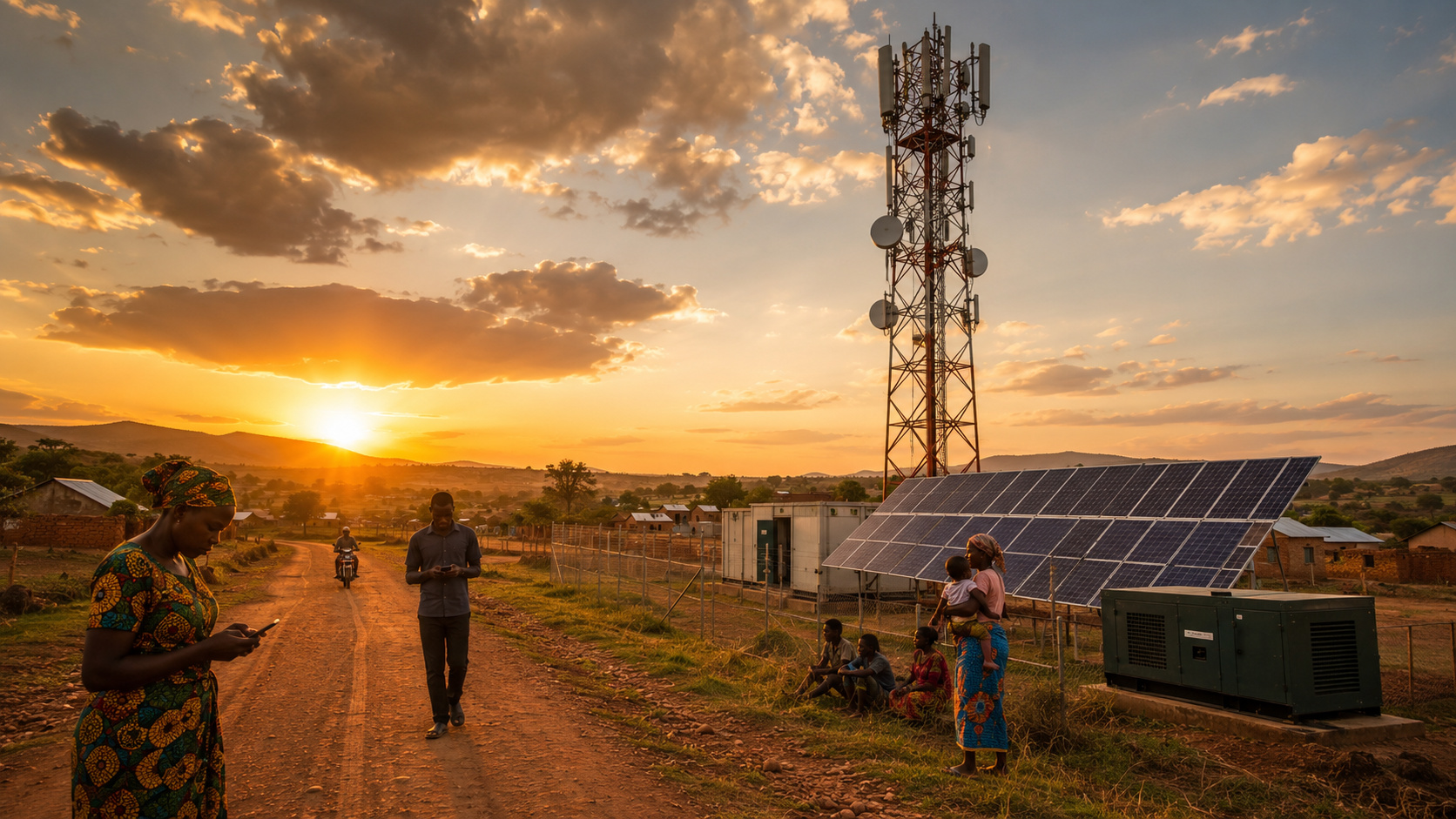
Africa has about 500,000 cell towers and most still burn diesel to operate, while companies rush to cover antennas with solar energy and avoid signal blackouts.


Moreover, the reliable supply of energy reduces the vulnerabilities of rural activities, which previously depended on high and fluctuating tariffs. Thus, production tends to gain a steady rhythm, and farmers can compete under better conditions in the regional market.
Direct Impacts on Families’ Income
According to the benefiting farmers, the São José Project has been decisive in ensuring continuity and security in production. José Anairton Costa Soares emphasizes that “the São José Project was essential in securing the continuity of production, also meaning a core element for the growth of the Cajazeiras community.”
The energy savings will be one of the most relevant aspects of this change. Previously, a significant portion of income was committed to expenses for electricity needed for irrigation. With the photovoltaic system, costs decrease and profits increase, paving the way to expand planting and diversify crops.
Solar Energy as a Tool for Transformation
The technician of the São José Project, Raimundo Félix, closely monitors the development of the initiative and notes that the impact will be immediate. “With solar energy, irrigation becomes much more feasible. Previously, the cost of energy compromised a large part of families’ income. Now, they can produce more securely, expand cultivated areas, and reach the market with more competitive prices,” he explains.
This transformation, therefore, is not limited to irrigation. It creates a chain of benefits that includes environmental gains, reduced dependency on traditional networks, and stimulation of sustainable rural development.
The coordinator of the São José Project, Lafaete Almeida, highlights that the investment represents more than technological modernization. For him, it is a tool that changes realities. “The investment in Cajazeiras has a very special meaning. We will deliver a tool that transforms production and improves people’s lives. When energy ceases to be an obstacle, agriculture flourishes, and families gain new opportunities for income and autonomy,” he states.
The state government emphasizes that it will continue seeking new energy solutions to strengthen rural communities, prioritizing solar energy as an ally in sustainable development policy.