Portuguese
  Spanish


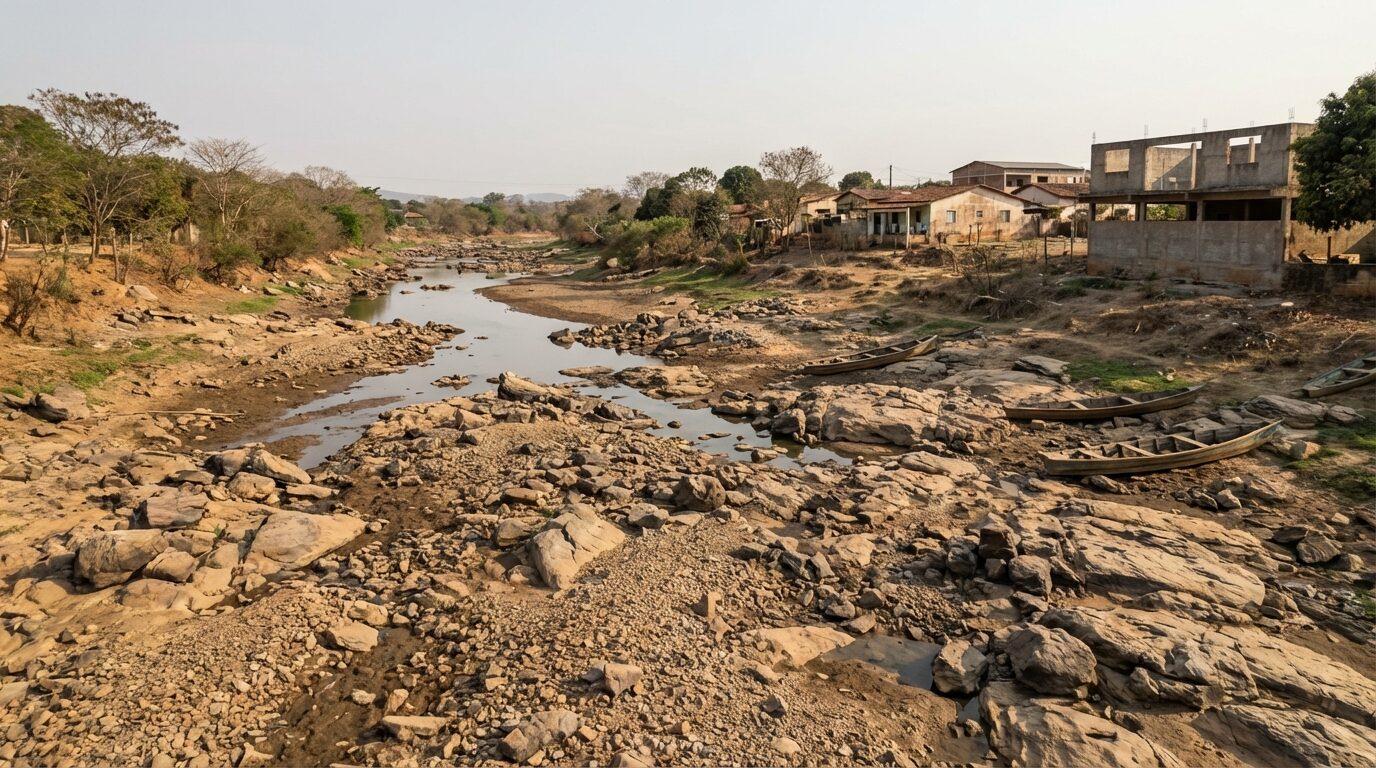

Residents of Aimorés Report That the Doce River Stopped Flowing in Its Historical Bed by the City and Became a Distant Stream. Promises of Development with the Hydroelectric Power Plant Gave Way to Exposed Rocks, Scarce Fishing, and a Sense of Abandonment.
In Aimorés, in eastern Minas Gerais, the Doce River shaped the lives of generations. Canoes, diving, and fishing were part of everyday life, a routine that created riverside identity. Today, residents describe a scene of exposed rocks and a trickle of water far from the wharf.
The turning point, according to testimonies, occurred with the hydroelectric power plant built in the 2000s, when the main course stopped flowing through the urban section. Frustration grows because what was seen in models and promises of a body of water did not materialize in practice.
People also mention the rise of sanitary problems, such as more mosquitoes and diseases, as well as losses to artisanal fishing. And, as a historical aggravation, came the Samarco disaster on November 5, 2015, which contaminated the Doce River from upstream to downstream, according to the Federal Public Ministry and Ibama.
-
From Humble Beginnings to Industry Leader: The 30-Year-Old Scrap Dealer Transforming Brazil’s $1.8 Billion Metal Recycling Sector

-
From Hotel Porter to CEO: Brazilian Entrepreneur Leads Travel Agency Serving Major Brands and Generating $270 Million in Revenue

-
From Selling Cleaning Products in Vans to Over 300 Franchises: Entrepreneur Targets $30 Million by Expanding into Professional Cleaning Services and Laundries

-
China Constructs 5.1 km Undersea Highway in Dalian Bay, Reducing Travel Time from 1 Hour to 5 Minutes




Aimorés Hydroelectric Power Plant and the Diversion of the Doce River, Erased Memory and Transformation of the Urban Bed
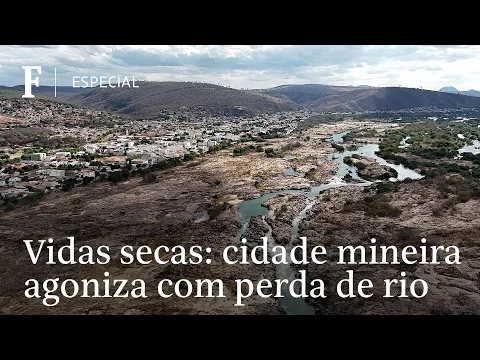

Residents report that the main channel of the river near downtown Aimorés lost flow after the power plant was built, leaving a channel hundreds of meters away from the wharf. Instead of the body of water that hugged the city, there are rockbanks and isolated puddles.
Experts remind us that run-of-river power plants can alter the local regime, requiring engineering, operation, and maintenance projects that ensure minimum water circulation in the urban section. The promise of a permanent body of water has become a symbol of public demand.
Ecological Flow, Licensing, and Supervision, What Should Ensure Flowing Water and Cleaning of the Bed
The ecological flow is the minimum volume required to maintain ecological processes and multiple uses of water. According to the National Water Agency (ANA), this flow must be defined in studies and complied with in the operation of enterprises.
In environmental licensing, agencies such as IBAMA and state secretariats assess impacts and conditions. When the grant establishes minimum discharges, the plant must comply with these parameters, including during periods of drought, except in formally recognized critical situations.
Residents claim that trash accumulates in the old bed and that there are no discharges to “wash” the river, which contradicts what was announced in the licensing, according to them. Without continuous public auditing, it is difficult to verify compliance with the conditions.
What Official Agencies Say
According to ANEEL and Cemig in public reference documents, power plants have operational rules and monitoring. ANA defines guidelines for grants and reference flow. This is the framework that should be checked on a case-by-case basis.
Without access to the updated operational plan, the report records community testimony and reinforces the need for transparency in flow data and periodic on-site inspections, with social participation and disclosure in accessible language.
Social and Cultural Impacts in Aimorés, Fishing, Public Health, and the Sense of Abandonment
With less water by the city, artisanal fishing has shrunk, affecting the income of families with a century-old tradition. Residents mention elderly fishermen, heirs to a culture passed down from parents to children, now without a navigable river in the urban section.
Without water circulation, puddles arise that can favor vector mosquitoes, raising concerns about local health. According to the Ministry of Health, environments with standing water increase the risk of dengue and chikungunya, requiring integrated sanitation and control action.
Samarco and the Collapse of the Doce River in 2015, Double Blow to Those Who Live off the Water
On November 5, 2015, the rupture of the Fundão dam, from Samarco, released tailings that flowed down to the mouth of the Doce River, in Linhares. According to MPF and Ibama, it was one of the worst environmental disasters in the country, with damage to water, biota, and riverside livelihoods.
In Aimorés, reports indicate that when the community was beginning to adapt to the new reality after the plant, the sludge arrived and deepened the losses. The Renova Foundation, created by those responsible to repair damages, maintains indemnification and restoration programs, but residents say that the recovery is slow.
Environmental authorities emphasize that the recovery of the Doce River requires a long-term perspective, with ecotoxicological monitoring, habitat restoration, and the reactivation of fishing safely. Concerns about the quality of local fish still haunt part of the population.
Beyond the numbers, the psychological and cultural impact is evident in the riverside discourse. “Water is life” has become a refrain for those who grew up seeing the river flow at their doorstep and today see only a distant trace of water.
With no concrete results in sight, the demand for a robust governance framework, with public goals, deadlines, and independent evaluations of repair and water management programs, is growing.
Possible Paths, Recover the Channel, Fulfill Agreements, and Restore Life to the Doce River
Experts suggest reviewing the water use grant and the conditions, defining ecological flow that reinstates water circulation in the urban section of Aimorés. ANA, environmental agencies, and the entrepreneur must agree on feasible goals, with a schedule and continuous disclosure.
It is crucial to ensure real-time monitoring of flows, water quality, and fish fauna, with independent audits and societal involvement. The restoration of riparian forests, sediment management, and urban sanitation actions complete the package.
Finally, transparency and dialogue are essential. Fulfilling what was promised, correcting paths, and putting the water back in the historical channel can restore dignity, culture, and economy to Aimorés, connecting memory and future.
And you, what do you think about ecological flow and the promises made to the community? Should water flow back next to the wharf in Aimorés, as residents advocate, or does the current operation already meet the licensing? Leave your comment and help expand the debate, demanding transparency and solutions that truly restore life to the Doce River.