Portuguese
  Spanish


Change Proposed By The Ministry Of Mines And Energy Could End CDE Discounts And Make Solar Electricity Bills Up To 30% More Expensive
A proposal under study by the Ministry of Mines and Energy (MME) may provoke significant changes in the tariff structure of the Brazilian electricity sector and directly affect those who invested in solar energy to save on their electricity bills. According to information published by the newspaper O Globo, the government intends to reformulate the subsidies that benefit consumers of renewable sources such as solar and wind energy, with the aim of expanding the reach of the Social Electric Energy Tariff for low-income families.
The text was officially presented last Tuesday (04/15) and is expected to be forwarded to the National Congress. The proposal has raised concern among residential and business consumers who have adopted self-generation systems, such as photovoltaic solar panels, and who currently benefit from significant discounts enabled by the Energy Development Account (CDE).
Electricity Bills With Solar Energy May Rise, Says MME
Although solar energy has been one of the main ways adopted by Brazilians in recent years to reduce electricity costs, the government proposal foresees gradual reductions of subsidies that are passed on to consumers in this segment. The incentives, currently funded by the CDE, reach R$ 10 billion per year, according to calculations from the ministry itself.
-
Solar energy can increase property value by up to 10% and become a selling point.

-
Solar and wind energy surpass natural gas for the first time in the world and accelerate energy revolution

-
Africa has about 500,000 cell towers and most still burn diesel to operate, while companies rush to cover antennas with solar energy and avoid signal blackouts.
-
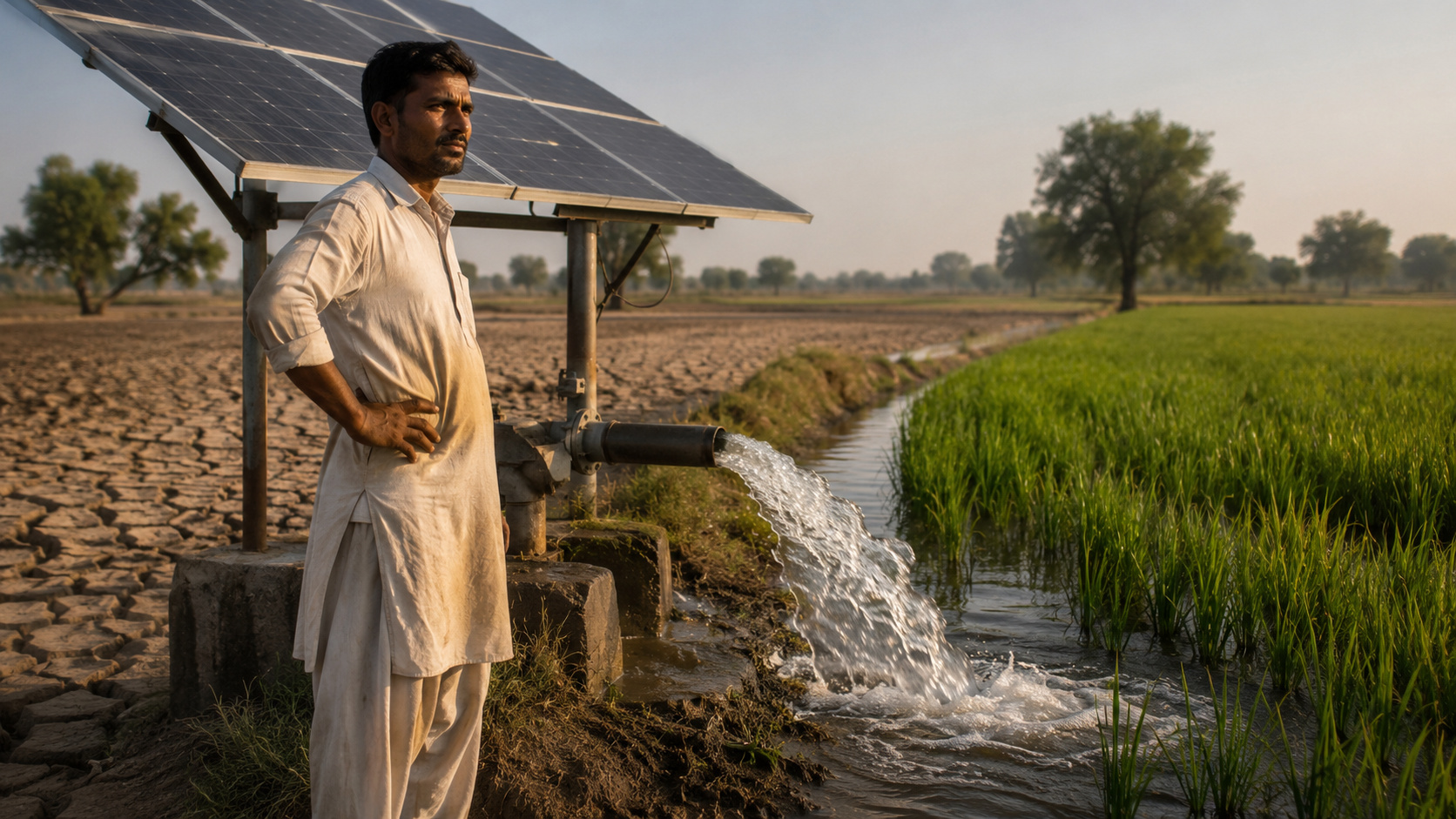
Farmers swapped diesel for solar panels in Pakistan, powered irrigation pumps almost cost-free, expanded rice fields, and now groundwater has become a red alert in the countryside.


The plan provides for these resources to be redirected to finance the expansion of the Social Electric Energy Tariff, a program that subsidizes the electricity bills of low-income families. The intention is for up to 60 million Brazilians to be served by this policy.
As a result, electricity bills with solar energy could become more expensive, albeit gradually, as supply contracts expire. The proposal does not foresee an immediate end to the discounts, but rather a gradual withdrawal of these benefits. For consumers in general, the direct impact would be a rate adjustment of up to 1.43%.
Impact On Investments In Solar Energy
The scenario has caused concern in the renewable energy sector. Experts point out that the measure may discourage new investments in residential and commercial solar energy, especially among consumers who viewed the distributed generation model as an alternative to circumvent tariff increases and ensure predictability in electricity spending.
According to data from the National Electric Energy Agency (ANEEL), the number of consumers with self-generation systems surpassed 2 million in Brazil in 2023. The growth in the adoption of solar panels has been driven, in part, by tax incentives and current rules that offer energy compensation and exemptions on network charges.
With the gradual removal of subsidies, the returns on investment in solar energy may take longer to pay off, which tends to slow the pace of adoption by new consumers.
Ministry Defends Redistribution Of Subsidies
The Ministry of Mines and Energy defends the proposal as part of a broader reform of the electricity sector, focusing on making the distribution of benefits fairer. According to Minister Alexandre Silveira, the current discounts mainly benefit consumers with greater purchasing power, to the detriment of the more vulnerable who rely on assistance to pay their electricity bills.
“What is at stake is the balance between social justice and the sustainability of the sector. Today, all Brazilians pay for the subsidies to solar and wind energy. Our proposal is to rebalance this, maintaining incentives for a transition period, but ensuring greater access to the social tariff,” said the minister.
Silveira also highlighted that there is consensus within the federal government about the need for the measure, and that the proposal will be debated with the productive sector, associations, and representatives of Congress before its implementation.
What Is The Energy Development Account (CDE)?
The CDE is a sectoral fund created with the goal of promoting universal access to electricity and financing public policies in the sector, such as the social tariff, renewable energy generation, and research and development projects. Currently, the CDE is funded by contributions from all energy consumers, which means that part of the electricity bill paid monthly is used to maintain these subsidies.
In recent years, the weight of the incentives granted to solar and wind generation has grown significantly. The MME’s proposal seeks to reorganize these resources, channeling them to more vulnerable groups and ensuring that the cost does not disproportionately fall on those who cannot benefit from distributed generation.
Market Reactions And Next Steps
Entities linked to the solar energy sector have already expressed opposition to the measure. The Brazilian Association of Photovoltaic Solar Energy (ABSOLAR) declared that the removal of subsidies could represent a setback in the country’s energy transition policy. According to the entity, the growth of solar energy in Brazil has created jobs, attracted investments, and reduced pressure on the national electric system.
The topic is expected to be the subject of intense debates in the National Congress, where benches linked to agribusiness, the industrial sector, and middle-class representatives tend to push for the preservation of incentives for solar energy, especially in regions with high solar radiation and intensive electricity usage.
On the other hand, social movements and parliamentarians linked to the social area are expected to support the proposal, which expands the reach of the Social Tariff, ensuring more substantial discounts for families in vulnerable situations.