






 Portuguese
  Spanish


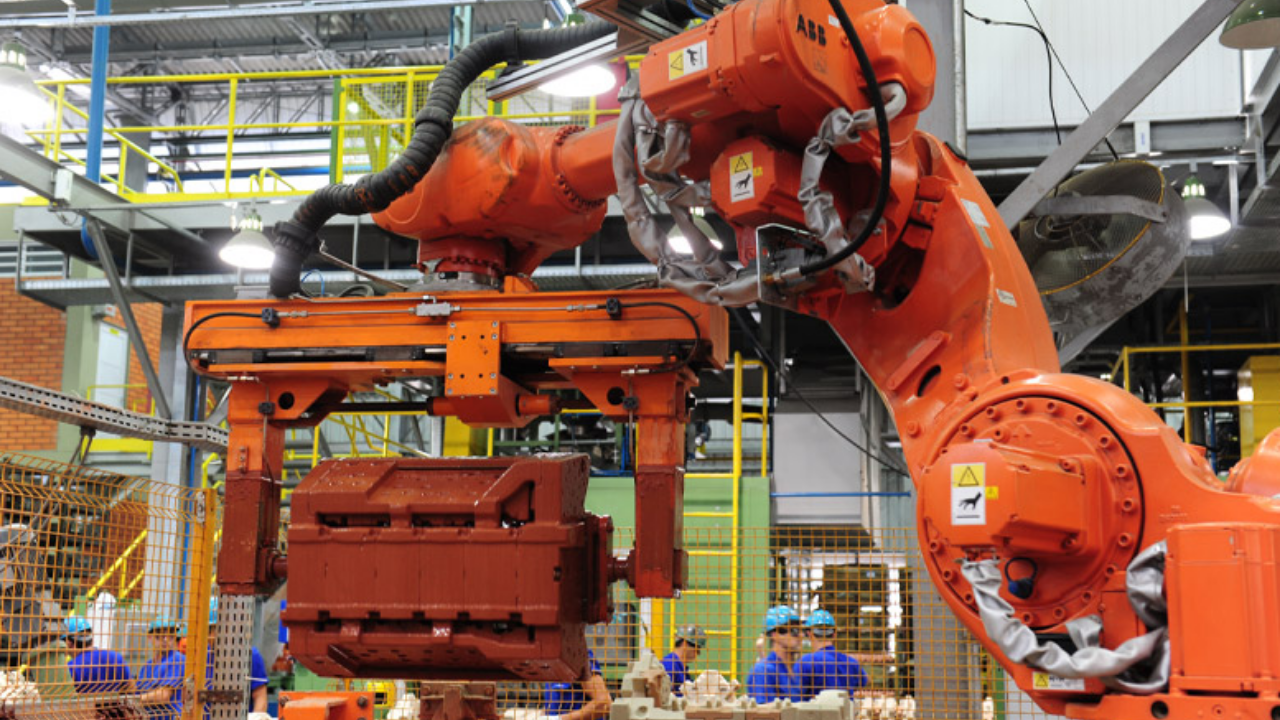

A New Concept of Cast Iron Engine Block Under Development for Use in Hybrid Vehicles by Tupy, in Partnership with Ricardo-PLC, a Global Reference in Engineering, Will Be Presented at International Congresses in 2022
Tupy, a Brazilian multinational in the metallurgy sector, recently applied for a patent for a new concept of a cast iron engine block, aimed at hybrid vehicles. This is an alternative for use in hybrid vehicles, achieving a weight approximately 5% lower than components made of aluminum.
The project was developed by the company in partnership with Ricardo-PLC, a global reference in engineering and environmental consulting. Ricardo-PLC is also specialized in the sectors of transportation, energy, and scarce resources, providing an alternative for application in hybrid vehicles.
The replacement of combustion engine cars with hybrid and fully electric vehicles has gained prominence due to the need to reduce pollutant emissions worldwide. This movement in the automotive industry has been driving the demand for non-ferrous metals and alternative technological solutions that enable application in hybrid vehicles.
-
Iconic Orange Double-Decker Bus, a Dutch Fan Favorite for Over 20 Years, Arrives in Texas for the World Cup After Touring Brazil, England, Qatar, and More

-
Egypt Partners with China to Build 2 GW Wind Turbine Factory and 2,000 MW Wind Farm in Gulf of Suez, Aiming to Export Across Africa

-
$100 Million Hypercar Collection, Including Ferrari LaFerrari and McLaren Speedtail, Found Abandoned at Los Angeles Airport
-
Hyundai ix35 2019: A Forgotten SUV with 2.0 Engine and 650 km Range Costs Less Than a New Kwid in Brazil



Read Also
The solution developed in the new concept of cast iron engine block leverages Tupy’s knowledge and experience in the development of metal alloys for hybrid vehicles. Today, with Compacted Graphite Iron (CGI), we can say that the blocks using it have the same robustness and strength as iron; however, they are lighter, similar to aluminum blocks.
According to the director of Tupy Tech, the disruptive R&D front of the Company, Mr. André Ferrarese, “In this project, we advanced and managed to offer a weight about 5% lower than aluminum components, which is quite challenging, considering that the density of iron is almost three times greater than that of aluminum. In the validation of the proof of concept, in addition to adequate structural strength, we observed additional benefits such as noise reduction.”
The project details will be presented at international congresses starting in 2022. Industrial property is one of the types of intellectual property focused on the registration and granting of Trademarks, Patents, Industrial Design, Technology Transfer, Geographical Indication, Computer Program, and Integrated Circuit Topography.
Inventions with industrial purposes are protected by industrial property. The responsible authority for the registration of any types of intellectual property is the National Institute of Industrial Property (INPI).
Learn More About Tupy Tech
Tupy Tech is a Brazilian multinational that develops and produces structurally complex cast iron components. These engineering solutions are applied in the transportation, infrastructure, agribusiness, and energy generation sectors, contributing to the quality of life for thousands of people.
Essential for society, Tupy’s products are part of everyone’s daily life. The technological innovation involved in the production and creation of these pieces is the company’s specialty, which, in its more than 80 years of history, has promoted access to health, basic sanitation, potable water, food production and distribution, and global trade for many regions in Brazil and worldwide.
Its production is concentrated in Brazilian factories in Betim/MG, Joinville/SC, and Mauá/SP. Abroad, its production focuses on the cities of Aveiro, Portugal, and Saltillo and Ramos Arizpe, Mexico. Additionally, it has commercial offices in Germany, Brazil, the USA, and Italy.


