






 Portuguese
  Spanish


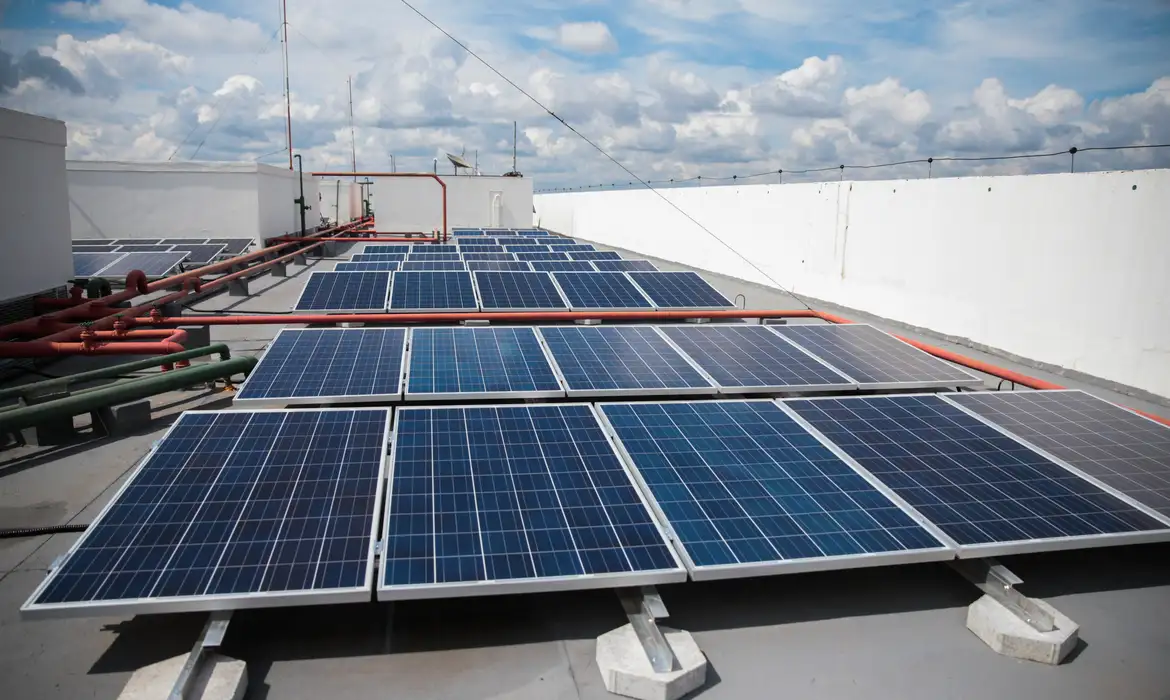


In Addition to the Advantages, Solar Panels Have Limitations Such as Dependence on Weather, Installation Cost, and Maintenance Over Time, Little-Known Aspects at the Time of Sale
Solar energy has been pointed out as a promising solution to reduce costs and dependence on fossil fuels worldwide. The idea of generating electricity directly from the sun seems appealing. However, the installation of solar panels still faces challenges.
Among the main obstacles are the high initial cost, variation in energy production, equipment durability, and environmental impact. While there are solutions to minimize these difficulties, it is important to be aware of them before investing.
High Installation Cost of Solar Panels
Installing a photovoltaic system requires a significant initial investment, which can range from R$ 15 thousand to R$ 50 thousand, depending on power, equipment quality, and installation complexity. This cost can be a barrier for many families, but there are ways to make the project more affordable.
-
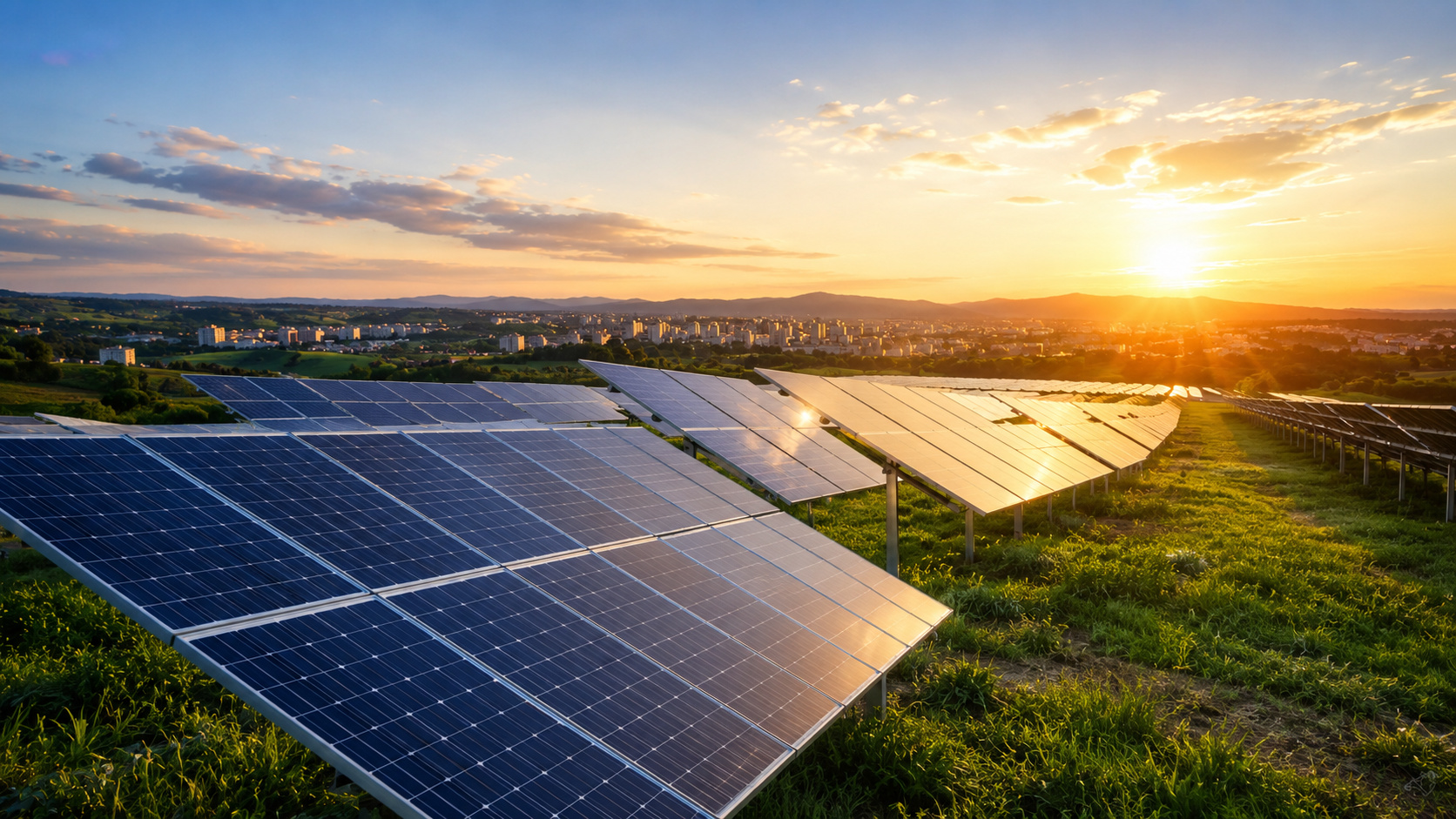
Solar energy reaches 55 GW, becoming the second largest power source in Brazil’s energy mix

-
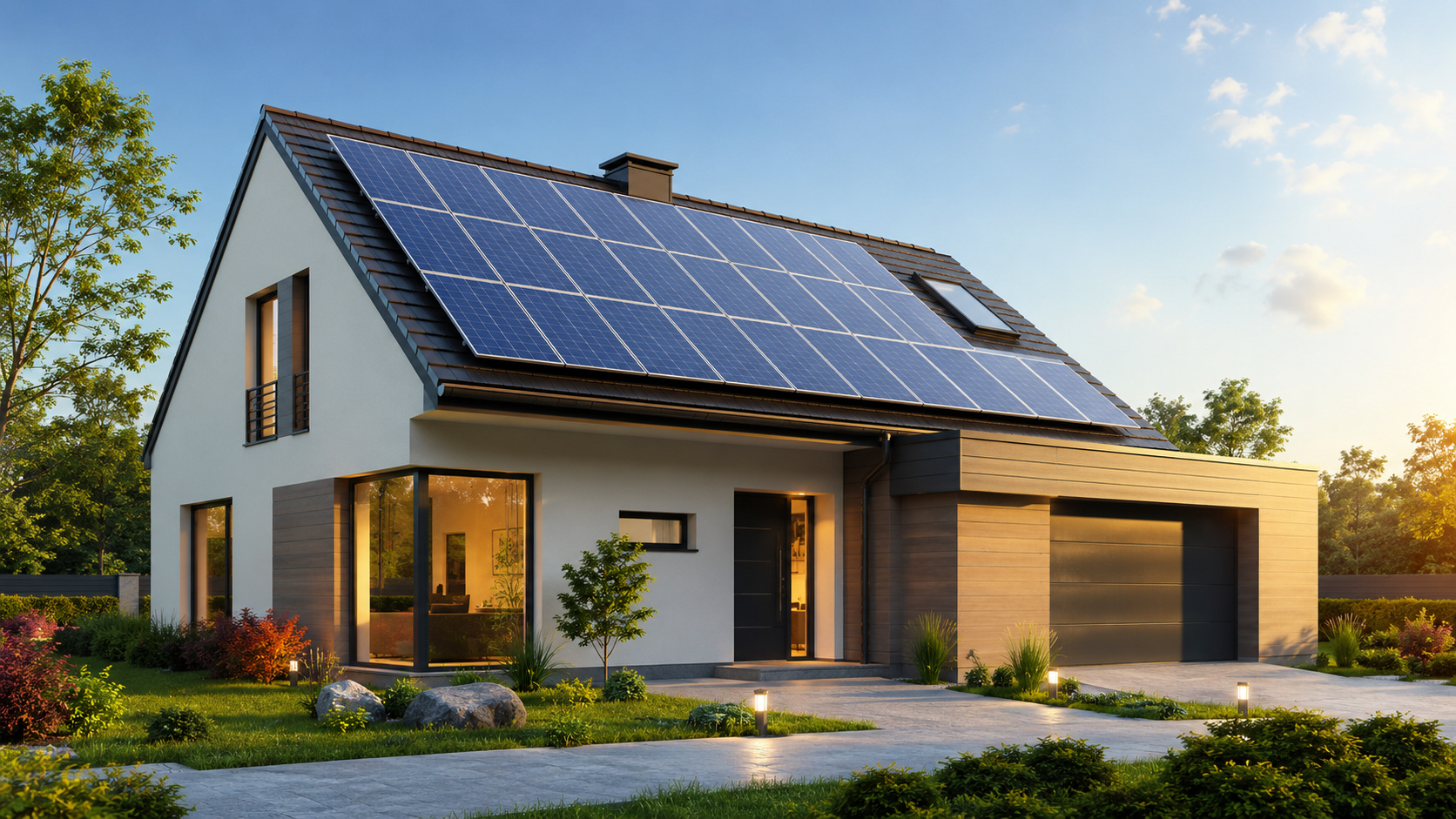
Solar energy can increase property value by up to 10% and become a selling point.
-
Solar and wind energy surpass natural gas for the first time in the world and accelerate energy revolution

-
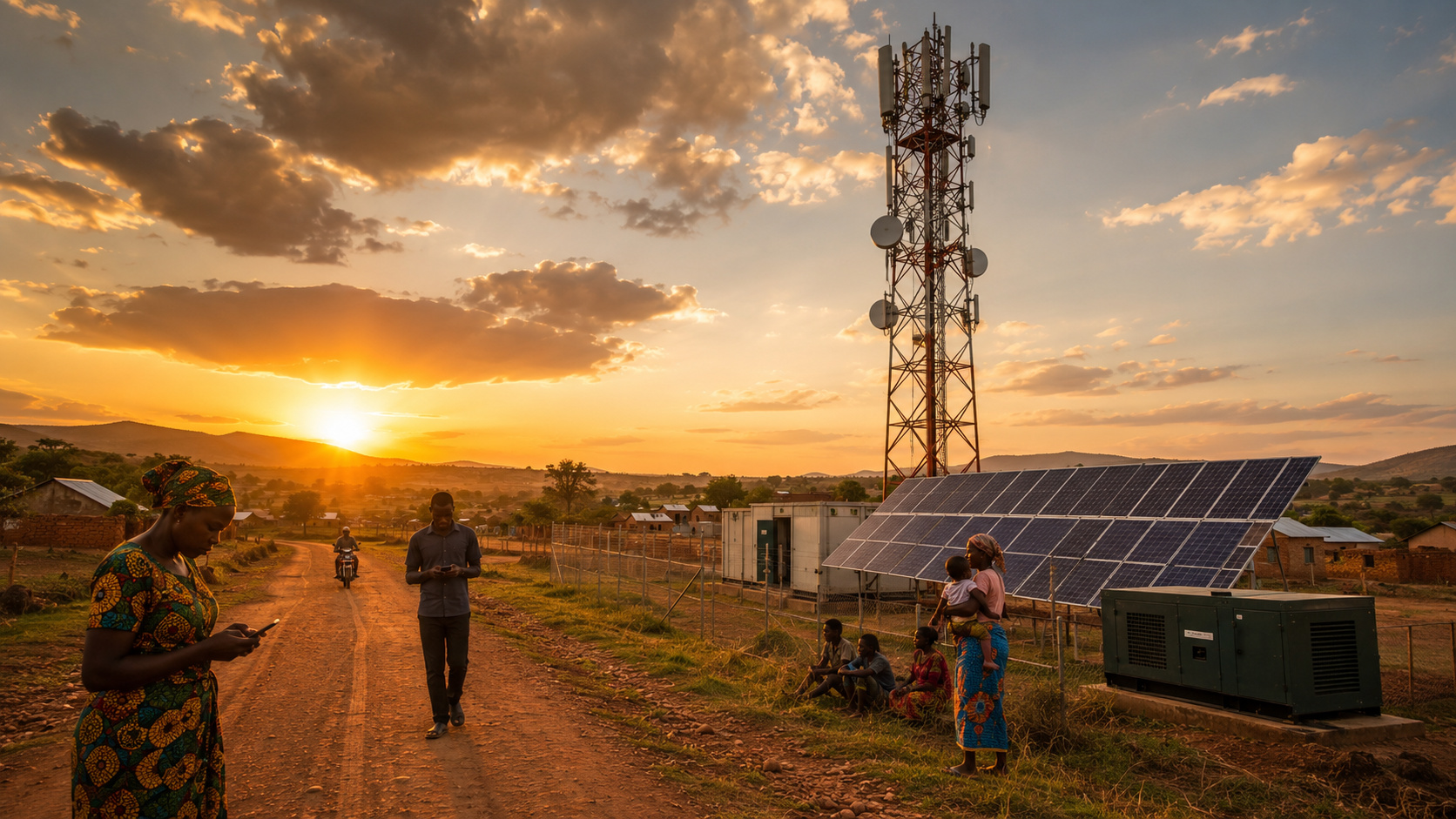
Africa has about 500,000 cell towers and most still burn diesel to operate, while companies rush to cover antennas with solar energy and avoid signal blackouts.

There are financial incentives that help reduce expenses, such as exemption from ICMS and PIS/COFINS on compensated energy, in addition to financing options with reduced interest rates offered by banks and credit unions.
Dependence on Weather
Solar panels need sunlight to generate electricity. On cloudy days, rainy days, or in winter, production can drop significantly. At night, energy generation is null. This factor represents a limitation, but there are alternatives to overcome the problem.
The use of solar batteries allows storing energy for later use. However, these batteries still have a high cost. Another solution is to sell excess electricity back to the grid, provided that the installation is properly regulated.
Lifespan and Maintenance
Solar panels have a limited lifespan. On average, they last between 25 and 30 years, which can be a concern for those looking to make a long-term investment. Despite this, technology has evolved, and some newer models promise efficiency for up to 50 years.
Maintenance of the equipment is simple and consists of periodic cleanings to ensure optimal performance. Additionally, installing a photovoltaic system can increase a property’s value in the real estate market.
Environmental Impact
Although solar energy is considered clean, the manufacturing of panels generates environmental impacts. The process of material extraction, production, and transportation involves carbon emissions. Still, the impact tends to be offset over time by the sustainable use of energy.
Currently, about 94% of the components of the panels can be recycled, reducing the waste generated at the end of their lifespan.
Technology in Evolution
Despite the specifications, solar panels remain a viable alternative for those seeking savings and sustainability. Continuous technological evolution may bring advances in the coming years.
Researchers are already working on new solutions to increase efficiency and enable electricity generation even during nighttime.
Challenges exist, but solar energy remains a promising option for the future of the energy matrix.
With information from Neo Zone.





Que escreveu essa matéria não sabe o que escreveu está totalmente equivocado!
Quanto ao clima/tempo, o sistema é calculado por média anual, ficando o excedente da produção armazenada, para ser usado nesses períodos de chuva.
Quando ao alto custo inicial, o financiamento fica mais barato do que a propria conta de luz, e os juros bancários mais baratos que a inflação energética anual.
O sistema se paga quase antes de se quitar o financiamento. VALE A PENA SIM!!!
Manutenção simples, garantia de 20 anos significa que vc tem garantido no mínimo 15 anos de retorno livre.
Reportagem só besteira… Tendenciosa… Nada de utilidade pública.