Portuguese
  Spanish


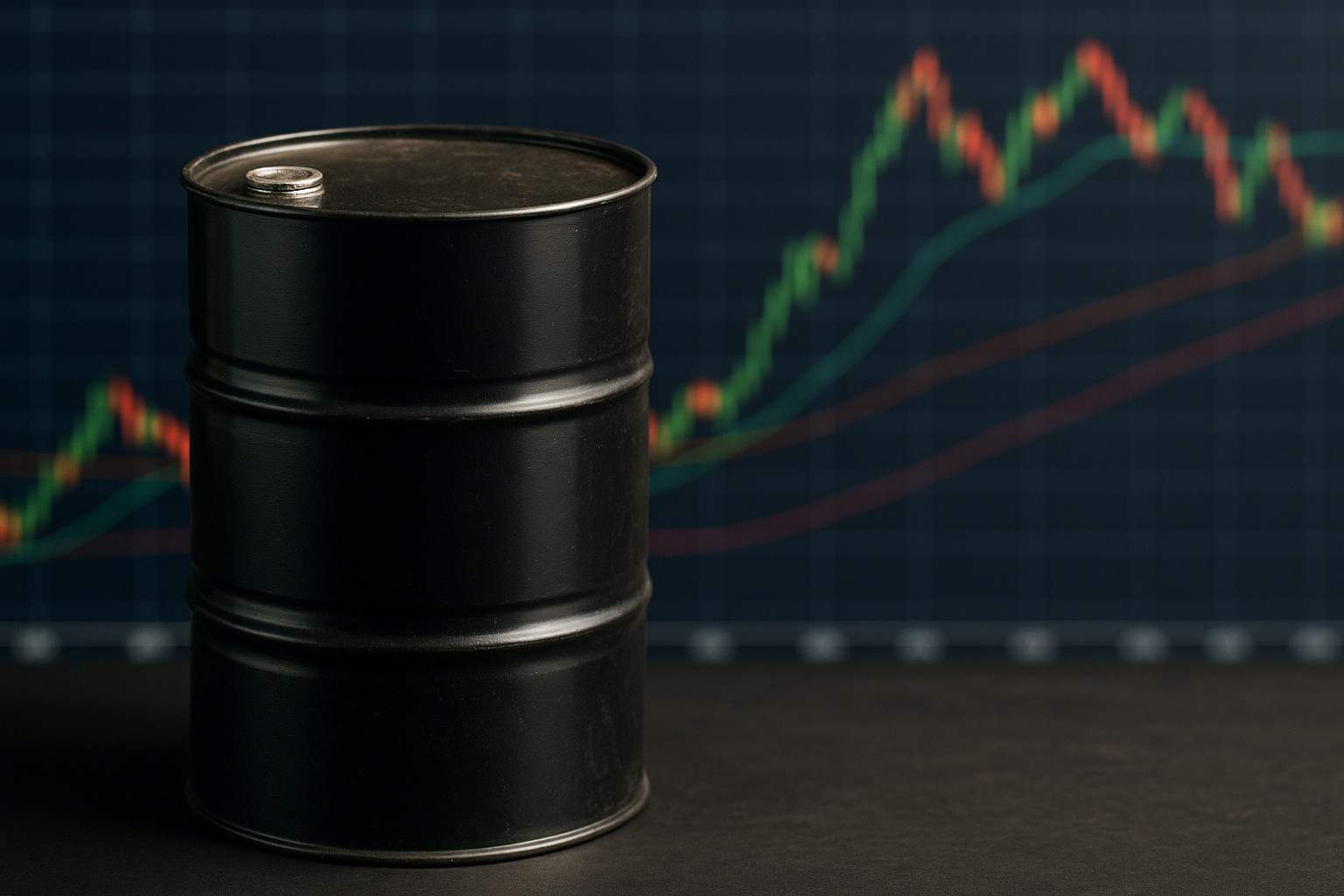


The Barrel Of Oil Is The Basis Of Global Trade And Its Variations Affect Economies And Industries Around The World
The oil, popularly known as “black gold”, continues to be one of the pillars of the global economy. Even in 2025, it maintains a strategic role in the global energy matrix.
The resource serves as the main source of energy and essential raw material in various sectors. From the chemical industry to fuel generation, its influence remains decisive.
The Barrel Standard and Its Importance in Global Trade
Found in abundance underground in various regions of the planet, oil is traded internationally in standardized barrels of 159 liters.
-
Qantas and Airbus Invest in Company Aiming to Convert Unsorted Household Trash into Jet Fuel

-
Brazil’s ANP Opens 86 New Oil Blocks in the Equatorial Margin, Expanding the Amazon River Mouth Frontier

-
OPEC+ Boosts Oil Supply by 188,000 Barrels per Day in July 2026, Leading to Price Drop from $112 to $89 per Barrel in Under Two Months

-
TotalEnergies Signs 20-Year Deal to Purchase 2 Million Tons of LNG from Alaska, Boosting Project Viability
This standardization facilitates logistics and global trade, ensuring more accurate and predictable transactions.
Moreover, this format allows for price comparisons between different types of oil, such as Brent and WTI, widely used as benchmarks in international markets.
According to 2025 data from the International Energy Agency (IEA), this standardization simplifies cost calculations and intercontinental transportation.
Even with the established standard, barrel prices experience daily variations, influenced by political, economic, and environmental conditions.
Thus, the value of a barrel can directly impact energy and industrial production costs worldwide.
Volatility and Factors Influencing Oil Prices
The oil market is historically volatile and sensitive to geopolitical fluctuations.
Changes in global supply and demand, decisions by OPEC+, and extreme weather events strongly influence prices.
For example, the war in the Middle East and instability in Venezuela, observed in 2024, pressured the price of Brent barrel.
This raised costs and affected supply chains in various regions.
Additionally, natural disasters and economic sanctions can also reduce production and elevate international prices.
Consequently, economies dependent on oil exports or imports face significant impacts on their budgets.
These impacts are reflected in transportation costs, inflation, and energy consumption.
According to the World Bank, the average price of the barrel fluctuated between US$ 70 and US$ 90 in 2025.
This behavior reinforces the unpredictable nature of this market and its constant variations.
The Role of Oil in the Global Economy
Despite the expansion of renewable energies, oil still occupies a central position.
It is indispensable for sectors such as transport, aviation, petrochemicals, and plastic production.
Even with advances in solar, wind, and green hydrogen energy, oil remains irreplaceable in many industrial applications.
Its versatility and availability ensure that it continues to be relevant in the coming decades.
According to the 2025 OPEC report, global daily consumption exceeds 100 million barrels.
This number shows the difficulties of completely replacing oil in the short term.
Moreover, the global energy transition has created new technological opportunities.
Companies have invested in operational efficiency and carbon capture, seeking to reduce environmental impacts.
These initiatives aim to balance economic development and environmental preservation.
Economic Impact and Energy Transition
The fluctuations in oil prices directly affect emerging economies and energy consumers.
When prices rise, there is a spike in transportation and production costs.
This can increase inflation and reduce the population’s purchasing power.
However, the quest for sustainability and new energy sources is transforming the oil industry.
Global companies diversify investments in biofuels and clean energy.
At the same time, they focus on innovation to optimize exploration.
Still, oil remains the foundation of the modern economy.
It is an essential component in global production chains.
Perspectives for the Future of “Black Gold”
In summary, oil remains an indispensable element in the global economy.
Even in the face of pressures for emission reductions and increased sustainability, it maintains a strategic role.
With the standardized barrel of 159 liters, oil continues to define prices, policies, and global strategies.
Understanding its fluctuations, applications, and technological challenges is essential to anticipate trends.
Grasping this scenario also helps to decipher the future of global energy.