






 Portuguese
  Spanish
 3 min of reading
  0 comments


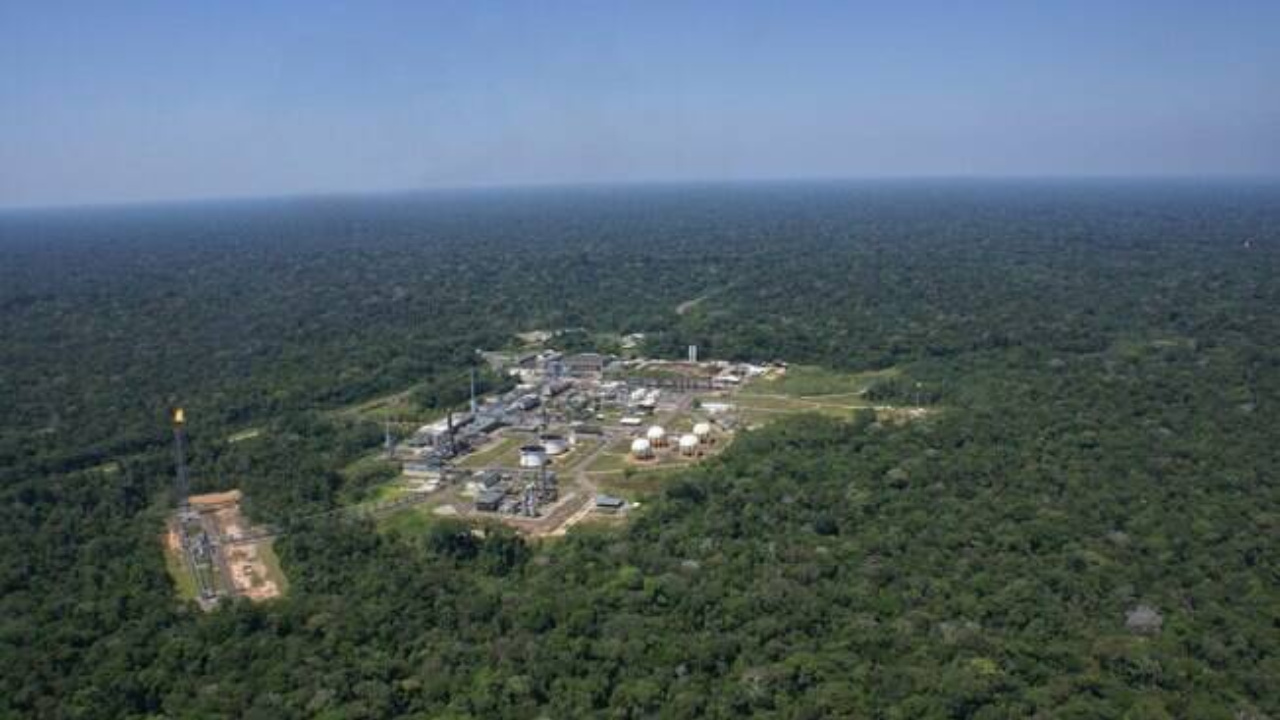
The Largest Oil And Gas Reserve In The Amazon Completes 39 Years Of Production And Continues To Supply Cities In The North And Northeast, Increasing The Use Of Natural Gas And Reducing Environmental Impacts.
The production of oil in the interior of the Amazon continues to play a strategic role for the energy supply of the country. The Urucu base, located in Coari, has become one of Petrobras’ most important assets in the North region. Even after almost four decades of operation, the area continues to expand its impact, ensuring the supply of natural gas, LPG, and high-value derivatives for several municipalities.
Meanwhile, the modernization of structures and the growing adoption of natural gas instead of diesel reinforces the relevance of the reserve for a more sustainable energy matrix.
Urucu Region Maintains Prominent Position With High-Quality Oil
The discovery of the oil and gas reserve in the Coari area occurred in 1986. Just two years later, in 1988, Petrobras began exploring the field, which quickly became a reference for light oil production — a type valued for its low presence of heavy metals and its ability to produce high-quality fuels, such as aviation kerosene and better quality diesel oil.
-
Oil production grows in Rio, but reserve replacement raises a warning sign

-
Petrobras is expected to complete the drilling of the Morpho well in the Foz do Amazonas in August 2026, the first well in the Equatorial Margin, an oil frontier that the ANP estimates at more than 30 billion barrels and could redraw the map of Brazil.

-
Oil returns to the center of concerns with tension between the US and Iran

-
IEA reduces forecast for global oil demand in 2026 after impacts of the Middle East crisis


Today, of the 100 wells drilled, 75 remain active. They operate daily and account for the continuous production that reaches the major cities of the North region. The state technicians emphasize that local oil maintains high standards and continues to contribute to industrial and domestic supply.
Efficient Logistics Ensures The Transport Of Oil And Gas To The Capitals Of The Region
The oil and gas reserve in the Amazon occupies about 332 million square meters. From this area, energy transportation is carried out through a complex logistical structure that begins in the heart of the forest.
LPG (liquefied petroleum gas) travels through a 285 km pipeline to Coari. From there, vessels take the product directly to Manaus, supplying families and industries. Natural gas flows approximately 700 km through pipelines, crossing the Solimões and Negro rivers. The route passes through important municipalities such as:
- Codajás
- Anori
- Anamã
- Caapiranga
- Manacapuru
- Iranduba
This continuous transport ensures that the North region receives energy in a stable manner, even in isolated areas.
Natural Gas Replaces Diesel And Reduces Environmental Impacts In The Amazon
The adoption of natural gas as an alternative to diesel has changed the energy profile of several cities. According to Hilter Bandeira, general manager of the unit, 12 thermoelectric plants in the Amazon have already made this switch. In Manaus, seven units use natural gas. In the interior, another five have also migrated to this cleaner source.
The environmental impact is lower, and energy efficiency is higher. Furthermore, the continuous supply reinforces the energy security of the region.
“We deliver to Manaus daily between 5 and 6 million m³ of natural gas, which contribute to thermal energy generation and also for use in condominiums, industries, and vehicles,” explains Hilter.
Petrobras intends to expand exploration. The company plans to drill 22 new wells starting in 2026. However, the start depends on the completion of environmental studies and the approval of licenses. The proposal aligns with the growing demand for cleaner and diversified energy sources, a goal that places the Amazon at the center of the country’s energy transition.



-

-

-

-

-

10 people reacted to this.