






 Portuguese
  Spanish



BMW, GM, and Toyota Car Sales Are Plummeting in China. Understand the Reasons Behind This Alarming Trend and How It Could Impact the Global Automotive Market!
The automotive market in China has undergone a turnaround in recent years, profoundly impacting major international brands such as BMW, GM, and Toyota. In August, these giants faced a significant drop in sales.
According to the China Passenger Car Association (CPCA), international brands delivered a total of 480,000 units, representing a drop of 27% compared to the same period last year. The market share of these automakers also drastically decreased, falling from 48% to 36.6% during the period.
Among the most affected brands, BMW saw its sales plummet by 42%, with only 34,846 units sold in August. This sharp decline reflects a drastic change in the market, especially when compared to the 80% dominance that foreign brands like BMW, GM, and Toyota enjoyed a decade ago.
-
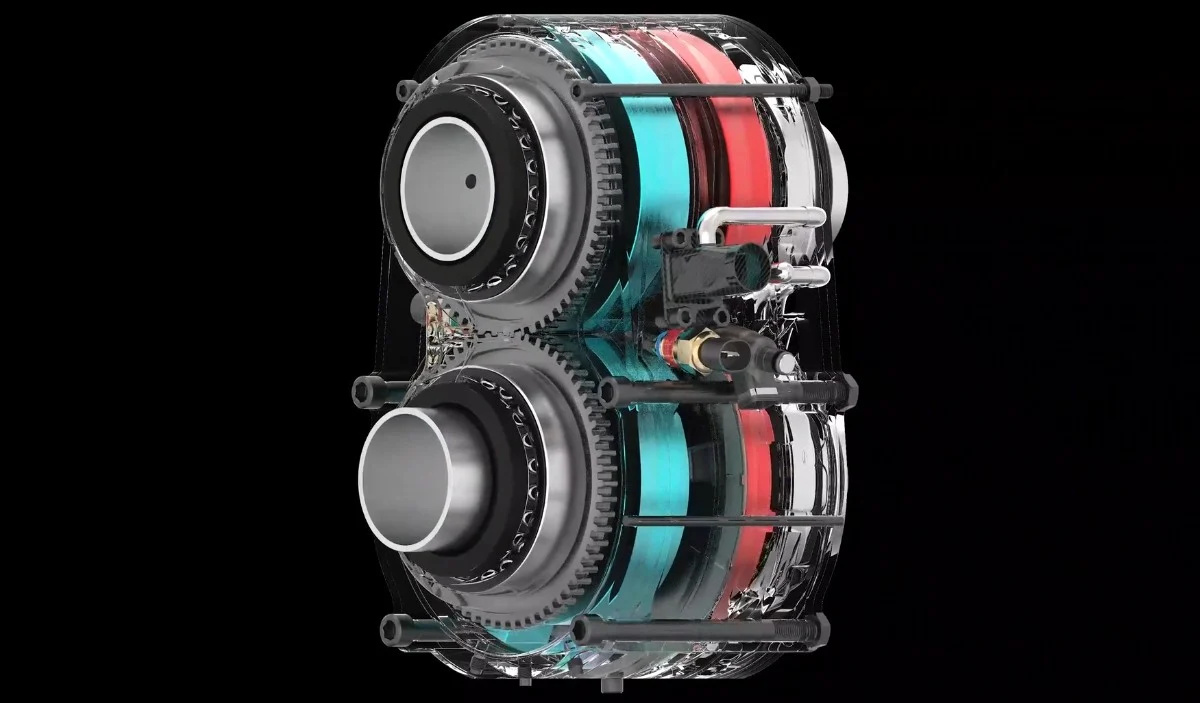
Suitcase-sized hydrogen engine spins at 25,000 rpm, nearly doubling the efficiency of conventional cars and replacing exhaust smoke with water vapor

-
1983 Chevrolet Runs Over 100,000 km Without Gasoline, Powered by Wood Chips, Reaches 125 km/h in Airport Test

-
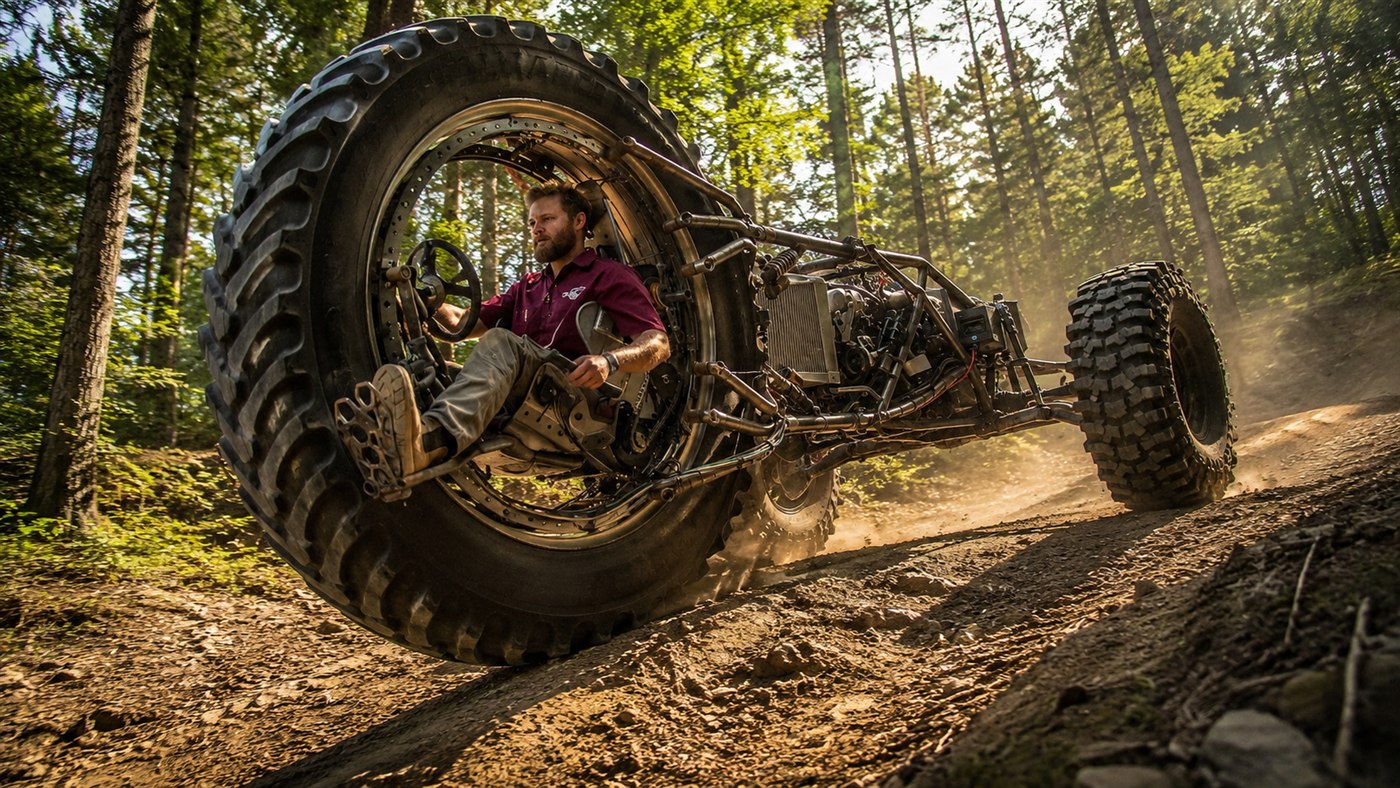
Workshop Converts Giant Tractor Tire Tricycle into a Three-Wheel Drive Hybrid with 36,000-Watt Electric Motor Capable of Climbing Hills

-
Sales of Brazil’s Cheapest Electric Car Halted Before First Deliveries: E-Motors Suspends Emova Easy Due to Import Tax Increase and Rising Freight Costs



The rapid shift to electric vehicles (EVs) in the country has played a crucial role in this turnaround, as Chinese consumers have begun to prioritize more sustainable solutions in line with growing environmental concerns and the reduction of carbon emissions.
The Rise of Electric Vehicles in China
The primary factor contributing to the loss of market share for international brands has been the low supply of electric vehicles.
According to Cui Dongshu, the general secretary of the CPCA, brands such as BMW, GM, and Toyota have failed to keep pace with the growing demand for EVs, resulting in a sharp decline in sales.
Meanwhile, domestic brands have advanced strongly, driven by the increasing demand for clean energy.
Sales of EVs, which include battery-powered and plug-in hybrid models, jumped 43.2% in August, reaching 1.03 million units and accounting for 53.9% of car sales in the country. Furthermore, EVs surpassed gasoline cars, which fell to 48.9% of total sales.
This growth underscores the preference of Chinese consumers for more sustainable and less polluting options, a trend that has pressured international brands like BMW, GM, and Toyota to rethink their strategies.
Amid this scenario, Tesla stood out, with 63,456 electric vehicles delivered to the Chinese market in August.
However, the market share of other foreign brands, including BMW, GM, and Toyota, remains limited in the EV segment, representing only 10% of total electric vehicle sales in the country. The lack of a competitive offering in the EV sector places these brands in a challenging position.
The Impact on International Manufacturers
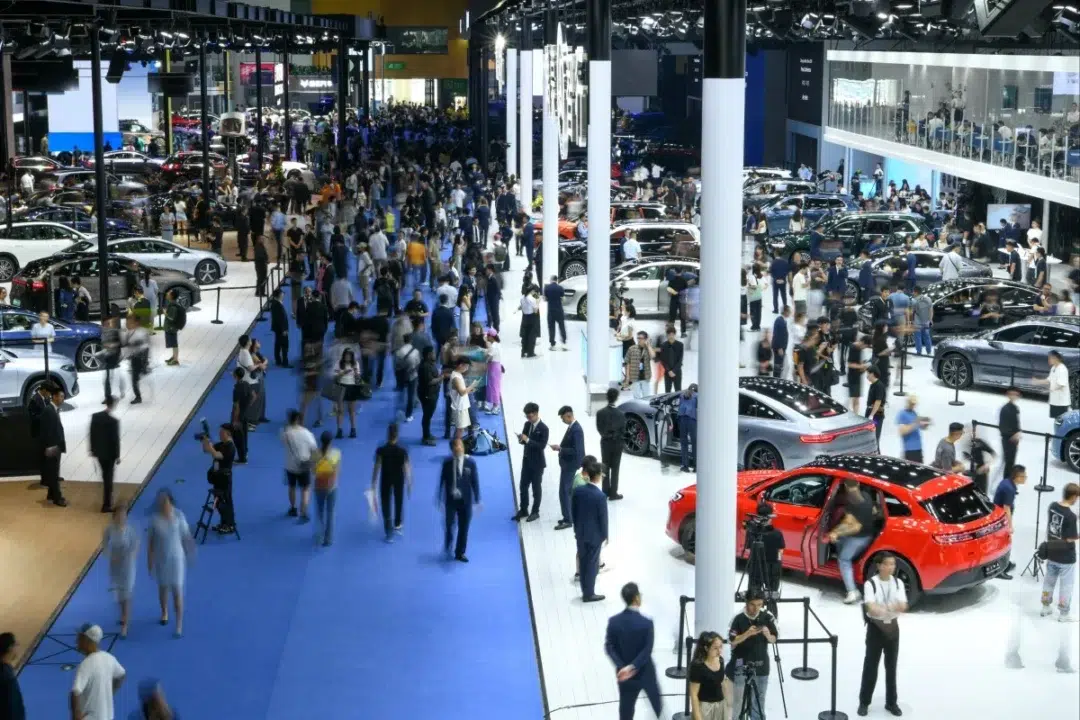
The pressure on international manufacturers such as BMW, GM, and Toyota has been intense. BMW, in particular, responded to the sales decline by halting discounts in July and raising vehicle prices by 30,000 to 50,000 yuan across China.
This strategy aimed to protect profit margins but failed to prevent a 4.2% decline in the brand’s vehicle deliveries in the first half of 2024, as reported by the CPCA.
Tian Maowei, sales manager at Yiyou Auto Service in Shanghai, noted that international manufacturers are facing a tough dilemma: maintain prices and lose sales or reduce prices and sacrifice profit margins.
The only way out, according to him, is to invest in electric vehicles to attract young Chinese consumers. Otherwise, companies like BMW, GM, and Toyota will continue to face issues of overcapacity, as gasoline cars are no longer sufficient to support sales volume.
In terms of market share, German manufacturers, including BMW, saw their share in the Chinese market fall from 20.1% to 16.6% in August.
Japanese brands, such as Toyota, also lost ground, with their share dropping from 16.8% to 12.6%. American manufacturers, such as GM, faced an even sharper decline, with their share decreasing from 8.6% to 5.7%.







Simples cada um produz o seu! Parem de comprar o passivo ambiental e social chinês!
Baratinho, claro se respeitassem o meio ambiente, a legislação trabalhista que temos é mais uma centena de malas que financiamos ninguém pagaria por isso!
Lá o governo ditador determina que não comprem mais do ocidente, que façamos o mesmo!
Porém nossos mandatários já estão em seus bolsos! Com corrupção tão escancarada não se compete!
Os.Chineses vão deixar de comprar carros estrangeiros, vão priorizar sua indústria, suas marcas. **** são os Europeus e Americanos comprarem marcas Chinesas.
Parece que tem um ressentimento nesse coração aí!