Portuguese
  Spanish


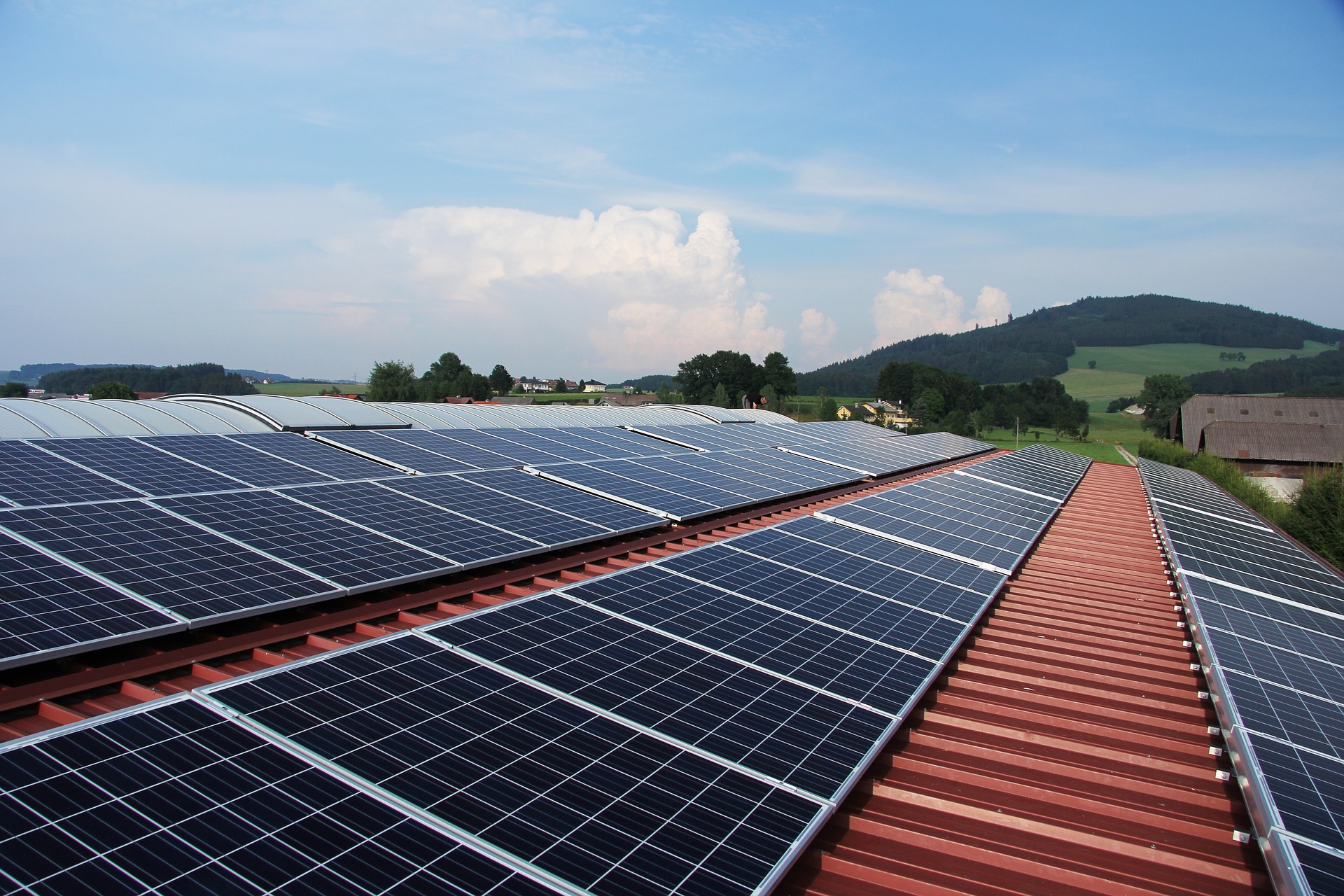

In Last July, Solar Energy Became the Third Largest Source of the National Matrix, Reaching 16.4 Gigawatts of Installed Capacity – and the Outlook for the Coming Years is for an Even Stronger Growth in Demand. Clean and Renewable, Solar Energy is Extremely Beneficial to the Environment, but it is Undeniable that the Main Factor Considered by Most Consumers When Installing Photovoltaic Systems in Homes and Businesses is the Possibility of Reducing the Electricity Bill.
In 2022, according to Absolar (Brazilian Association of Photovoltaic Solar Energy), Brazil Surpassed the Mark of One Million Consumer Units with Own Energy Generation. Luciana Cezare, a resident of the city of Jaú, in the countryside of São Paulo, is part of that statistic. She Discovered Solar Energy Through a Cousin, an Engineer, and Was Particularly Interested in Reducing Expenses on Her Electricity Bill, Considered High Due to the Frequent Use of Appliances Such as Air Conditioning.
After the Recommendation from the Relative, She Reached NeoSolar, a São Paulo Company that is a Reference in the Distribution of Equipment for the Installation of Photovoltaic Systems. Luciana Initially Sought a Grid-Tie (On Grid) Solution with a String Inverter, but, in Contact with NeoSolar, She Heard for the First Time About the Possibility of Installing Microinverters, Which Would Make Energy Systems More Efficient.
“The Microinverter was the Recommended Equipment for the Project, Due to Its Advantages such as Simpler Installation, Ease of Expansion, Flexibility, and the Possibility of Individual Monitoring,” Explains Rafael Pintão, Co-Founder of NeoSolar. Luciana has Already Noticed in Practice that the Recommendation was Correct: “The Microinverter is Very Good, Because Even if One Panel or the Equipment Itself Has a Problem, the Rest Works Normally, Besides Having Great Cost-Benefit. I Am Not an Expert, but I Can Easily Monitor the Operation of the System and Know if Something is Wrong,” She Points Out.
-
Fired during apartheid and with a little borrowed money, an electrician started with a borrowed truck and transformed electrical services into a group connected to energy, real estate, and infrastructure in South Africa.

-
Wood has ceased to be just a construction material in Yale research and has become insulation for electrical transformers that face intense heat, aging, and increasing pressure from the renewable energy-powered grid.
-
More than 1,000 residents of a remote island in Kiribati now have clean water and electricity with solar systems operated by the community itself.
-
Ceará brings together 7 giants and R$ 66 billion to transform Pecém into the largest green hydrogen hub in Brazil, with final decisions expected by the end of 2026.



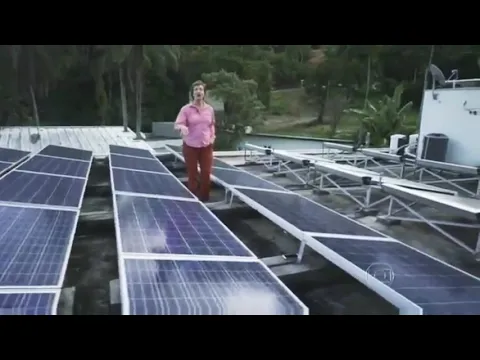
At the Family Home, the Bill that was About R$ 350 Per Month Dropped to Approximately R$ 90 – a 75% Decrease – Even with Increased Consumption: the Pool Has Been Running for More Than 6 Daily Hours Since Then. The Return was So Much that Luciana Has Already Acquired a Similar Solar Energy System for Her Sister and Now Recommends it to All Her Acquaintances.
“I Am Very Satisfied with this Saving on the Electricity Bill. What Impresses is that This Happens Now, When We Use More than Before the Installation of the Solar System. The Service from Neosolar was Also Very Important, Because It Clarified All Doubts Before the Execution of the Project,” She Concludes.

Property Appreciation with Photovoltaic System After Investments in Solar Energy
Regarding the Advantages for Consumers Who Install a Photovoltaic Energy System, Raphael Pintão Highlights that Today This is Already Considered Attractive Even for Those Negotiating Properties. “Although the Initial Investment is Significant, There are Many Financing Options Designed for This Sector that Facilitate Acquisition. Those Who Have Sold Properties with Solar Energy Always Tell Us that the Appreciation Alone Already Pays for the System and that the Benefit is Much Greater than Just Energy Savings,” He States.
The Co-Founder of NeoSolar Clarifies that a GD System Pays for Itself in as Little as 3 Years in the Most Favorable Cases and 5 to 7 Years in Common Cases – and This is a Great Return for Something That Will Last 30 Years or More.
Another Draw for the Increase in Demand for Photovoltaic Systems is the Legal Framework for Distributed Generation, Known as the “Solar Energy Framework,” Which Has Just Completed 8 Months of Regulation. The New Legislation Provides that Consumers Who Produce Their Own Solar Energy Will Gradually Begin to Pay Fees on Distribution. Currently, Micro and Mini-Generators are Exempt, and the Law Maintains this Guarantee Until 2045 Also for Those Who Request the Service Until January 2023.
About NeoSolar
NeoSolar is the Largest Distributor of Off Grid Solar Energy Products in Brazil, Focused on Making Photovoltaic Solar Energy a Viable Solution Used Throughout the Country. Founded in 2010, the Company Has Business Units for On and Off Grid Projects, Courses and Training, Solar Pumping, and Customized Solutions. The Company was One of the Founders of the Brazilian Solar Energy Association (ABSOLAR), the Main Association in the Sector in the Country and Creator of NeoCharge, a Business Unit Leader in Infrastructure for Electric Vehicle Charging, currently in the Process of Spin-off.