






 Portuguese
  Spanish
  3 min of reading
  0 comments


The New Minimum Wage in 2025, Expected to Take Effect in a Few Days, Still Generates Questions About the Official Value
The minimum wage is one of the pillars of Brazil’s economy, affecting millions of workers and retirees. Over the past few weeks, the debates have increased regarding a possible change in the calculation formula, with proposals that may impact the final value of the minimum wage in 2025.
The changes aim to control public spending, but raise questions about the effects on the population’s income, as the minimum wage in 2025 is expected to be lower than initially projected.
The Current Scenario
During this year of 2024, the minimum wage was set at R$ 1,412, with a 7.7% increase compared to the previous year.
-
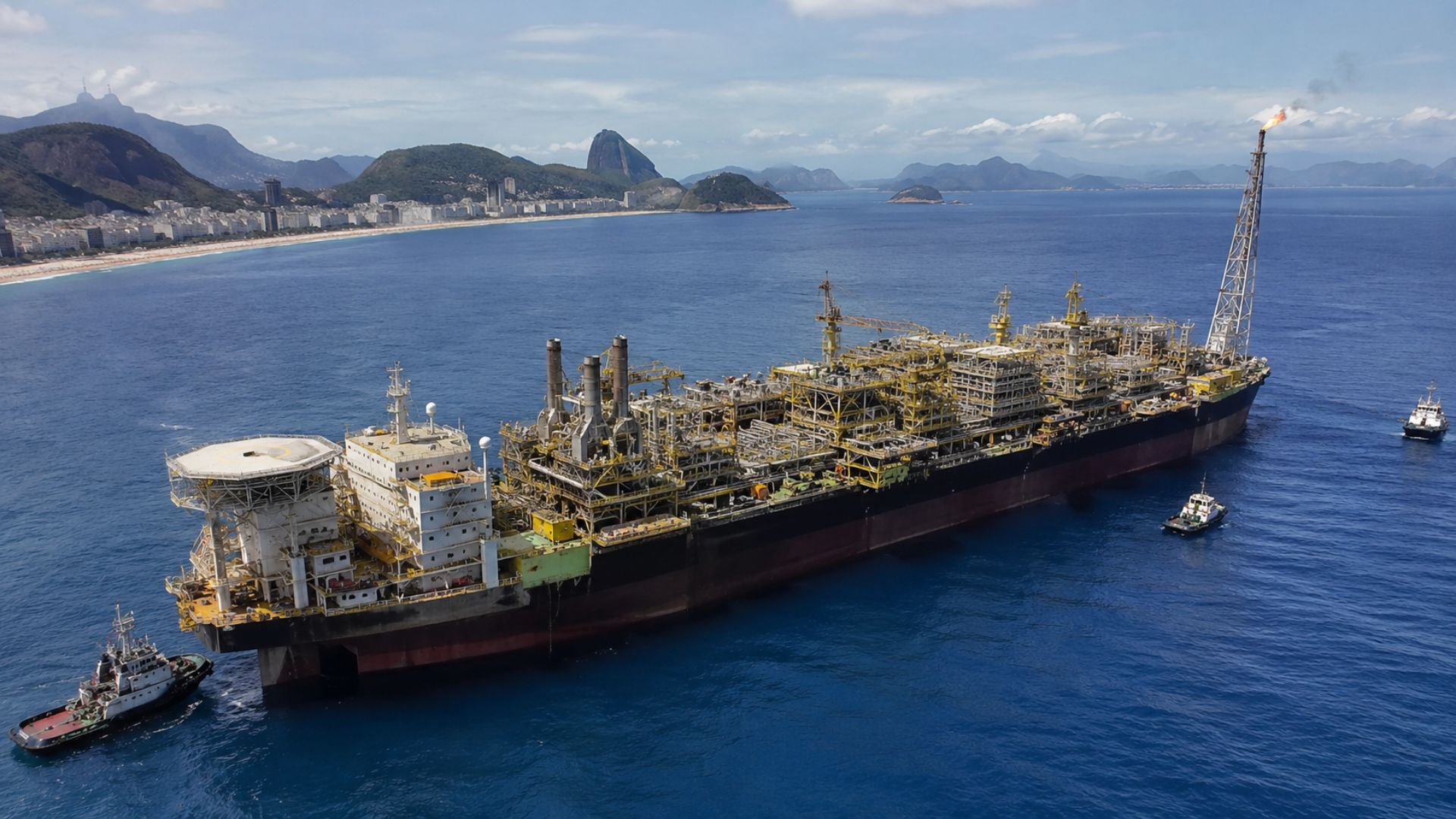
FIRJAN’s mega plan of R$ 526.3 billion for Rio de Janeiro aims to revive Brazil’s largest industry, with two-thirds of the investments going to oil and gas.

-
China signals an increase in beef imports, Brazil has already consumed 70% of the 1.106 million ton quota and seeks to renegotiate the tariff that jumps from 12% to 55%, while demand from the US also skyrockets.
-
Food inflation rose 302% in 20 years in Brazil, but the supermarket changed: purchasing power yielded 87% more mortadella and 31% less fruit, and ultra-processed foods took over the cart.
-
Petrobras sells the first batch of 3,800 m³ of aviation fuel made with certified soy, capable of reducing emissions by up to 70%, in an unprecedented project that anticipates the aviation sector’s requirements expected for 2027.


Under the current appreciation rule, the adjustment of the minimum wage in 2025 would be R$ 118, raising the value to R$ 1,530 — an increase of 8.36%.
However, the government proposed a new rule that reduces the increase to R$ 107, resulting in a minimum wage of R$ 1,519.
Although the difference seems small, it symbolizes an attempt to control the growth of public debt.
The change also reflects a new approach by the government regarding the fiscal framework approved in 2023, which limits the increase in public spending.
The Impact on the Economy of the Minimum Wage in 2025
The minimum wage plays a crucial role in adjusting social benefits, such as pensions and the Continuous Cash Benefit (BPC).
The estimate is that the savings for public coffers will reach R$ 110 billion by 2030, with R$ 2 billion already in 2025. These savings can be used to reduce pressure on the federal budget, but may also decrease the purchasing power of families who rely on the minimum to survive.
The New Proposed Formula
Currently, the minimum wage is adjusted based on the National Consumer Price Index (INPC) accumulated over 12 months, plus the variation of the Gross Domestic Product (GDP) consolidated from the previous two years.
With the new proposal, the calculation would only include inflation measured by the INPC and a “cap” for GDP, limited to 2.5%. Despite GDP in 2023 having recorded growth of 2.9%, this limitation was presented as a way to contain government spending.
When Will the New Value Take Effect?
Regardless of the approved rule, the new minimum wage will take effect on January 1, 2025. The government will have until the end of 2024 to decide whether to maintain the current formula or implement the new methodology.
In other words, if the government cannot change the calculation formula, the minimum wage in 2025 will be R$ 1,530.
Since its creation in 1936, during Getúlio Vargas’s government, the minimum wage has been periodically adjusted. The recent history shows variations that reflect economic and political changes over the decades:
- 2024: R$ 1,412 (increase of 7.7%)
- 2023: R$ 1,320 (total increase of 8.9%)
- 2022: R$ 1,212 (increase of 10.18%)
- 2015: R$ 788 (increase of 8.84%)
- 2010: R$ 510 (increase of 9.68%)
- 1995: R$ 100 (increase of 42.86%)
These numbers show how the minimum wage has evolved, following inflation and economic growth, but also facing challenges related to fiscal control.
The Debate About the Future
The proposal to limit the adjustment of the minimum wage is not unanimous. On one hand, it seeks to ensure the sustainability of public finances.
On the other hand, it generates concerns about the impact on the quality of life of Brazilians, especially those who directly depend on the minimum wage.
For many economists, balance is essential. A valuation policy that considers both economic growth and inflation can help protect families’ income without compromising the public budget.





-

1 person reacted to this.