Portuguese
  Spanish


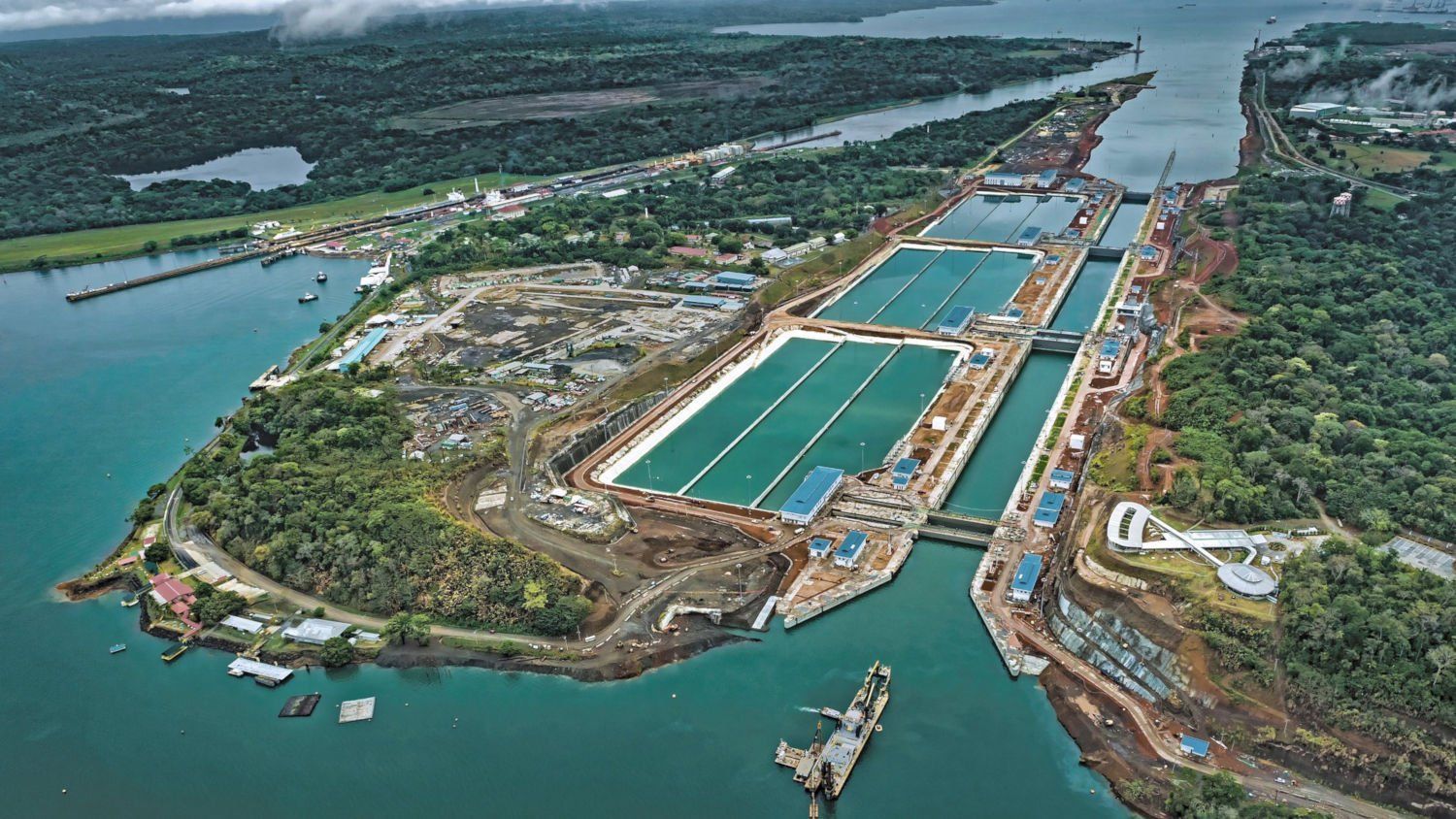

According to Fitch’s Survey, Over 3% of the World’s Maritime Trade Passes Through the Panama Canal
Global Rebound – the increase in vessel traffic in the Panama Canal signals a slow recovery of global trade, which has experienced sharp declines in recent months due to the Covid-19 pandemic.
Check Out Other News:
- Onshore and Offshore Job Openings for Macaé and Espírito Santo Announced by GranIHC, a Service Provider in the Oil and Gas Sector
- Engineering Students – GE Has Internship Opportunities in the Production Area This 19th
- Coca-Cola FEMSA Has 55 Job Openings for Positions of Technicians, Analysts, Promoters, Operators, and More
In July, a total of 933 vessels crossed the waterway, an increase of 10.5% compared to the previous month, which recorded the lowest traffic since the canal opened a set of locks to accommodate larger ships in 2016.
August also shows improvements in numbers, says Ilya Espino de Marotta, the canal administrator, in an interview with Bloomberg.
-
Brazilian Startup Turns Coffee Grounds into Plant-Based Leather, Cutting Water Use by Over 50 Times for High-Impact Sustainable Fashion

-
Eco Invest Auction Aims to Unlock $10 Billion in Investments, Focusing on Green Fertilizers, Critical Minerals, Batteries, and AI for Clean Industry in Brazil

-
Half of Brazilians Prefer Lower Taxes with Private Health and Education, While 44% Opt for Higher Taxes for State-Provided Services, Datafolha Survey Reveals

-
Brazil’s Most Expensive Toll Rises to R$ 40.60 on Route from São Paulo to the Coast, Nearly Matching Bus Fare to Santos



The container shipping between the U.S. and Asia, the canal’s most important route, began to increase this month, she said. However, cruises continue to cancel trips, and the Natural Gas trade may also take longer to recover, she added.
“In the short term, we believe that containers have a better chance of recovering than cruise ships,” said Espino de Marotta.
More than 3% of global maritime trade passes through the Panama Canal, according to Fitch’s survey.
What Is the Panama Canal?
The Panama Canal is an artificial waterway that connects the Atlantic and Pacific Oceans. Instead of vessels making the journey around the South American continent, which could take up to four weeks, they can cross from one side to the other in just 10 hours, traversing the approximately 80 kilometers of the canal.