





 Portuguese
  English
  Spanish
  2 min of reading


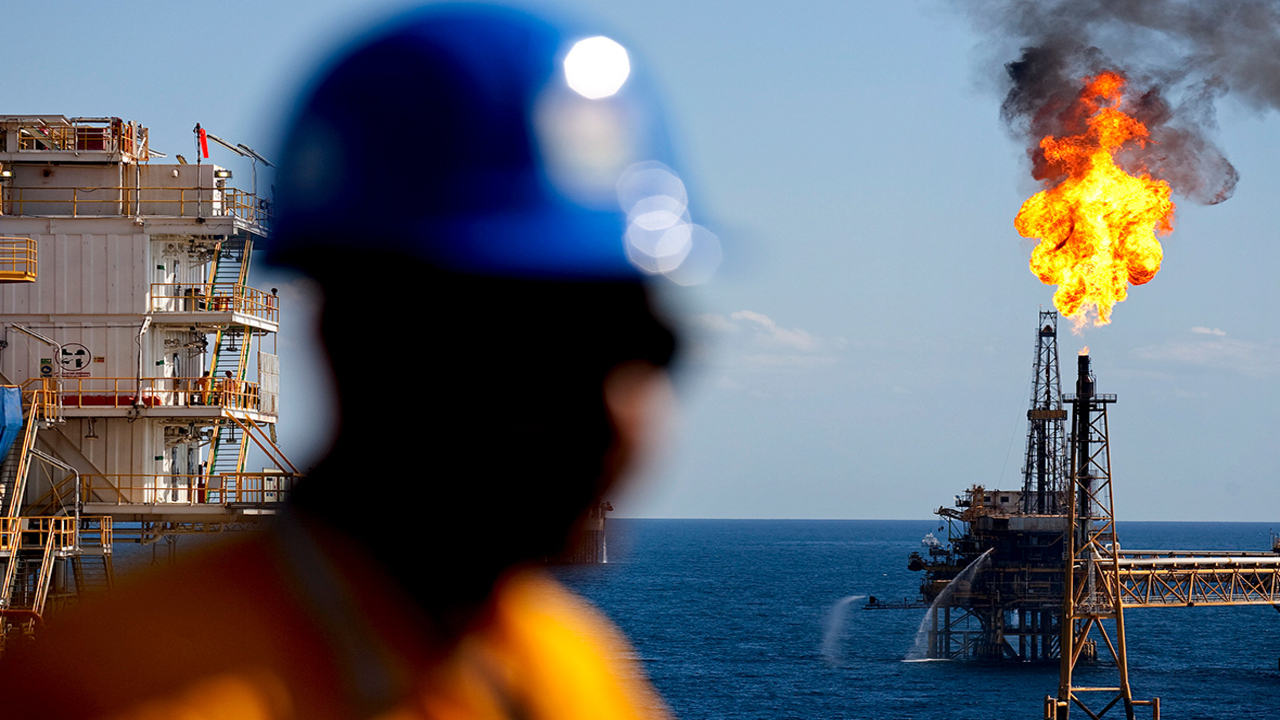
Brazil Has Experienced A Significant Increase In Revenues From The Oil Sector In Recent Years.
Today, the country produces about 3 million barrels per day, with 1 million being exported. By 2025, national production is expected to jump to 5.2 million barrels daily, with most of the surplus being sold to the international market, especially Asia. The forecasts were presented during the online seminar “The Energy Transition And Its Impacts On The Economy,” organized by Folha and FGV Ibre.
According to Bráulio Borges, associate researcher at FGV Ibre, until 2020, revenues from the oil sector in Brazil accounted for about 0.9% of GDP. In 2022, they rose to 1.8%; and are expected to reach 3% of GDP by the end of this year. “For many years, Brazil was a net importer of oil and derivatives. This changed starting in 2016 and now we will have a significant surplus,” Borges states.
The advances in oil exploration domestically, combined with the ongoing energy transition in Brazil and worldwide, open up a horizon of business opportunities and use of resources for Brazil’s macroeconomic stabilization.
-
While the Brazil-Peru rail has been under study for 11 years, China-Brazil unlock the $18.5 billion bi-oceanic corridor Manaus-Chancay to challenge the Panama Canal

-
USA, Japan, and South Korea accelerate the use of autonomous underwater robots that operate at a depth of 3,000 meters, travel 100 km without recharging, and remain up to 12 months on the seabed, reducing risks on offshore platforms.

-
BILLION-DOLLAR WAR! The USA has already lost more than 40 military aircraft in a confrontation against Iran, and the damage exceeds R$ 13 billion.

-
Oil royalties become a billion-dollar deadlock in the STF as Brazil breaks records in the pre-salt and debates the use of energy wealth.



The increase in production is expected to bring various benefits to the Brazilian economy, including the influx of more dollars into the country through exports, and the possibility of greater fiscal balance. In other words, the sector’s revenue may help Brazil improve the stability of public accounts and consequently, the investment environment.
Oil Export To Asian Countries
The executive director of the Brazilian Institute of Oil and Gas (IBP), Fernanda Delgado, states that a large portion of the Brazilian oil not consumed domestically will be exported to Asian countries, where the product is widely accepted due to its low sulfur content.
According to the coordinator of the Macro Bulletin at FGV Ibre, Silvia Matos, the sector’s revenue could help Brazil improve the stability of public accounts and consequently, the investment environment.
Investments In The Oil And Gas Sector
According to Fernanda Delgado, the projected direct investments for the next ten years amount to about US$ 185 billion in the oil and gas sectors, with the expectation of creating 400,000 jobs. This means that the oil sector could be an important source of employment for the coming years in Brazil.
The consolidation of the oil sector in Brazil in recent years brings numerous opportunities for the country, which will benefit from increased exports and the influx of more dollars into the economy. Moreover, revenue from oil can help support fiscal consolidation and create a favorable investment environment. The oil and gas sector will also be an important source of employment for the coming years in Brazil.






Be the first to react!