Portuguese
  Spanish


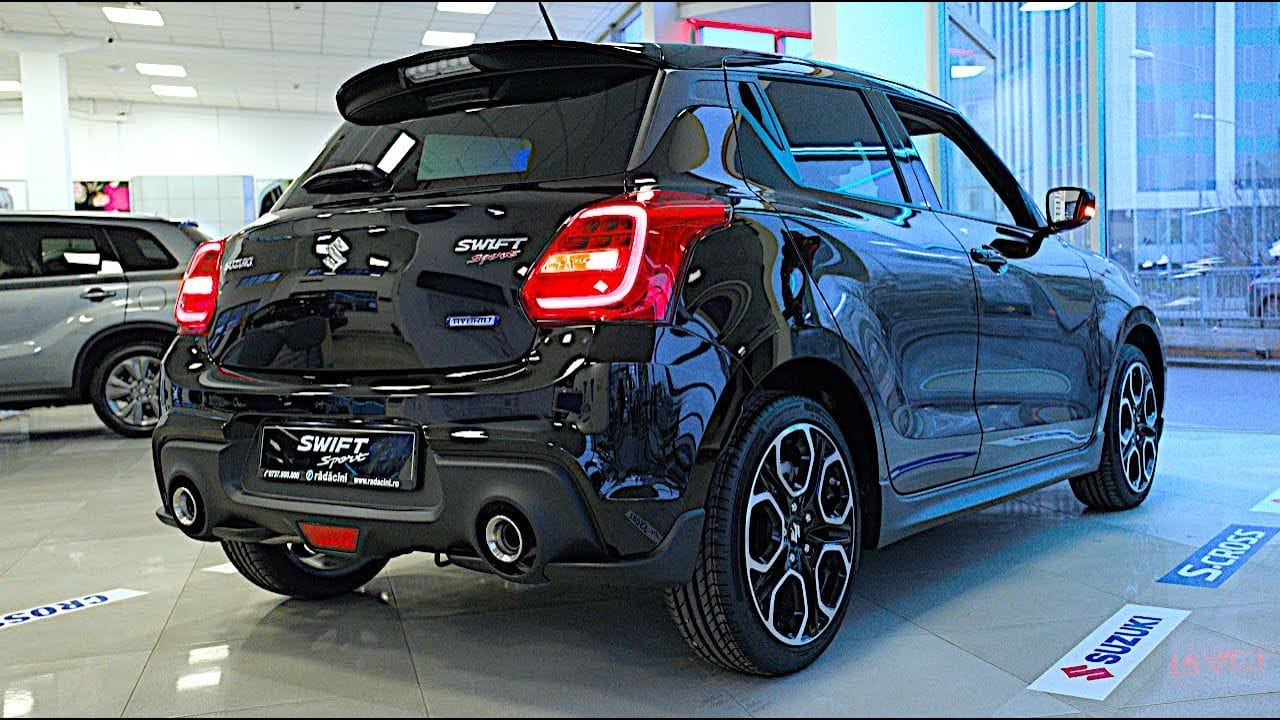

The Iconic Suzuki Swift Sport Returns to the Market, Promising to Revolutionize the Market with Its New Hybrid Version, Modernized Design and the Nostalgia of a Reinvented Classic.
In the global automotive landscape, where the passion for cars intertwines with nostalgia, the relaunch of the new Suzuki Swift Sport emerges as a milestone of innovation and reminiscence. This model, which has been a symbol of style and performance on the streets of Brazil, returns with a modern look and attributes that promise to reignite the fervor of enthusiasts.
At first glance, it reveals an exterior design that captures attention: 17-inch wheels with Continental Sport tires, carbon fiber details, and a dual exhaust that not only enhances its sporty look but also promises a sound that pleases the most demanding ears. The vibrant orange color complements the bold visual identity of this model, standing out in the urban landscape with elegance and audacity.
Engine of the New Suzuki Swift Sport


Directly from Barcelona, the European stage of automotive innovation, I had the opportunity to firsthand explore the new features that the Suzuki Swift Sport brings. This vehicle, which carries the essence of an accessible sports car, has significantly evolved since its last version sold in Brazil. With a slightly hybrid 1.4 engine, this icon returns to its roots with 130 horsepower, wrapped in an exterior aesthetic that combines modernity and tradition.
-
End of an era in Brazil: beloved sedan by Brazilians is discontinued despite having a 2.0 engine with 151 hp, CVT transmission, 466-liter trunk, and up to 650 km of range.

-
New Law Proposal in Brazil Could Heavily Penalize Drivers: Dangerous Overtaking May Become a Serious Offense with Fines Increased Tenfold and a 12-Month License Suspension; Update on 2026 Progress

-
Electric Revolution: Watts W125 Motorcycle Offers 160 km Range, 90 km/h Speed, and Affordable Price Starting at $3,000
-
General Motors Replaces Over a Thousand Workers with 50 Cobots at Electric Vehicle Plant, UAW Union Criticizes Move Amid Industry’s Automation Push



The interaction with the new Swift Sport reveals more than just a captivating exterior; the internal details invite the driving experience. The finishing, although simple, is compensated by features such as a blind spot sensor, anti-fog rearview mirror, and sports seats that promise comfort and safety. Technology keeps pace, with a digital instrument panel and driving assistants that place this model at the forefront of the segment.
Market: Challenge in Sight?
The Suzuki Swift Sport brings with it the challenge of reclaiming the market. The brand, although recognized for its quality and innovation, faces the challenge of breaking prejudices and establishing itself as a viable option against competitors. With a starting price of 23,600 euros in Europe, the big question is: is Brazil ready to welcome this icon back to its automotive market?
The new Suzuki Swift Sport is a symbol of renewal and nostalgia. With its innovative design, cutting-edge technology, and performance that promises to excite, this model is ready to make history again. Although the market presents its challenges, the essence and passion that the Swift Sport carries have the potential to win hearts and global roads, marking the beginning of a new chapter for Suzuki.
Trajectory of the Suzuki Swift and Swift Sport in Brazil
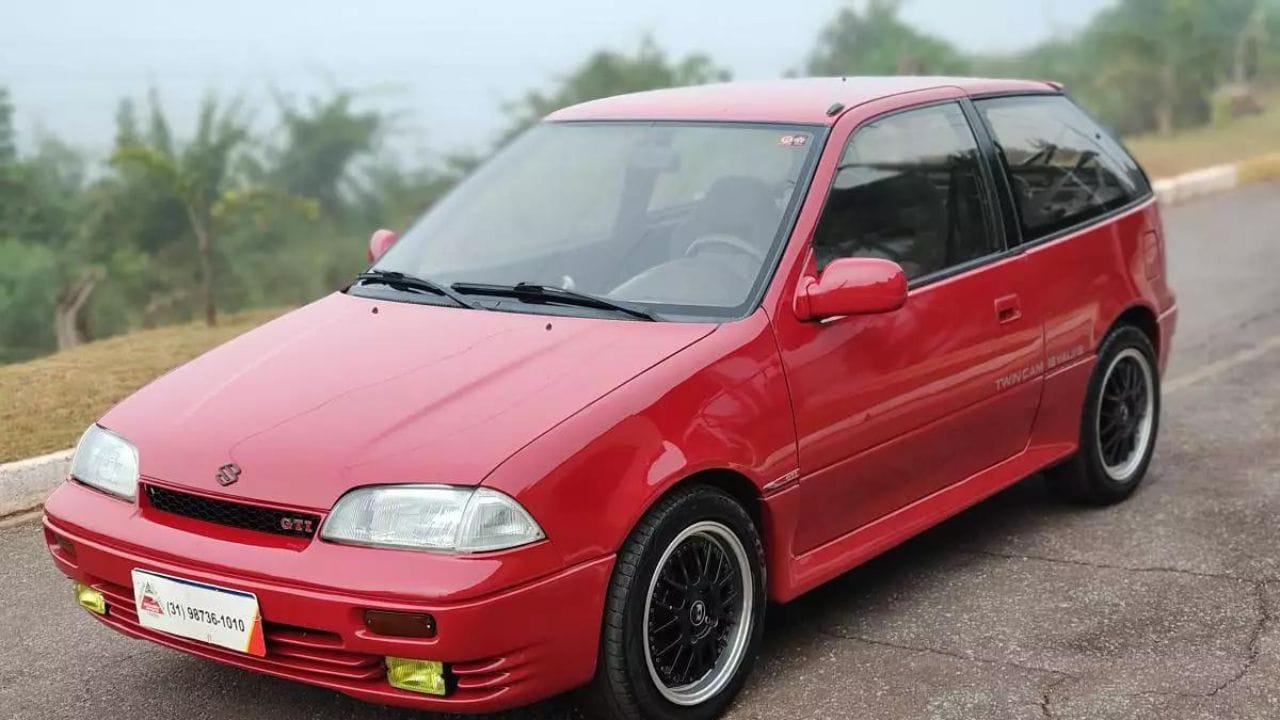
The trajectory of the Suzuki Swift and Suzuki Swift Sport in Brazil is a roller coaster of ups and downs, marked by a combination of passion, performance, and strategic challenges. Since its introduction in the late 80s to its triumphant return today, each generation reflects changes in the market and consumer preferences.
The First Generation (1989 – 1994) saw the Suzuki Swift arrive in Brazil as a compact hatch and enthusiast, but modest sales and the opening of the Brazilian market led to its early decline. Meanwhile, the Swift Sport debuted with a sportier spirit and a more powerful engine, but faced similar challenges and also went out of production.
The Second Generation (2004 – 2012) marked the return of the Swift to Brazil, bringing renewed hopes. With a more powerful and agile version, the Swift Sport stood out, but still, both models struggled against limited sales and challenging market strategies, culminating in their withdrawal in 2012.
The Third Generation (2013 – 2021) did not see an official import of the models, placing them in a sort of hiatus in the Brazilian market. Although there were plans to bring the Sport version, these never materialized, leaving fans waiting.