Portuguese
  Spanish


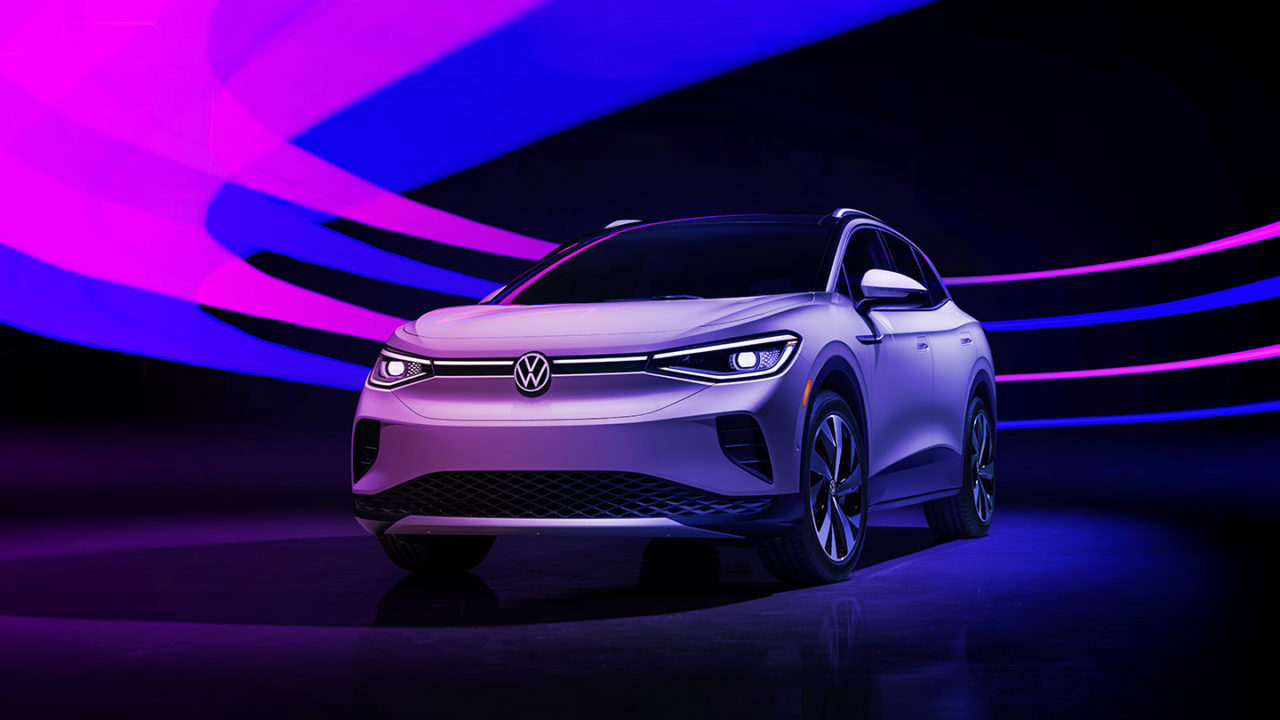

In 2015, the EPA Tasked Volkswagen, a Leader in Electric Vehicles, with Installing Software in Its Diesel Vehicles That Circumvented Emissions Tests. Investigations by European Regulators Followed, and the Company Tried to Cover Up the Scandal, with the Dismissal of Executives and Payment of US$ 30 Billion in Fines and Damages. This Is a Flagrant Example of Deliberate Violations of Corporate Law, with a Mass Brand Appearing Irrevocably Damaged.
Just a few years later, the company is regarded as a leader in electric vehicles. New electric cars from VW, Audi, and Porsche are selling well, and Electrify America, the infrastructure company formed as part of VW’s agreement with the authorities, has implemented an extensive and growing charging network in the United States.
Company Had to Change to Maintain Leadership in Electric Vehicles
It is one of the most impressive facelifts in the company’s history – but VW did not do it alone. In 2016, the company formed a sustainability committee of nine experts from various fields to help it transform from a polluting pariah to a pioneer in gas-free propulsion.
Among the members of the Sustainability Council are Margo Oge, former EPA executive and author of “Driving the Future” and several articles on clean vehicles, a driver of Tesla and “a big fan of reducing transportation emissions.” In a recent article for Forbes, which I highly recommend you read in full, Ms. Oge describes her groundbreaking work on the Mass Sustainability Council.
-
Classic Volkswagen Beetles of Brazilian Presidents to Swap Museums in Historic Partnership

-
British Factory Transitions from Mechanical Parts to Producing 420,000 Electric Power Units Annually, Supplying 70% of Ford’s Electric Cars Sold in Europe
-
BYD’s Dolphin Mini Becomes Electric Vehicle Sensation in Brazil, Surpassing 300,000 Sales with Major Factory and Retail Leadership
-
Toyota Shifts from Hybrid Cars to Electric Air Taxis with Joby’s 6-Rotor Aircraft, Capable of 322 km/h, Aiming for Mass Production to Electrify Urban Skies



To its credit, VW’s new leadership understands that substantive action is necessary – firing executives, paying some fines, and returning to normal operations is not the way forward.
The Sustainability Council outlined a series of three significant strategic changes, broadly adopted by VW’s leadership: Technological Change: “Diesel has become ‘radioactive’ and the only viable way for VW to save its brand and meet stricter global emissions regulations is to adopt electric vehicle technology.” Policy Changes: “Volkswagen has lost all credibility with regulators and policymakers.
To restore its official reputation and position as a leader in electric vehicles, the company had to change its stance with regulators and NGOs in all major markets and become a champion of ambitious standards that reduce pollution and enhance development. EVs instead of fighting political leaders and regulators.
Cultural Change: Volkswagen needs to drive a cultural change to become a more ethical, collaborative, and purpose-driven company that can learn from failure.