Portuguese
  Spanish


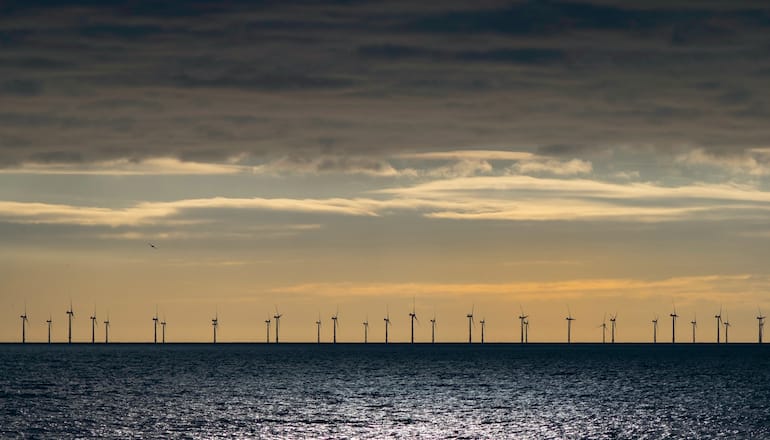

Offshore Wind Capacity Needs to Quadruple to Meet the Goal of Decarbonizing the Energy System.
The United Kingdom is seeking ways to decarbonize its energy system in the coming years. According to Aurora’s analysis, the country’s offshore wind capacity would need to increase more than four times, nuclear capacity by 35%, and pumped storage capacity by more than 150% by 2035. However, the feasibility of these increases is questioned due to current development, uncertainty around the market, and the need for key technologies, such as decarbonization.
Despite the challenges, reducing emissions from the energy sector to zero would bring significant advantages, helping to meet the legal deadline for reducing emissions to net zero across the economy by 2050. Additionally, decarbonizing the energy system would increase Britain’s energy independence and protect consumers from future spikes in raw material prices. According to Marc Hedin, head of research for the UK and Ireland at Aurora, it is crucial to promote an ambitious plan, but policymakers need to provide a realistic framework to support the country’s energy transition.
Decarbonization of the Energy System: Challenges and Opportunities
Decarbonizing the energy system is an urgent and essential goal to reduce carbon emissions and combat climate change. However, achieving decarbonization requires unprecedented effort, involving investors, promoters, and policymakers.
-
Fired during apartheid and with a little borrowed money, an electrician started with a borrowed truck and transformed electrical services into a group connected to energy, real estate, and infrastructure in South Africa.

-
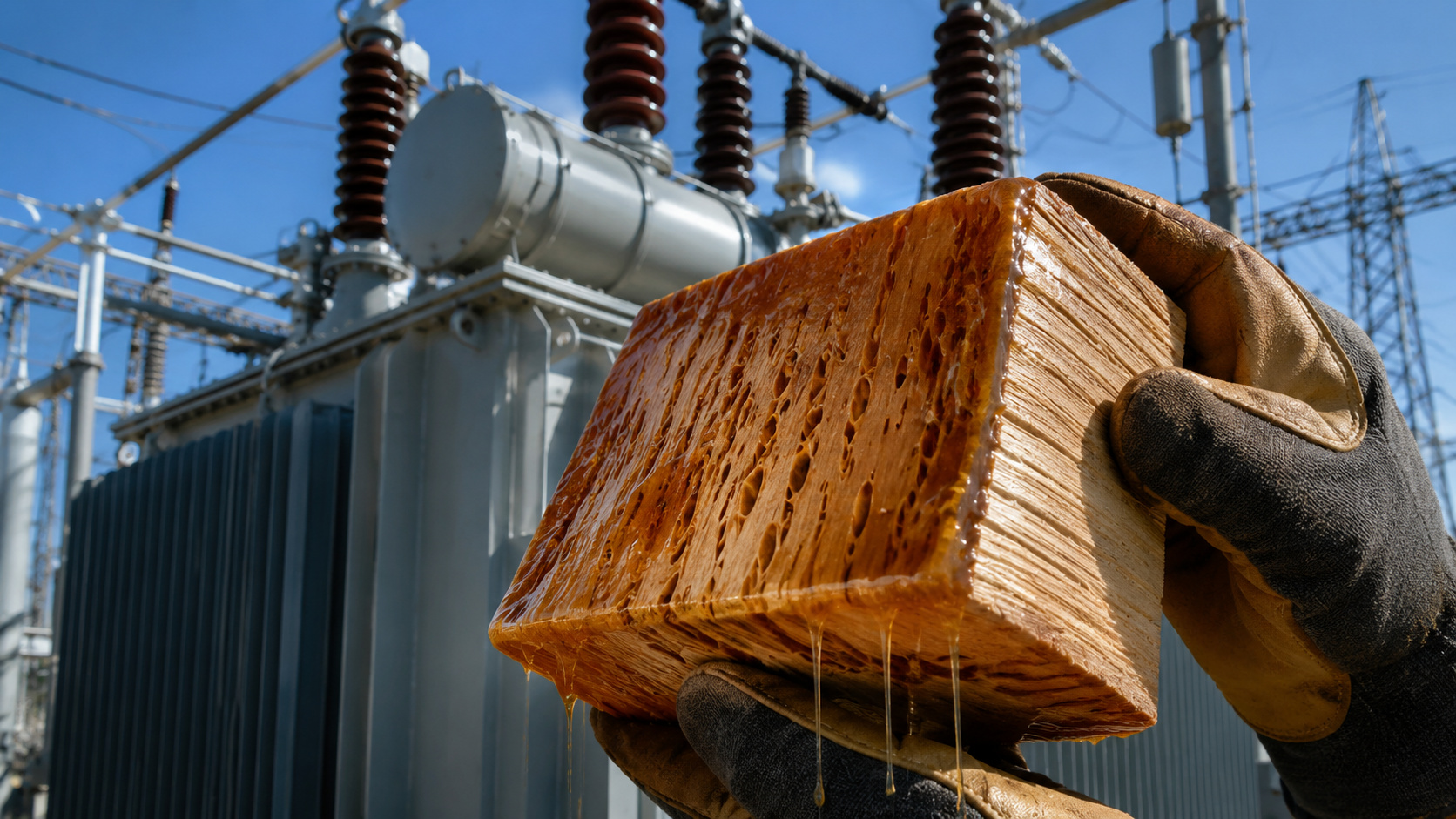
Wood has ceased to be just a construction material in Yale research and has become insulation for electrical transformers that face intense heat, aging, and increasing pressure from the renewable energy-powered grid.
-
More than 1,000 residents of a remote island in Kiribati now have clean water and electricity with solar systems operated by the community itself.
-
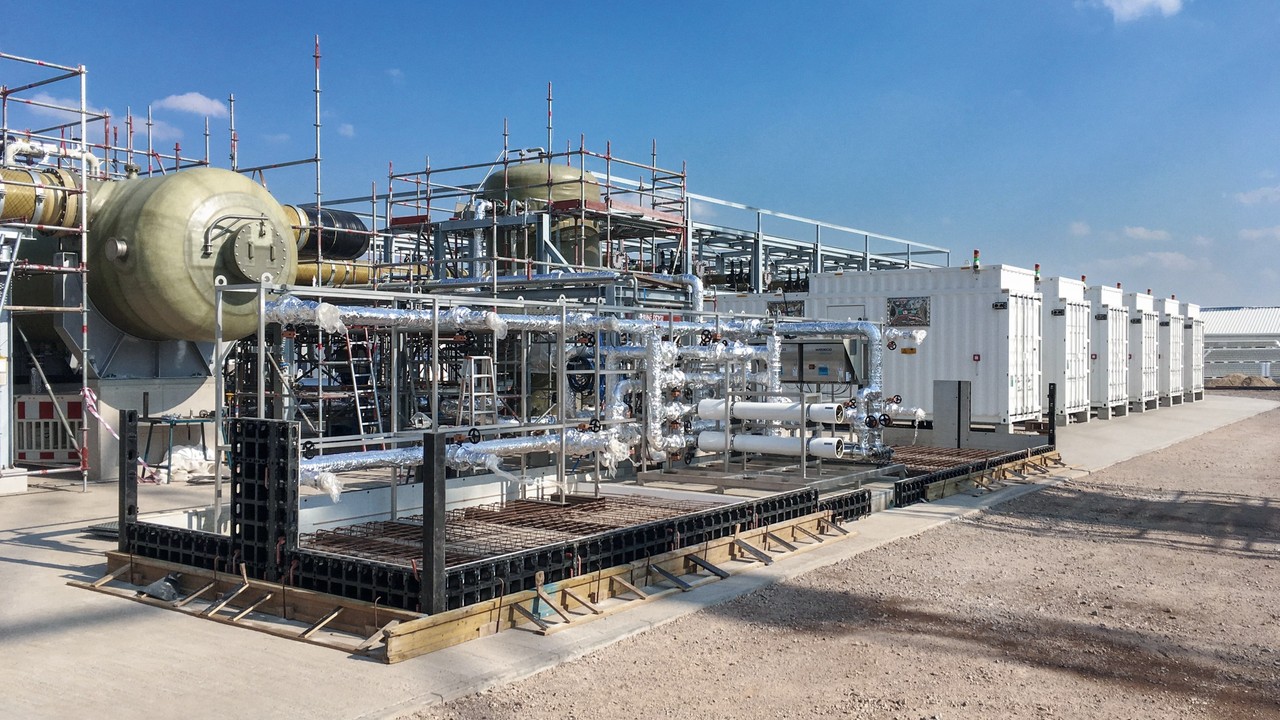
Ceará brings together 7 giants and R$ 66 billion to transform Pecém into the largest green hydrogen hub in Brazil, with final decisions expected by the end of 2026.



Wind and Nuclear Capacity in Decarbonization
Increasing wind and nuclear capacity is crucial to decarbonize the energy system. However, the uncertainty surrounding the market design and the allowed timelines may hinder the current development.
Challenges in the Energy Transition
The pace of grid expansion and the development of pumped storage capacity are crucial for decarbonization, but they face significant challenges. The emergence of key technologies, such as carbon capture and storage (CCS) and hydrogen, may offer solutions, but there is still uncertainty regarding timelines and commercial viability.
Impact of Decarbonization on Global Energy Prices
Deep electrification and the goal of achieving net zero may contribute to energy independence, but they may also lead to spikes in global energy prices. This is one of the challenges faced by policymakers and investors in decarbonizing the energy system.
The Role of Policy in Decarbonization
Decarbonization requires unprecedented efforts from both the private and public sectors, and collaboration among all stakeholders is vital. Development timelines and long-term goals, such as the COP28, play a crucial role in guiding the energy transition.
Conclusion
Decarbonizing the energy system is an unattainable goal without global commitment and concerted efforts. Overcoming the challenges and seizing the opportunities presented by the energy transition will require cooperation among various stakeholders and a multifaceted approach.
Source: © Re News.Biz