Portuguese
  Spanish



Renault Brings An Innovative Solution To Finally End The Charging Time Of Electric Car Batteries: The Exchange Of Discharged Batteries For Recharged Batteries
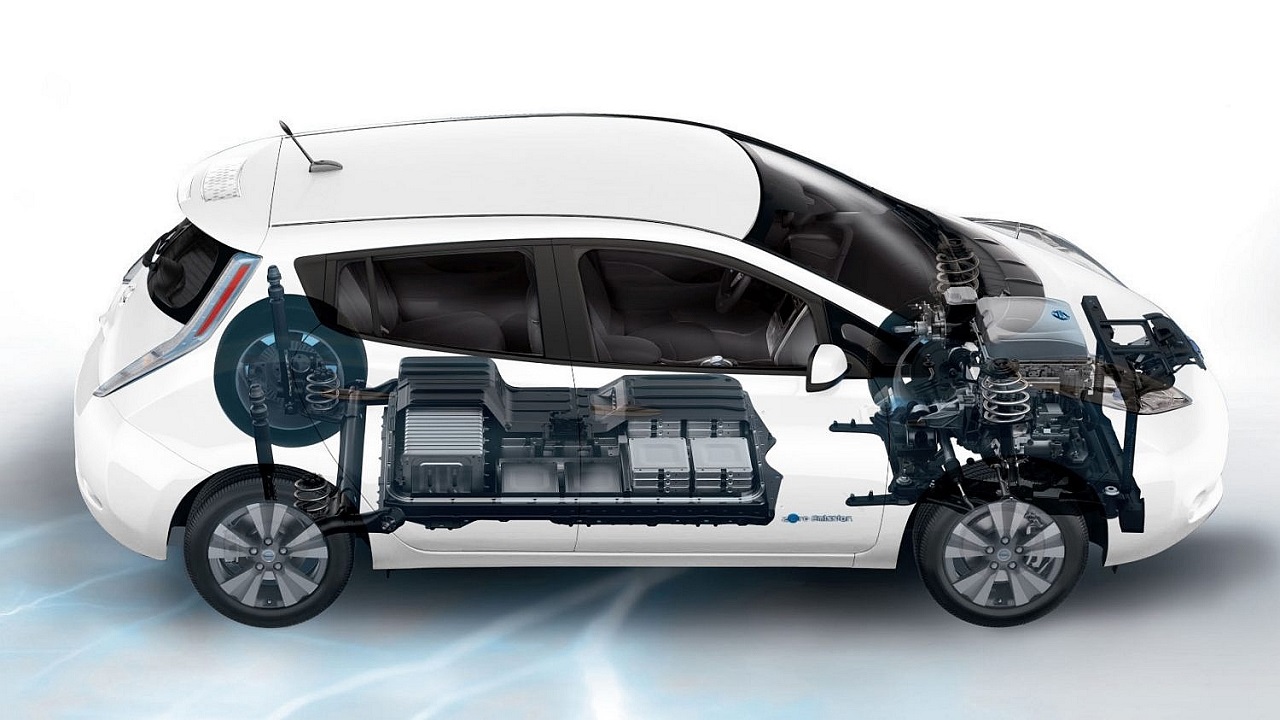
Without a doubt, one of the major difficulties of electric cars is the time it takes for the vehicle’s battery to recharge. Charging can take hours or requires expensive devices and electric cars that support fast refueling technologies. However, Renault is studying a much simpler solution that could change the electric car market. Instead of always recharging the battery, the vehicle could simply have a removable battery that could be exchanged. For example, when the battery is discharged, you could replace it with a charged one.
Read Also
Renault and the Creation of Removable Batteries for Electric Cars
This project was already developed by Renault, in partnership with the Israeli company Better Place, using the Fluence EV, but the project had to be interrupted due to the bankruptcy of the Israeli company. However, the CEO of the automaker, Luca de Meo, stated that Renault is studying to resume this concept in its next electric cars.
Currently, only the Chinese company Nio utilizes this solution, but still on a small scale. The main idea is similar to that of Better Place: the electric car parks at a battery exchange station, and a complex mechanism performs this exchange, which is located on the floor.
-
Rolls-Royce Turns Heads with 30-Inch Floating Wheels, 6.6-Liter V12 Engine, and 563 Horsepower

-
2019 Kia Sportage EX: A Spacious and Cost-Effective SUV with 2.0 Flex Engine and Panoramic Roof
-
Fiat Strada Becomes Top Seller in June, Surpassing Onix, Polo, Hilux, and T-Cross with 107 HP Engine and 732 km Range.

-
Suitcase-sized hydrogen engine spins at 25,000 rpm, nearly doubling the efficiency of conventional cars and replacing exhaust smoke with water vapor


The entire procedure can take around 5 minutes, a time quite similar to refueling a regular combustion car. According to the CEO of Renault, there is still a lot to be decided, however, it is a great opportunity. It is necessary to find a positive solution, but from a business perspective, it makes sense to separate the battery from the electric car.
Negative Points of Battery Exchange
As not everything in life is perfect, there is a downside that Renault has faced and will likely have to confront: the necessary adaptations for the electric car to have its battery exchanged automatically, as it is usually firmly attached to the body with various connectors and screws.
The adaptations that need to be made will directly hinder the optimization of internal space in the electric car, but if the vehicle is designed from the start with this solution in mind, the problems will be resolved more easily.
French Automaker Stands Out in the Electric Car Market
Renault began selling electric cars in Brazil in 2013. Initially, the automaker started selling four models from different segments: The compact hatch Zoe, the utility Kangoo, the quadricycle Twizy, and the sedan Fluence.
The latest electric model from Renault is the Zoe E-Tech, which will be sold in Brazil in the Zen and Intense versions, with a list price of R$ 205,000 and R$ 220,000 respectively. It has a battery with a range of 52 kWh and a range of about 385 km.