Portuguese
  Spanish




Partnership Between Renault, Geely And Aramco Proposes Solution That Adapts EVs For Hybrid Technology With Reduced Cost
As the electric vehicle market continues to expand, Renault aims to transform electric vehicles into hybrids to reduce costs and increase manufacturing flexibility. The proposal comes from Horse Powertrain, a joint venture between Renault Group, Geely, and Aramco.
Renault Wants To Transform Electric Vehicles Into Hybrids Starting In 2028
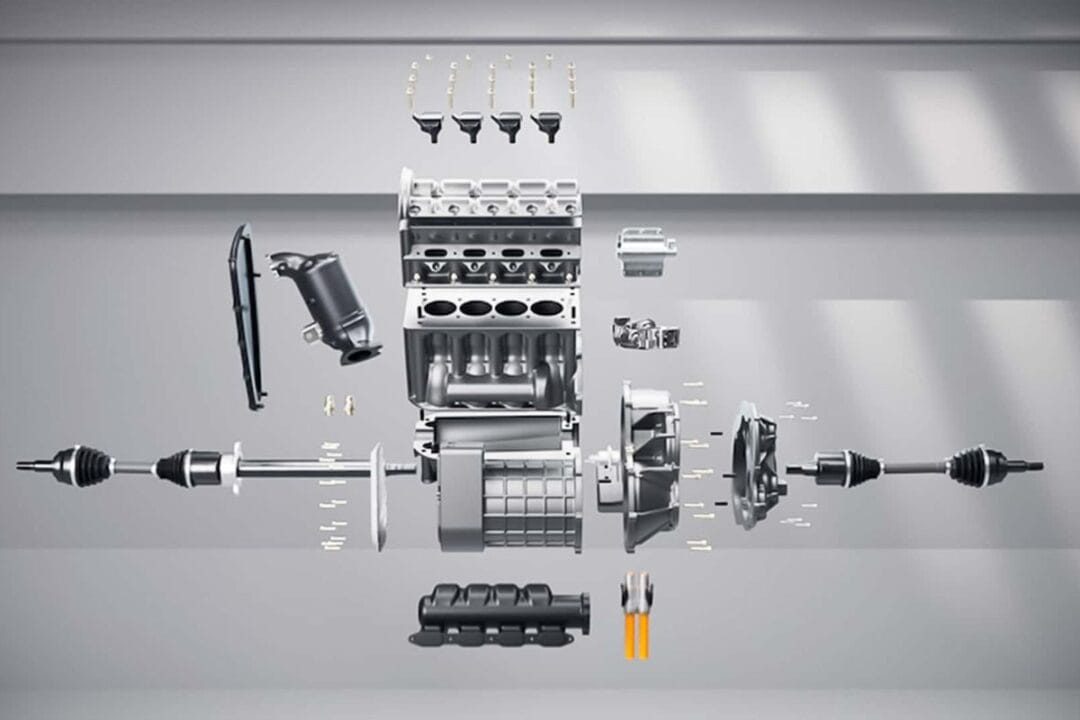
The new modular hybrid system from Horse Powertrain will be officially unveiled at Auto Shanghai. The system combines an internal combustion engine, an electric motor, and transmission into a single unit, designed to replace the front drivetrain of an electric vehicle.
According to the company, the system can be installed with minimal modifications, using the existing electrical structure. This allows the same car model to be manufactured as either electric or hybrid on the same production line.
-
End of an era in Brazil: beloved sedan by Brazilians is discontinued despite having a 2.0 engine with 151 hp, CVT transmission, 466-liter trunk, and up to 650 km of range.

-
New Law Proposal in Brazil Could Heavily Penalize Drivers: Dangerous Overtaking May Become a Serious Offense with Fines Increased Tenfold and a 12-Month License Suspension; Update on 2026 Progress

-
Electric Revolution: Watts W125 Motorcycle Offers 160 km Range, 90 km/h Speed, and Affordable Price Starting at $3,000
-
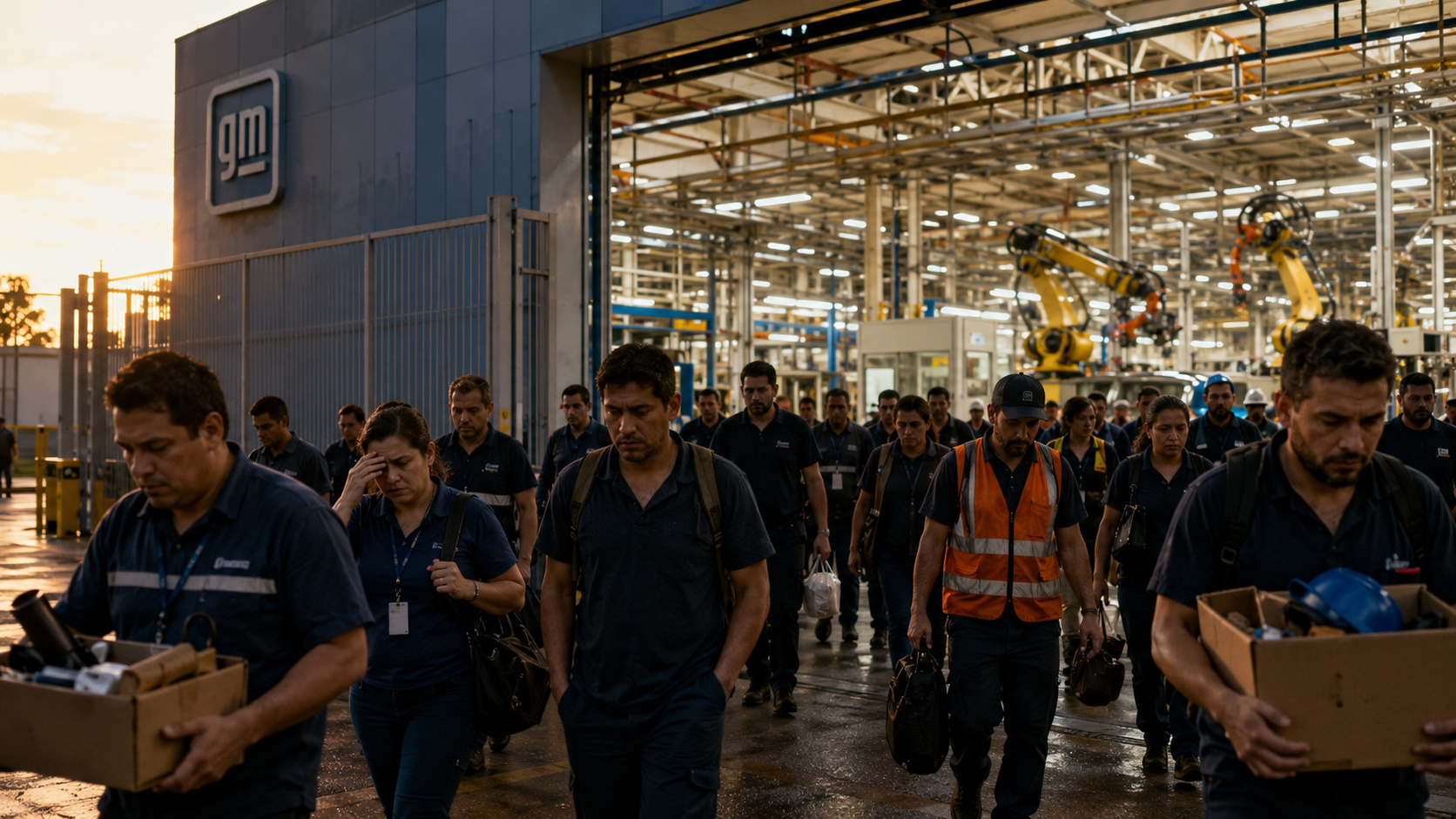
General Motors Replaces Over a Thousand Workers with 50 Cobots at Electric Vehicle Plant, UAW Union Criticizes Move Amid Industry’s Automation Push


Hybrid System Promises To Be Compatible With Gasoline, Ethanol And Even Methanol

Renault’s technology aims to transform electric vehicles into hybrids with a low-cost approach and wide compatibility. The internal combustion engine of the system can run on gasoline, ethanol, methanol, or modern synthetic fuels.
The system also acts as a range extender, maintaining the high-voltage battery and directly powering the front wheels. The unit also enables all-wheel drive when combined with an electric rear axle.
Modular Hybrid Could Accelerate Energy Transition In Markets With Limited Infrastructure
Renault’s solution seeks to transform electric vehicles into hybrids primarily for manufacturers with fewer resources. This allows the adaptation of affordable electric models for markets where charging infrastructure is still limited.
With an integrated controller, inverter, DC-DC converter, and onboard charger, the system offers full technical support. The promise is to deliver diverse motorization without radically altering current industrial processes.
Renault Plans To Start Mass Production In 2028
Horse Powertrain estimates that the first vehicles with this technology will be on the streets by 2028. Smaller brands are expected to be the first to adopt the system, although it is also compatible with platforms of larger manufacturers.