






 Portuguese
  Spanish


At 24, Beatriz Gonçalves Szablewski became the first live-line electrician in Mato Grosso at Energisa. She started as a meter reader in 2022 and today faces the highest risk role in the electrical sector, repairing the energized network at the top of the pole and paving the way for women in energy.
Working at the top of a pole already scares many people, and doing it with the network on takes the challenge to another level. It is exactly in this scenario that Beatriz Gonçalves Szablewski, 24, became the first woman in Mato Grosso to work as a live-line electrician. The role involves repairing the network without turning off the power, and until recently, it was an exclusively male territory in the state.
According to Notícias Interativa, Beatriz joined Energisa in 2022 as a meter reader, a role that involves recording consumption on meters. In less than a year, she had already become a distribution electrician in Rondonópolis and continued to rise to live-line work. The rapid trajectory shows a deliberate career choice within the electrical sector.
Who is Beatriz and how she became a live-line electrician
Even before joining Energisa, she had already taken an electrician course because she wanted to be prepared.
-
Metal Detectorist Uncovers Up to 15,000 Roman Coins in Wales, Potentially the Largest Find of Its Kind in the Country

-
Top U.S. Bank Executive Fired After Dumping Trash on Street, Taking Bin Home, and Receiving Two Fines
-
Brazilian Man Arrested After FBI Alert on AI-Reported Plot to Harm Son and Attack Schools, Churches, and Officials
-
2,500-Year-Old Bronze Artifacts Unearthed by Detectorist in Eastern Poland




The entry point was meter reading, but the goal was always the wires up there.
In a short time, she went from meter reader to distribution electrician at the Rondonópolis unit.
Along the way, she also joined teams combating energy theft, another tough front in the electrical sector.
Each stage worked as a step up to the most technical and risky function of all, the live line electrician.
Today she is proof that you can start at the bottom and reach the top of field operations.
What is a live line electrician
The name of the function explains the danger embedded in it.
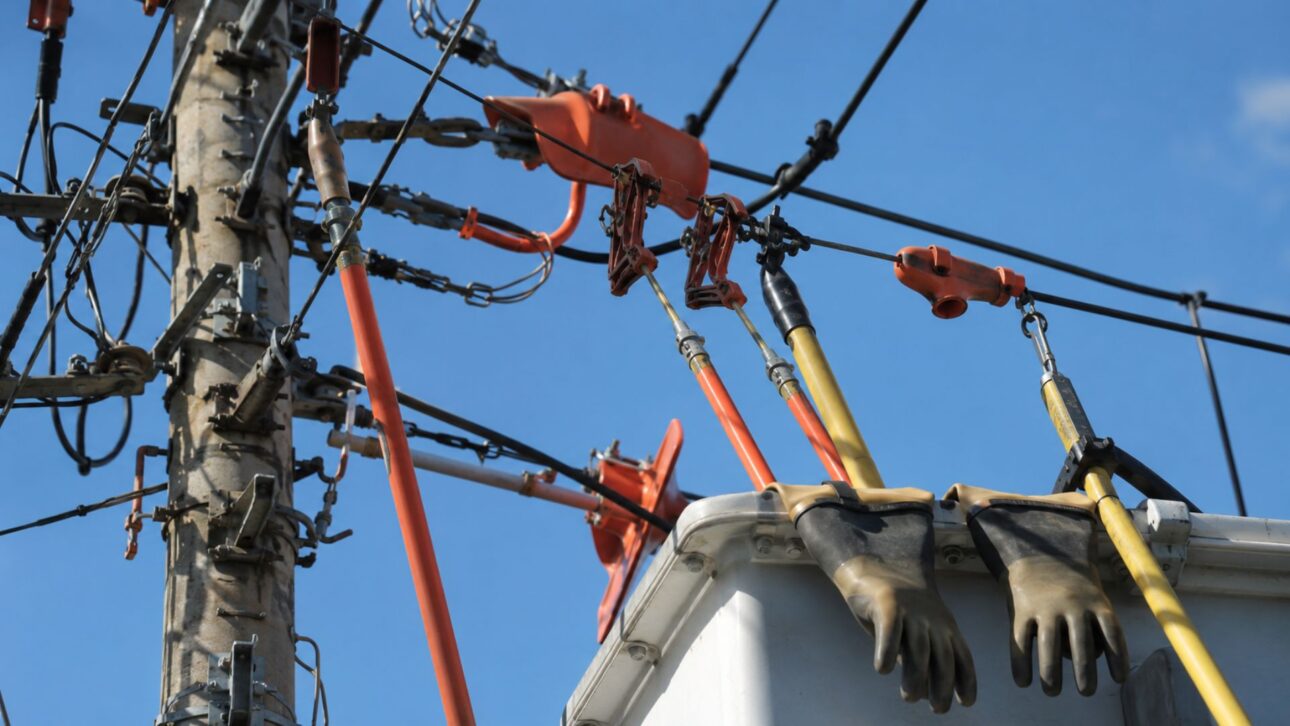
Live line is the maintenance and repair work done with the electrical network energized, that is, without cutting the current.
Instead of turning everything off, the live line electrician operates the cables still under tension, using technique and insulating equipment.
The advantage is not leaving entire neighborhoods without power every time a repair is needed.
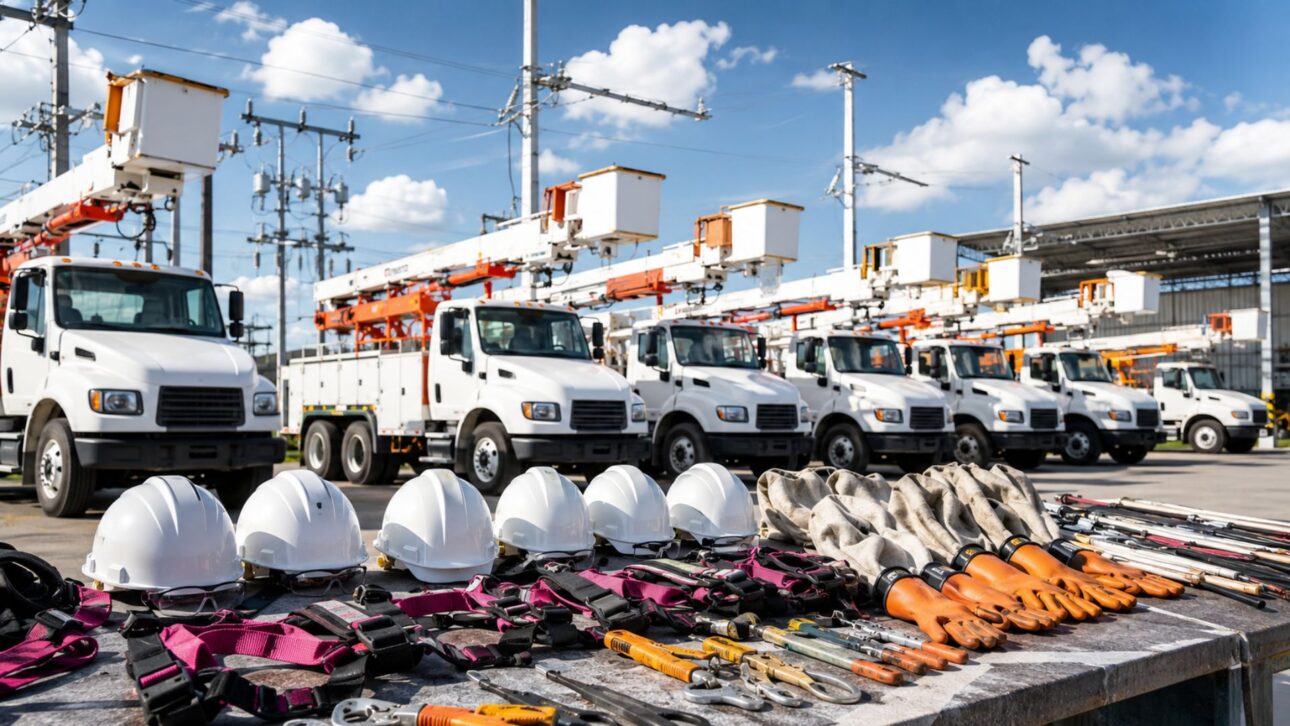
For this, the professional uses gloves, sleeves, and specialized tools, all tested to withstand high voltage.
A single procedural error can be fatal, which is why the live line electrician follows strict protocols with every move.
It is the function where the margin for improvisation is practically zero.
Why live line is the highest risk function in the electrical sector
Two threats combine in the same job.
The first is the height: much of the work takes place at the top of the pole, with the body secured to the safety belt.
The second is the live electricity, which does not forgive distraction or poorly checked equipment.
Therefore, training for live line is long and requires specific certifications, such as safety standards in height and electricity.
Not every electrician reaches this function, and those who do undergo intense training and constant refreshers.
In the organizational chart of the electrical sector, live line is often seen as the technical elite of field operations.
Reaching there at 24 years old, and as a pioneer, gives the real dimension of Beatriz’s achievement.
A woman in a function almost exclusively for men
Historically, field functions in energy have been occupied almost exclusively by men, especially the higher risk ones.
Beatriz broke this barrier by becoming the first woman trained in live line work in Mato Grosso.
She herself has already said that she hopes this number grows, until it becomes common to see women in energy occupying the space.
Being a pioneer has a double weight: besides the technique, there is the pressure to pave the way for those who come after.
Every woman who enters these roles helps to normalize the female presence in a field that resisted it.
The image of a female electrician at the top of the pole is, in itself, a message to other candidates.
Energisa and the Opening for Women in Energy
Beatriz’s case connects to a larger movement within the company.
According to Energisa, the company formed the first class of female electricians in Mato Grosso.
The initiative aims precisely to increase the presence of women in energy in technical roles, not just administrative ones.
Energisa is the largest private group in the Brazilian electric sector, with over 16,000 employees and more than 20 million customers.
Training programs like this open up positions and qualify candidates who previously did not see space in the field.
Bringing more women into energy also addresses a real need for qualified labor in the electric sector.
For the company, diversity and operation go hand in hand in this strategy.
Why This Matters for the Electric Sector
The story has an effect that goes beyond an individual achievement.
The electric sector faces growing demand and needs people prepared to keep the network running.
Opening technical roles for women in energy effectively doubles the talent pool available.
Representation also matters: seeing a woman in live line work changes what girls imagine is possible.
In regions like Mato Grosso, where the network is extensive, each qualified electrician makes a difference in service.
The more diverse the electric sector, the more it can recruit and retain those who truly want the career.
Beatriz’s pioneering, in this sense, is both a symbol and a practical solution.
What Beatriz’s Case Shows
Her journey well summarizes how barriers fall when preparation meets opportunity.
Beatriz shows that the most risky function in energy can also be occupied by a 24-year-old woman.
But it’s worth keeping your feet on the ground.
Being the first in the state’s history is a symbolic milestone, but it still reveals how closed the sector was.
A pioneer alone does not solve gender inequality in field roles, which remains significant.
And the risk of the work is real: live line requires continuous training and absolute respect for safety standards.
Even so, few cases summarize so well the advancement of women in energy within the Brazilian electric sector.
From meter reader to live line electrician, Beatriz turned an entry-level position into a cutting-edge career.
And you, did you imagine that the highest risk function in the electrical grid could be done by a 24-year-old woman? Comment here if you think we will see more and more women in energy in field teams.


