Portuguese
  Spanish


UFLA Uses Coffee Husk to Generate Biofuel, Boosting Renewable Energy Use and Opening New Sustainable Opportunities for Brazilian Agribusiness
Researchers from the Federal University of Lavras (UFLA) announced a significant advance in the transformation of agro-industrial waste into biofuel, according to a report released this Monday (20) by G1.
The study, coordinated by Professor Thiago Protásio, reveals that coffee bean husks can be reused to generate renewable energy, offering a sustainable solution for the national agribusiness.
How UFLA Transformed Coffee Husk into Biofuel?
This discovery represents a milestone in the valorization of agricultural by-products, especially in producing regions like the South of Minas Gerais, where coffee is one of the main crops.
-
H2A to Invest $570 Million in 22 Biomethane Plants in Brazil, Converting Agricultural Waste into 700 Tons of Renewable Fuel Daily

-
Brazil to Introduce B16 Diesel with Increased Soybean Oil Content for Trucks by 2026
-
Brazil Advances with JetBio’s Megaproject to Build the World’s Largest Ethanol-Based Sustainable Aviation Fuel Plant, Aiming to Become a Global Exporter

-
Brazil on Track for Record 40.7 Billion Liters of Ethanol in 2026/27 Season, Driven by Corn Ethanol


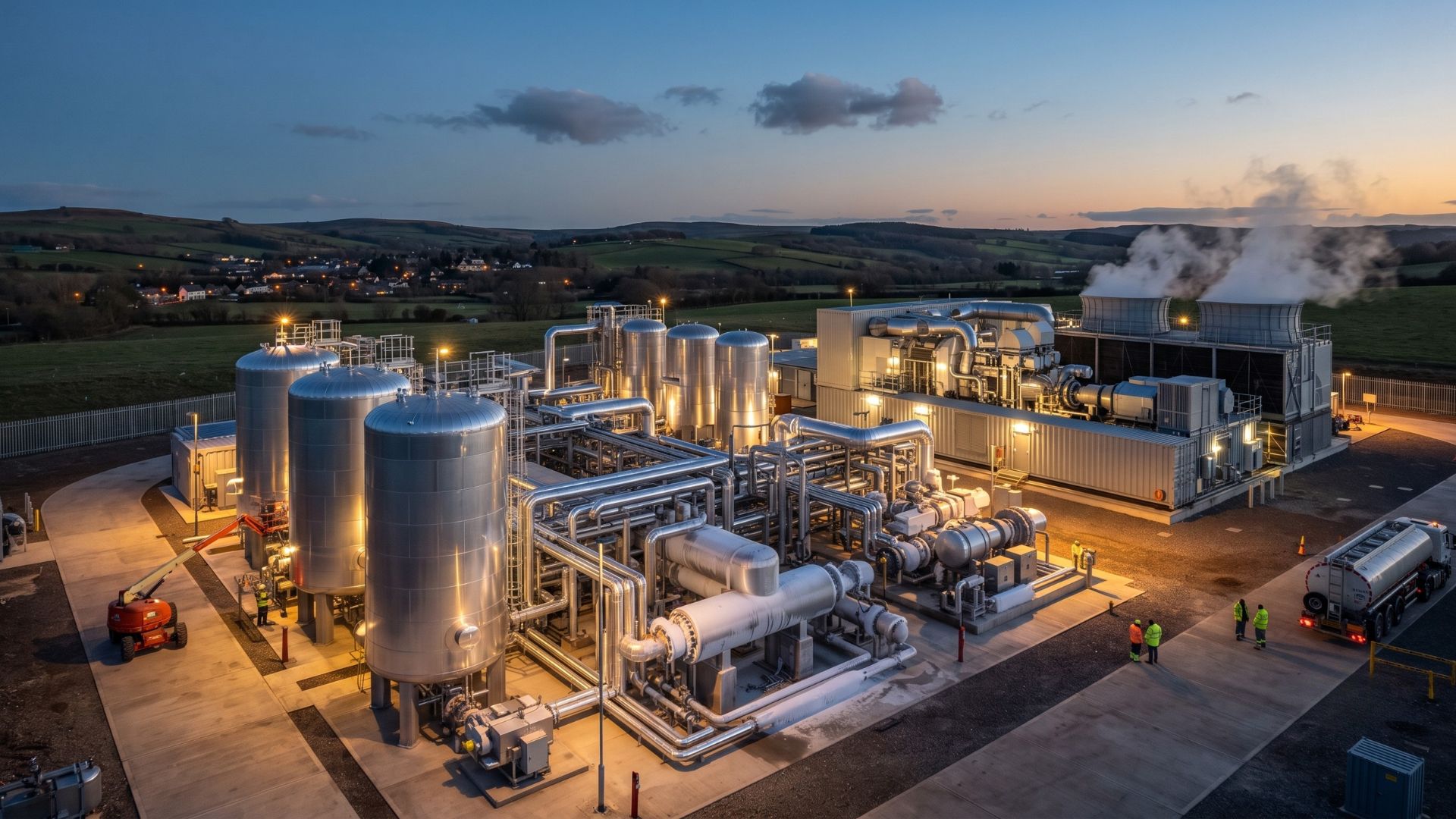
The UFLA research utilized pelletization techniques — a biomass compression process — to produce pellets, small solid cylinders that function as biofuel.
These pellets have high calorific value and can be used in boilers, furnaces, and heating systems, replacing fossil fuels like coal and diesel.
The study primarily focused on reducing agricultural waste, promoting the reuse of residues that had hitherto been discarded or used in a limited manner.
Benefits of Coffee Husk Pelletization
- High energy density: pellets have a greater concentration of energy per volume.
- Ease of transport and storage: compact and uniform shape.
- Low pollutant emissions: cleaner alternative compared to fossil fuels.
- Potential for use in farms and industries.
- Reduction of dependence on fossil fuels.
Coffee Husk: From Waste to Energy Resource
The coffee husk is an abundant by-product in the Brazilian production chain. According to data from Embrapa, Brazil produces about 3 million tons of coffee per year, generating thousands of tons of waste such as husks and grounds.
Traditionally, these residues are used as fertilizer or discarded, but their energy potential has been underestimated. Transforming coffee husk into biofuel is a smart and ecological solution.
In addition to reducing environmental impact, this practice adds value to production and opens new business opportunities for rural producers and cooperatives.
Renewable Energy and Circular Economy in Agriculture
The UFLA proposal aligns with the principles of the circular economy, which aims to reuse resources and minimize waste. By converting residues into renewable energy, Brazilian agribusiness takes an important step towards sustainability.
This initiative strengthens the energy autonomy of rural properties, allowing producers to use their own waste as a source of heat and electricity. This reduces operational costs and reliance on external fuels.
Positive Impacts for Agribusiness
- Reduction of energy costs.
- Valorization of agricultural residues.
- Lower greenhouse gas emissions.
- Increased competitiveness in the international market.
- Encouragement of innovation in the rural sector.
Data and Projections on Biofuel in Brazil
According to the Ministry of Mines and Energy, Brazil is already a global reference in renewable energy, with over 80% of the electricity matrix composed of clean sources. Biomass represents about 9% of this matrix, with the agricultural sector being one of the main suppliers.
With the adoption of technologies such as the pelletization of coffee husk, this percentage is expected to grow. Estimates indicate that the reuse of agricultural residues could generate up to 20% of the energy consumed in the field, contributing to climate goals and sustainable development.
Moreover, the National Energy Plan anticipates increasing investments in alternative sources, particularly biofuel derived from agro-industrial waste.
According to the National Energy Plan – PNE 2030, there is an expectation of significant growth in energy production from biomass, with projections indicating an expansion of over 30% in some scenarios.
UFLA as a Reference in Agroenergetic Research
The Federal University of Lavras has stood out for its research aimed at sustainability in agribusiness. The study led by Thiago Protásio is just one of the projects aimed at transforming the sector through science.
UFLA reinforces its role as an agent of innovation and social transformation. With equipped laboratories and international partnerships, the institution contributes to the technological and environmental advancement of Brazil.
The university also plays a role in training qualified professionals to deal with the challenges of the energy transition, promoting courses, seminars, and scientific publications that disseminate knowledge about biofuels and renewable energy.
Global Potential of Coffee Husk as Biofuel
The model developed by UFLA can be replicated in other coffee-producing countries such as Colombia, Ethiopia, and Vietnam. The export of Brazilian technology and know-how strengthens the country’s image as a leader in sustainable solutions.
Coffee husk is no longer a problem but becomes a global opportunity. Companies interested in reducing their carbon footprint can invest in biofuels derived from agricultural waste, expanding the market and generating green jobs.
Additionally, Brazil could become a supplier of coffee husk pellets to countries that do not yet have the infrastructure for local production, creating a new high-value export chain.
Paths to Implementation in Agribusiness
For the technology to reach producers, investment in infrastructure and training is necessary. The establishment of pelletization units on farms or cooperatives can be facilitated through government programs and tax incentives.
Widespread adoption depends on public policies and technical support. The involvement of institutions such as Embrapa, Sebrae, and development banks is essential to democratize access to innovation.
Furthermore, it is crucial that producers have access to clear information about the economic and environmental benefits of using coffee husk as biofuel. Educational campaigns and practical demonstrations can accelerate the adoption of the technology.
UFLA Innovation: The Future of Renewable Energy in Agriculture
The UFLA study marks a silent revolution in Brazilian agribusiness. By transforming coffee husk into biofuel, researchers have paved the way for a more sustainable, efficient production aligned with the climate challenges of the 21st century.
This innovation combines science, sustainability, and economic development. The reuse of agricultural waste as a source of renewable energy strengthens Brazil as a green power and inspires new production models.
The future of agribusiness lies in valuing what was once discarded. And the coffee husk is now a symbol of this transformation.