






 Portuguese
  Spanish
  3 min of reading
  0 comments


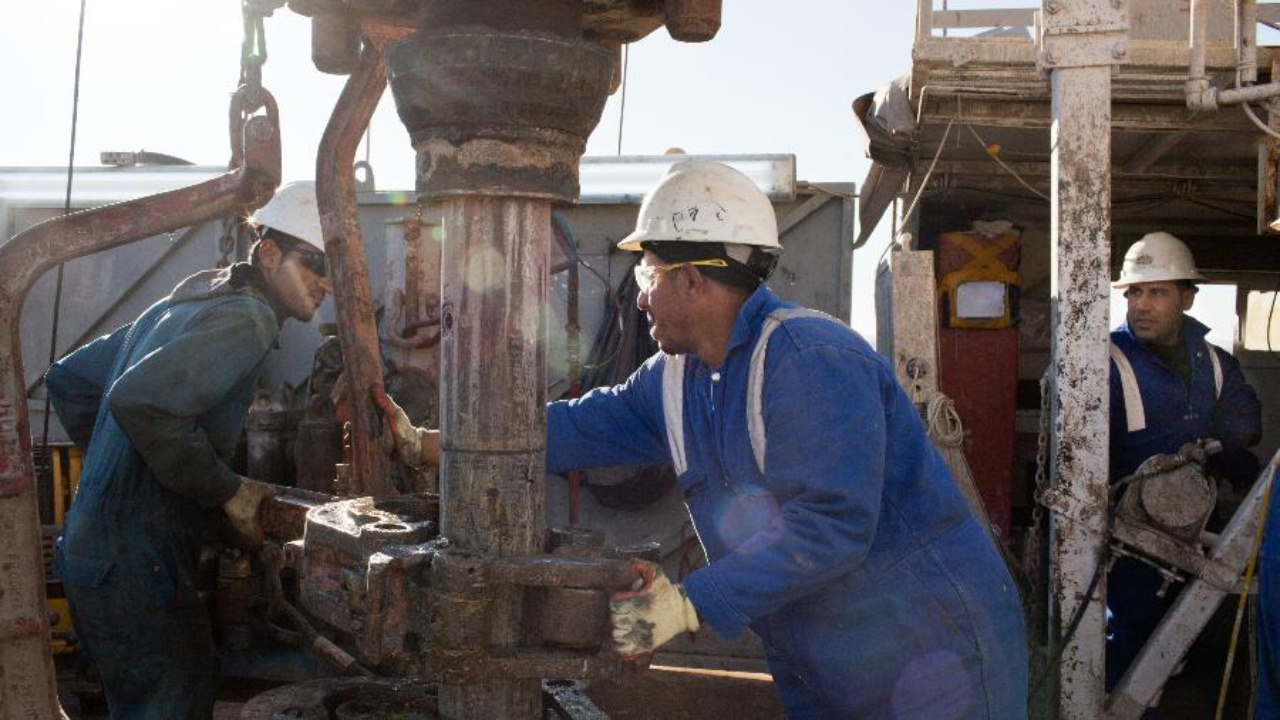
The Return of Kurdistan Oil Exports via Pipeline to Turkey Increases Global Supply, Drives Prices Down, and Could Transform Geopolitical Balance in Energy Sector.
The international oil market is facing a new price shock, as reported this Tuesday, the 30th. After more than two years suspended, the flow of barrels from the Iraqi Kurdistan has resumed through the pipeline linking the region to the port of Ceyhan, Turkey.
The suspension of exports began in September 2023 and was directly related to the attempts of the Kurdistan Regional Government (KRG) to expand its autonomy from Baghdad. Before the halt, the region was responsible for sending approximately 450,000 barrels of oil per day, a significant production that is now returning to the saturated market.
Legal Dispute Between Iraq and Turkey Blocked Oil Exports
The crisis originated in 2014, when the Iraqi government decided to close the pipeline. Baghdad accused Turkey of violating an agreement by negotiating directly with the KRG, without the authorization of the Iraqi state-owned company.
-
Oil production grows in Rio, but reserve replacement raises a warning sign

-
Petrobras is expected to complete the drilling of the Morpho well in the Foz do Amazonas in August 2026, the first well in the Equatorial Margin, an oil frontier that the ANP estimates at more than 30 billion barrels and could redraw the map of Brazil.

-
Oil returns to the center of concerns with tension between the US and Iran

-
IEA reduces forecast for global oil demand in 2026 after impacts of the Middle East crisis



The impasse went to the International Chamber of Commerce, which ruled in favor of Iraq. The decision forced Turkey to halt the flow and also to pay US$ 1.5 billion in compensation for exports deemed illegal.
This context explains why the current resumption represents a milestone. Now, oil extracted in Kurdistan is once again being exported under the direct responsibility of the Iraqi state-owned company, in a rare understanding between the central government and the Kurds.
Iraq’s Oil Production Gains Boost
With the return of the pipeline, Iraq is expected to increase its export capacity. According to the Undersecretary of the Ministry of Oil, Bassem Mohamed, the country could reach 3.6 million barrels daily in a few days.
The agreement includes eight oil companies operating in the Kurdish region, all aligned with the new joint strategy. For experts, this recomposition of production should enhance Iraq’s relevance as one of the major oil suppliers in the international scene.
OPEC+ Expands Supply and Strengthens Price Decline
The resumption of Kurdish oil comes precisely at a time of greater flexibility in global production. OPEC+ had already decided to raise quotas since April, with an increase of over 2.5 million barrels per day, equivalent to 2.4% of global demand.
The market’s expectation is that, in the meeting scheduled for October 5th, the cartel will approve a new increase, close to 137,000 barrels daily. This movement further pressures prices, which have been operating between US$ 60 and US$ 70 per barrel.
Another factor weighing on prices is the war in Gaza. Armed conflicts tend to restrict oil exports in the Middle East. Thus, the possibility of a peace agreement could further release supply, increasing downward pressure on prices.
According to information from Bloomberg, U.S. President Donald Trump presented a proposal to end the conflict after talks with leaders from Israel and Qatar. The plan stipulates that Hamas would have no role in Gaza’s future, something that depends on the acceptance of the fundamentalist group.
Trump stated that if the proposal is rejected, Israeli Prime Minister Benjamin Netanyahu will have “full support” from the U.S. to take military action against Hamas. This diplomatic maneuver adds uncertainty to the market but reinforces the trend that global oil supply will become even larger.




Be the first to react!