






 Portuguese
  Spanish




Stellantis CEO Recently Claimed That The ‘Electric Car Is Not The Solution For The Future’. Despite Having Numerous Electric Cars In Its Brand, The Executive Shows Concern For The Future.
The electric car is seen as a promising solution to eliminate carbon emissions and, consequently, make the world a more sustainable place for everyone. However, even the leading industry figures who are at the forefront of electrification efforts have their reservations. Carlos Tavares, Stellantis CEO, highlighted during his participation in the Freedom of Mobility Forum that significant challenges remain to be overcome, especially regarding batteries.
Check All The Details About The Positioning Of Stellantis CEO
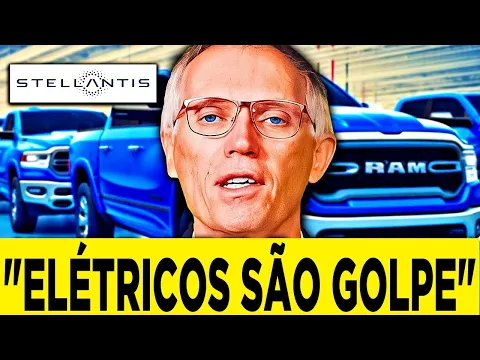

On that occasion, the CEO of Stellantis expressed his thoughts on the future of the world with the electric car. The executive pointed out that it is necessary to move away from a dogmatic thinking that it is good for everyone and does not believe that this (electrification) will work.
According to him, the current battery electric cars may be a solution for some of our societies. At the same conference, Tavares also stated that the batteries of electric cars need a significant advancement in terms of chemistry to reduce their weight by half in the next decade.
-
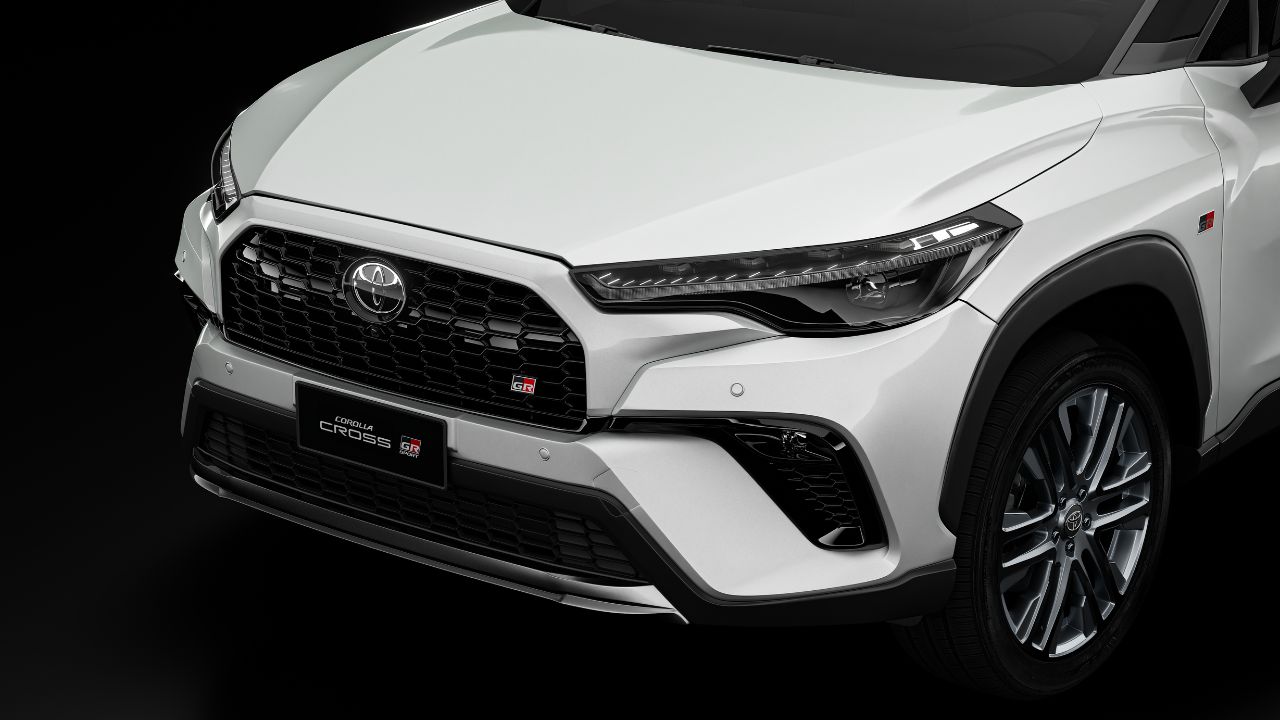
2027 Toyota Corolla Cross Unveiled: New Design, Enhanced Fuel Efficiency, Reduced Maintenance Costs, Advanced Technology, Connected Services, and Up to 10-Year Warranty

-
Fiat Cronos Precision 2018: Affordable Sedan with Spacious Trunk and Reliable Maintenance
-
Volkswagen to Cut Production by 1 Million Cars by 2030, Reducing Jobs and Platforms, Focusing on More Profitable Models

-
Toyota Launches First 100% Electric Car in Brazil: bZ4X with 343 HP, All-Wheel Drive, 361 km Range, Priced at $419,990 BRL, Limited to 99 Units



For him, the approximately 500 kg of raw materials currently needed to create a battery for an electric car does not seem like a very reasonable outcome from an environmental perspective. The industry, based on new chemical products, needs to achieve, in the next decade, an advancement in terms of power density of the cells, in order to reduce by at least 50% the weight and use of raw materials of electric cars, according to the executive, admitting that this “is progressing.”
Stellantis Announces Billion-Dollar Investment Focused On Hybrid Cars
Although there are electric cars spread around the world, such as the Fiat 500e, Stellantis has long been demonstrating its interest in the low-emission hybrid engine.
In March, the brand announced a R$ 30 billion investment in Brazil for the production of flex hybrid and electric cars in the country, money that will be invested in the 40 new launches of the brand until 2030 and also in the development of new global bio-hybrid platforms. Although electric vehicles were mentioned, they are still not the focus of the brand.
According to the CEO of Stellantis, manufacturers are cutting vehicle prices very quickly, which poses a risk to the industry. In the executive’s opinion, the price reductions at the beginning of the year may overlook the reality of costs. Tavares, who leads the group that owns brands such as Peugeot, Fiat, and Jeep, claims that it will be a race to the bottom and it will end in bloodshed.
Risk Of Price Cuts On Electric Cars
The statements come after price-cutting movements in the segment. In 2023, Tesla cut prices on some of its models. As a result, sales increased and the company managed to expand its market share.
According to Tavares, without mentioning Tesla or any other company, there is a company that has brutally cut prices and its profitability has collapsed dramatically. When that happens, you jump into a red ocean. When that happens, things become much more difficult in the future.
Tavares stated that companies that lose a lot of money with this strategy become potential targets. Valued at over US$ 669 billion, Tesla is certainly not the target of Stellantis. On the other hand, startups like Lordstown, Proterra, and Electric Last Mile Solutions have already filed for bankruptcy protection.
Major automakers also face problems with electric cars, and in January, Ford informed the market that it would reduce production of the F-150 Lightning, the electric engine version of the popular pickup truck.








