Portuguese
  Spanish


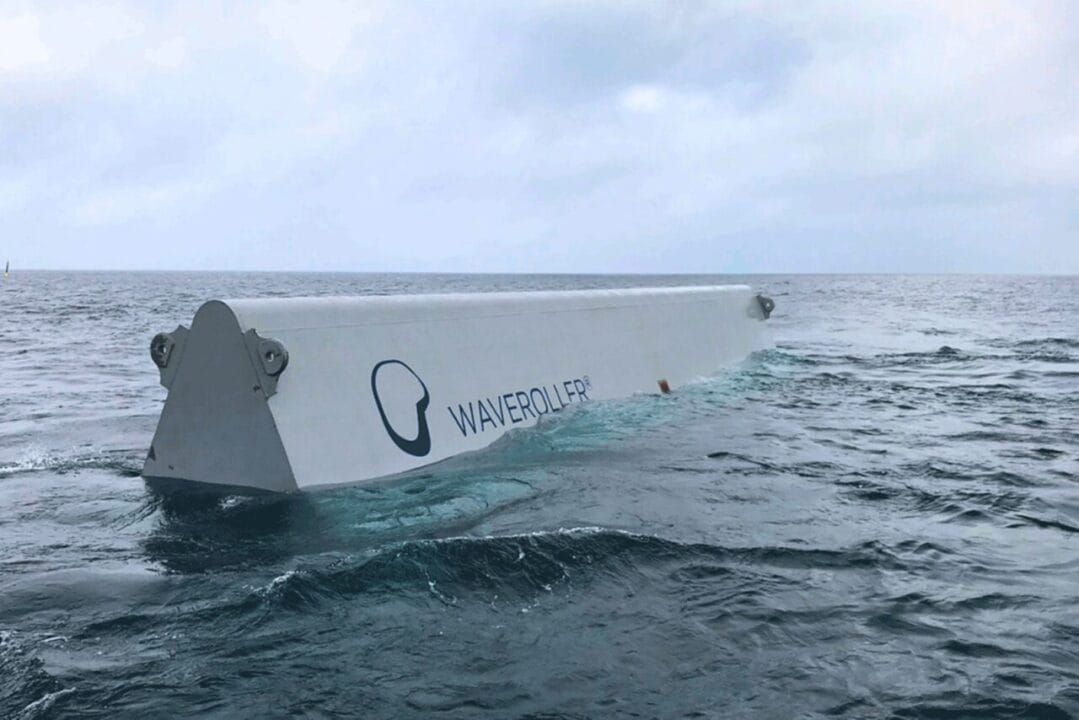


The Secret Of Infinite Energy Has Been Revealed: The Movement Of Waves. AW-Energy Leads With The WaveRoller, Transforming The Ocean Into A Renewable Electric Source
The discovery of infinite energy is truly a revolution, but the fact that it requires going to the bottom of the sea to obtain it is a problem. The concept of ‘infinite energy’ is indeed intriguing, and we have heard about it in other projects, such as alternative fuels. Given the constant need for electricity to carry out daily activities, this concept has taken root in the imagination of many energy sector enthusiasts.
They envision the possibility of finding this perfect energy source that never runs out. However, many have found themselves at a dead end. According to the laws of thermodynamics, energy cannot be created or destroyed, only transformed from one form to another. In other words, it ‘moves’ from one form to another.
Some scientists have flirted with the idea of achieving this inexhaustible energy, proposing bold ideas for obtaining electricity from sources presented as eternal. Today, we present one of them that promises what many consider impossible, but will we be able to achieve what others have already discarded?
-
Brazilian scientists are simultaneously advancing two research projects on clean hydrogen and driving solutions that could transform the energy matrix, enhance industrial competitiveness, and accelerate large-scale emission reduction targets.

-
Advancement in renewable energy: A R$ 150 million project launched by Petrobras and Finep aims to create state-of-the-art electrolyzers for green hydrogen, strengthening national research and preparing Brazil to compete in a billion-dollar energy market.
-
Illiterate or semi-literate grandmothers were trained to repair solar systems, open rural workshops, and light up homes that still depended on kerosene.
-
The world has bet on green hydrogen as the fuel of the future, but now faces the side effect: producing 1 kilogram requires about 9 liters of ultrapure water, and the largest projects on the planet are precisely in the driest regions of the Earth, where water is already scarce for people.




Is Infinite Energy At The Bottom Of The Sea?
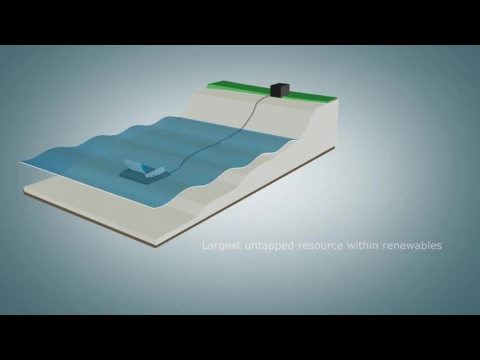
The infinite energy located at the bottom of the sea that we refer to is wave energy, also known as wave power. It is generated by harnessing the movement of waves, being considered a sustainable energy source with incredible potential, as there are waves in all the seas and coastlines of the world.
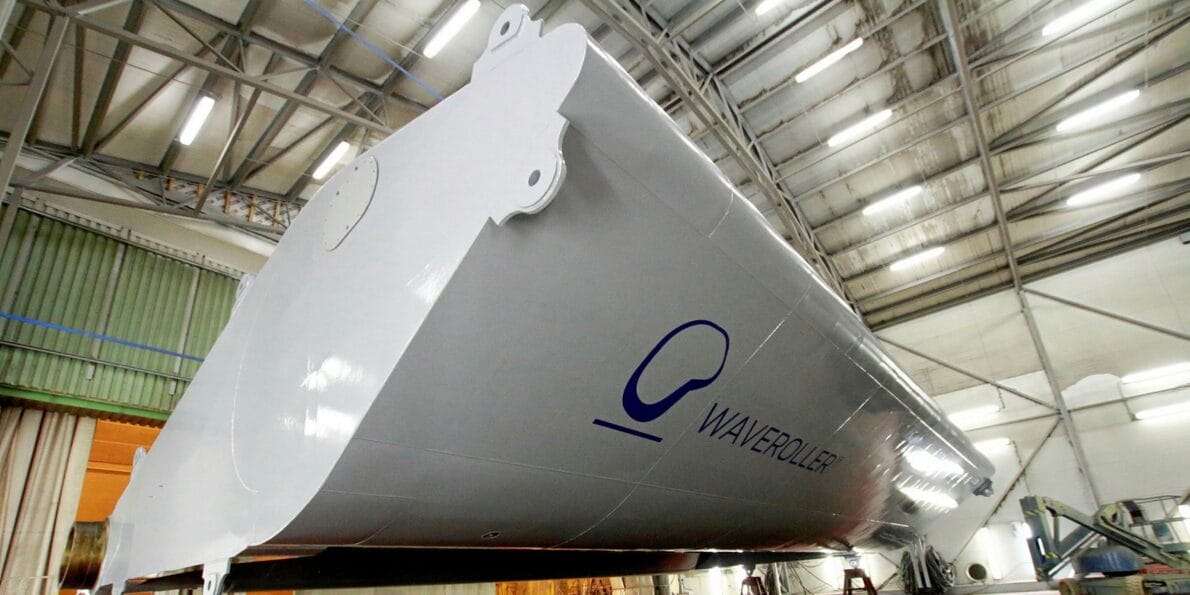
There are a large number of projects taking advantage of this. A clear example is the Finnish company AW-Energy and its initiative called “WaveRoller”, which uses waves to generate electricity in large quantities. This technology is installed between 8 and 20 meters below the sea, keeping it anchored to the seabed.
This technology has been materialized in a device that can be fully or partially submerged depending on the tidal conditions of the location where it is placed. The expected effect that the waves will have on the device is also taken into account.
AW-Energy received support from the WaveFarm project, funded by the European Union, to expand its production on an industrial scale. This initiative has propelled the company to adapt the WaveRoller unit and related procedures for mass production and the installation of multiple WaveRoller units in conjunction with the WaveFarm.
The Sea Hides The Solution
The sea has become a very appealing resource for electricity production, seen by experts as the ‘cradle’ of infinite energy. In fact, there is another type of energy that also attracts attention and comes from the sea: tidal energy.
The main difference between them lies in the source of production of each. When we talk about tidal energy, we refer to harnessing the tides, while when we talk about wave energy, we refer to the movement of ocean waves.
It is worth noting that tidal energy uses the force generated by the tides and has several installations around the world. On the other hand, tidal energy installations are located on coastlines or in deep areas. It is especially harnessed in areas with large differences in height between the tides, such as Canada, France, and South Korea.
In contrast, wave energy can be explored in any coastal area that has the presence of ocean waves, such as Brazil, Portugal, Scotland, or Australia. Both energy sources have considerable potential, but their efficiency depends on several factors, such as local conditions, the technology used, and the investment in infrastructure.