





 Portuguese
  English
  Spanish
  3 min of reading
  0 comments


A New Technology Promises to Revolutionize the Solar Energy Sector, Enabling Solar Panels to Generate Electricity Even at Night
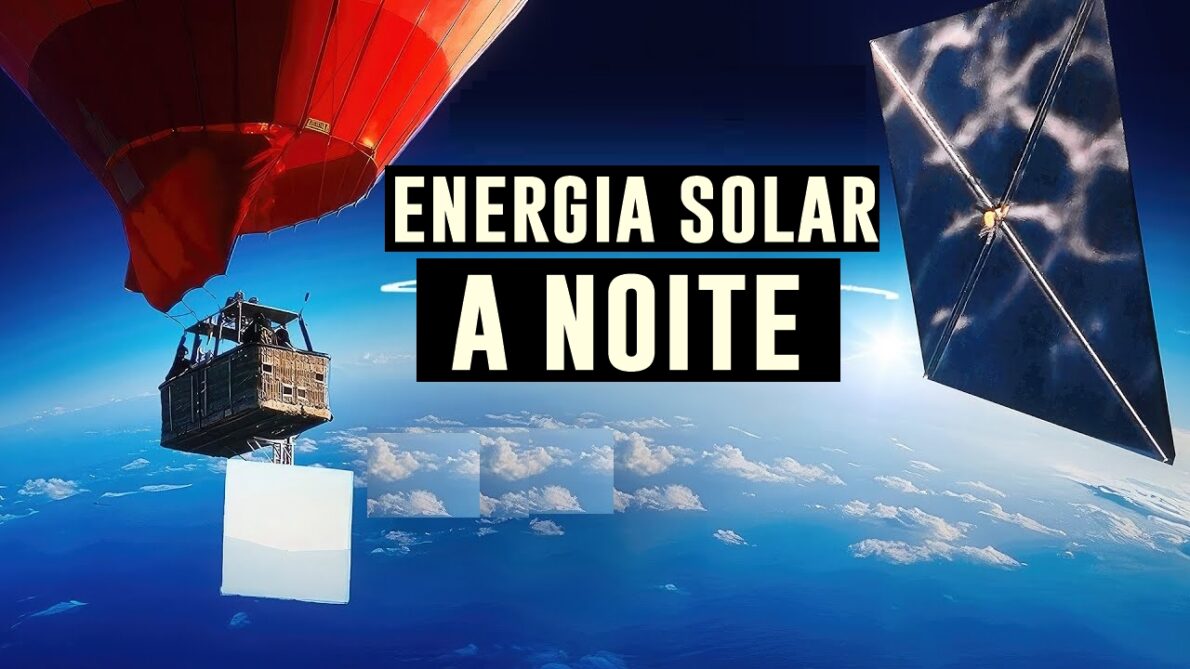
The startup Reflect Orbital is about to achieve an unprecedented feat in the solar energy industry: making solar panels work even at night. The company, led by Ben Nowack, is developing an ambitious project that aims to launch a constellation of mirrored satellites to reflect sunlight onto photovoltaic plants even after sunset. The goal is to increase renewable electricity production, addressing one of the main obstacles of solar energy – reliance on daylight.
The first prototype of this innovative technology is scheduled to be sent into space next year. According to the company, an initial experiment has already been successfully conducted using a hot air balloon equipped with a giant mirror.
Reflect Orbital plans to use mylar mirrors, a plastic material commonly used in space blankets, to direct sunlight to specific areas of the Earth. This approach, if successful, promises to transform solar energy production worldwide.
-
Africa has about 500,000 cell towers and most still burn diesel to operate, while companies rush to cover antennas with solar energy and avoid signal blackouts.

-
Farmers swapped diesel for solar panels in Pakistan, powered irrigation pumps almost cost-free, expanded rice fields, and now groundwater has become a red alert in the countryside.
-
NGO opens slots for free solar energy course exclusively for women in São Gonçalo
-
How much does it cost to install solar energy at home in 2026? This method of generating energy attracts attention for allowing a reduction in electricity expenses and an estimated financial return between four and seven years, with residential systems costing between R$ 15,000 and R$ 28,000.






Global Expansion of Solar Energy
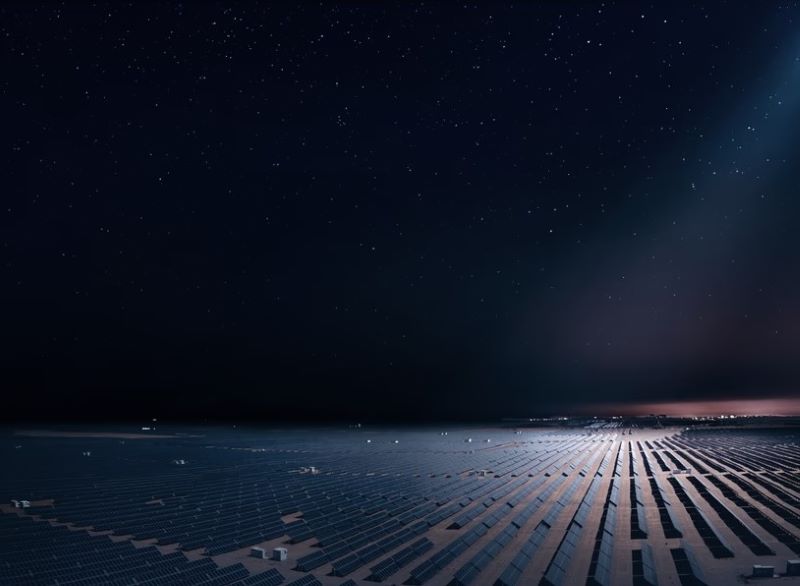
With the growing demand for renewable energy sources, the technology proposed by Reflect Orbital could have a significant impact on the sector. In recent years, photovoltaic panels have become popular among consumers and businesses seeking alternatives to reduce electricity costs and avoid frequent increases from distributors. The startup intends to leverage this trend by allowing solar panels to continue generating energy even at night.
Reflect Orbital’s plan involves placing 57 small satellites in synchronous orbit with the Sun, about 600 kilometers above the Earth. Each satellite, weighing only 16 kg and measuring 9.9 by 9.9 meters, will be equipped with mylar mirrors to reflect sunlight.
As the planet rotates, these satellites would pass over every point on Earth twice a day, extending solar energy generation by up to 30 minutes daily.
For customers, the usage process will be simple: just access the Reflect Orbital website, enter the coordinates of the solar panel, and the company will take care of the rest, directing sunlight to the chosen location.
Technical and Environmental Challenges
Although Reflect Orbital’s proposal is innovative, its economic and technical viability raises questions. The cost of placing a constellation of satellites in orbit is high, and the company would need to launch at least 57 satellites to meet the demand of various customers around the world.
Moreover, the introduction of so many satellites could increase the problem of space debris, a growing concern as the space around Earth becomes more crowded.
Another point of discussion is the potential climate and ecological repercussions of the project. Reflected sunlight directed to Earth at night could affect nocturnal ecosystems and human health. Light pollution is already a known issue, interfering with the circadian cycles of animals and people, and the introduction of this technology could exacerbate these effects.
It remains unclear what the global consequences of this initiative would be in terms of climate change or impact on wildlife.









Be the first to react!