Portuguese
  Spanish


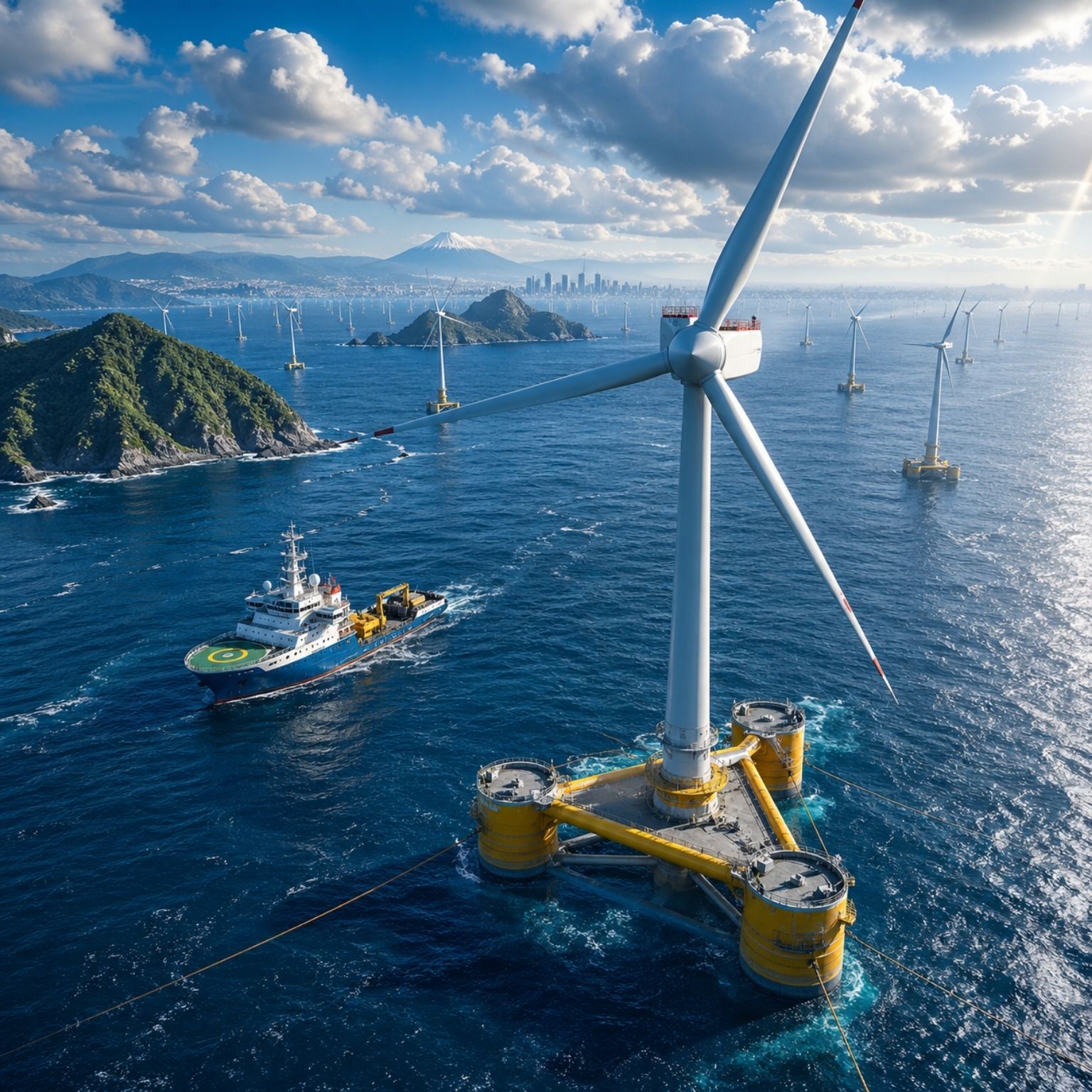
With a generation potential that far exceeds all the wind capacity already installed in the country, Rio Grande do Sul stands out in the development of offshore energy along its coast and lagoons.
Rio Grande do Sul, which was a pioneer in the development of wind energy in Brazil with the Osório park about 15 years ago, is once again positioning itself at the forefront. The state is generating great interest in the new frontier of energy generation, the exploration of winds along the coastline and in the lagoons, known as offshore energy.
The Pioneering Potential of Rio Grande do Sul in Offshore Generation
Offshore energy generation offers significant advantages. The main one is a space free from natural obstacles. This allows the winds to be harnessed much more efficiently. Rio Grande do Sul, which already has a history of pioneering, is now exploring this new energy horizon.
Impressive Numbers of the Gigantic Gaucho Potential
The state’s potential is immense. According to the wind atlas of Rio Grande do Sul, the offshore energy production capacity in the gaucho sea is approximately 80.3 GW. To give an idea of the magnitude of this opportunity, the total installed onshore wind energy capacity in Brazil today is about 31 GW, according to Aneel.
-
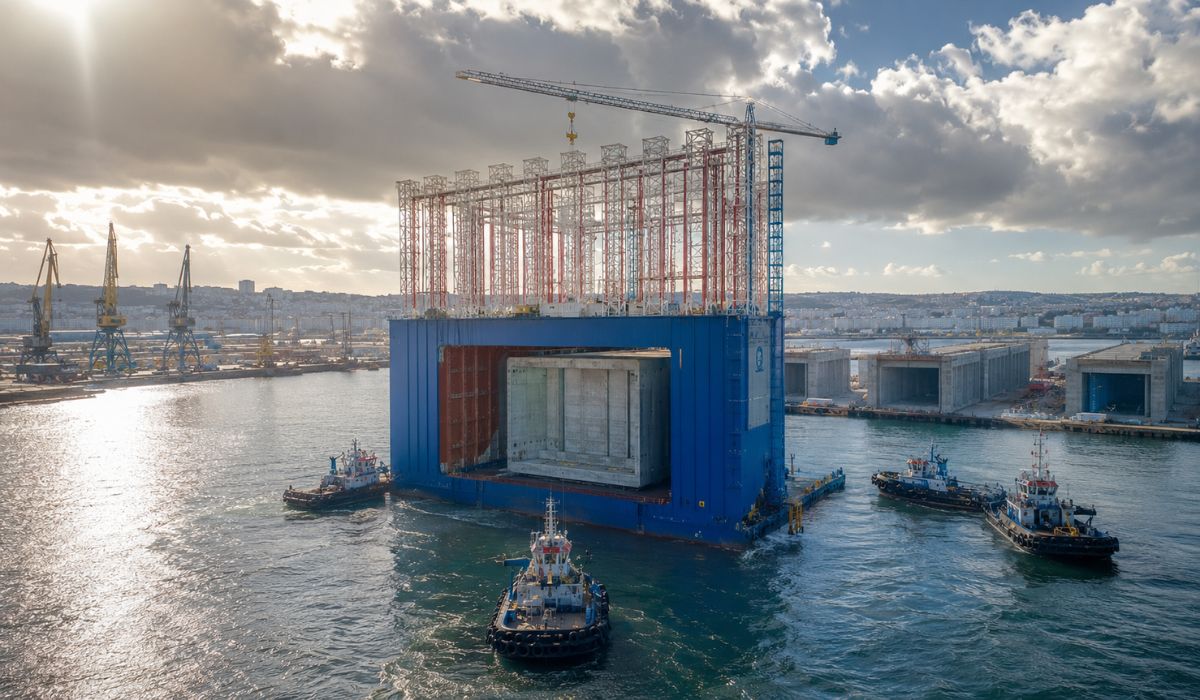
A 24,200-ton oil platform is removed from the North Sea in just 10 seconds and taken to be scrapped on land, in an operation where more than 97% of the Brent Delta structure was reused or recycled.

-
Ocyan takes AI and data to the FPSO Brazil Congress 2026 to showcase how digital technologies can enhance safety, integrity, and performance in next-generation FPSOs.

-
Sodexo debuts unique maritime hospitality on Seagems ship to transform the well-being, food, and comfort of offshore professionals.

-
European ship will transport captured CO₂ to be stored under the North Sea as the Greensand project prepares the first industrial offshore storage in the European Union to operate in 2026 with an initial target of 400,000 tons per year in Denmark.



This gaucho capacity was calculated considering winds at 100 meters high and water depths of up to 50 meters. The state’s coastline, which stretches over 600 kilometers, could generate an estimated energy production of 305 TWh/year. Besides the ocean, the potential in the lagoons is equally remarkable. Lagoa dos Patos can generate up to 24.5 GW, Lagoa Mirim 7.3 GW, and Lagoa Mangueira 2.1 GW.
Regulatory Framework and Analyzing Projects Boost the Sector
The interest in offshore energy in the country gained strength with the introduction of Bill 576/2021. The proposal, authored by Senator Jean Paul Prates (PT-RN), aims to regulate authorization for energy utilization at sea.
Guilherme Sari, president of Sindienergia-RS, emphasizes the importance of the initiative but notes that “it is necessary to detail and improve issues such as how the environmental licensing of these ventures will be conducted.”
Currently, there are already 20 offshore wind energy projects under consideration at Ibama. Together, they total more than 42 GW of capacity. Rio Grande do Sul accounts for more than 25% of this total, with 11.4 GW in submitted projects.
The Strategic Advantages of Nearshore Generation in Lagoons
In addition to ocean exploration, wind generation in the gaucho lagoons, known as “nearshore,” presents important facilitators. Operating in a lagoon has a simpler engineering due to the shallower depth. Equipment wear and tear is also reduced, as there is not the same salinity as in the ocean.
Other advantages include proximity to the existing energy transmission infrastructure. The environmental licensing process also tends to be less complex, as it does not involve sensitive aquatic mammals like whales.
Lower Costs and More Agility for the Energy Future
These strategic advantages of the “nearshore” model result in lower investments compared to offshore structures in the ocean. “We have enormous regional potential that we need to make known,” argues Sari.
He points out that discussion about generation in lagoons can be addressed at the state level, as it concerns internal waters. This differs from oceanic issues, which involve multiple federal agents in federal waters, making the process more agile.