






 Portuguese
  Spanish
  2 min of reading


A Flexible Riser Rupture Occurred on the FPSO Cidade de Angra dos Reis, Installed in the Lula Field in the Pre-Salt
A flexible riser from a chartered platform by Petrobras, FPSO Cidade de Angra dos Reis, ruptured on January 21. The riser was responsible for gas injection and was connected to the FPSO. This information was confirmed by the state-owned company and Ibama, according to information from the article published by PetróleoHoje. Brunel Requests Professional for Gas Processing Position in Bahia
Check Also:
- Brazil Creates 644 Thousand Job Vacancies with Contracts in 2019, with 71 Thousand in Construction
- Dois A Engenharia Completes Concrete Works for Wind Farm in Northeast Brazil
- Natural Gas Has Potential to Take On Energy Leadership in the Country, Says Sector Expert
According to Ibama, “there were no significant impacts on the environment, considering the nature of the material spilled into the sea, a mixture of hydrocarbon and CO2 (carbon dioxide).”
-
Petrobras is expected to complete the drilling of the Morpho well in the Foz do Amazonas in August 2026, the first well in the Equatorial Margin, an oil frontier that the ANP estimates at more than 30 billion barrels and could redraw the map of Brazil.

-
Oil returns to the center of concerns with tension between the US and Iran

-
IEA reduces forecast for global oil demand in 2026 after impacts of the Middle East crisis

-
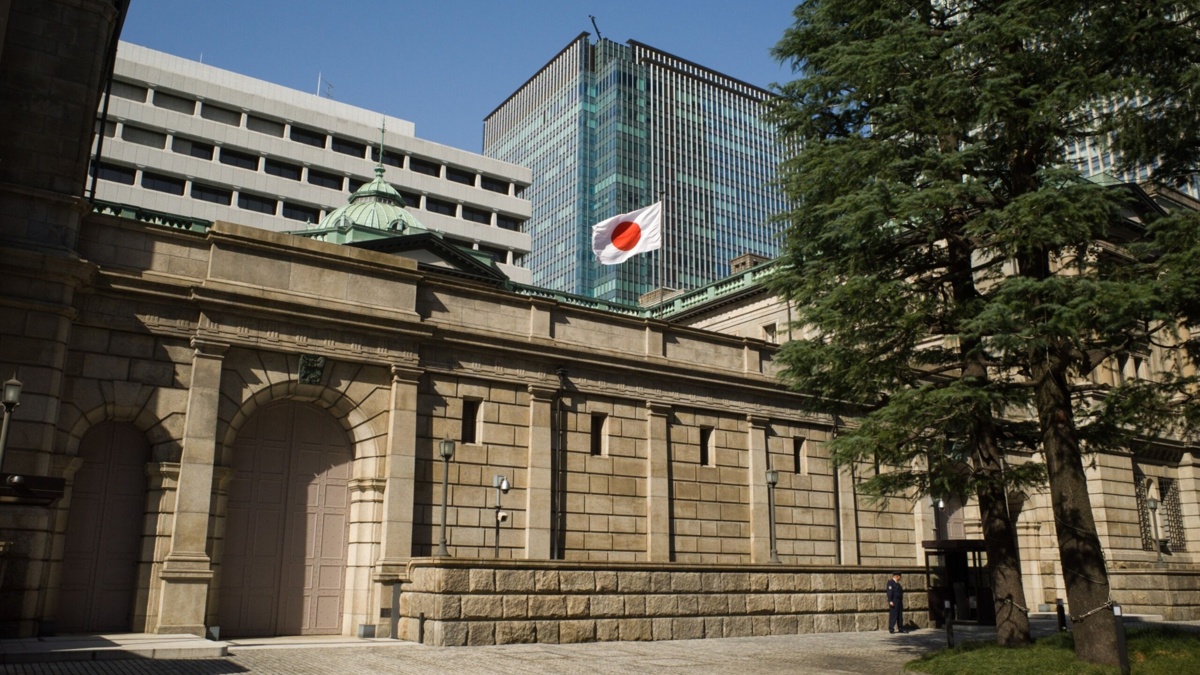
Bank of Japan raises interest rates to 1%, reaching the highest level in over three decades


According to Petrobras, there was no need to halt production and no victims or environmental impact. The company also added that the causes of the incident are still being investigated.
The same incident occurred in 2017 when a pipeline connected to Angra dos Reis also experienced problems (The FPSO currently produces about 80 thousand bopd and 3.5 million m³ of natural gas per day). Additionally, in 2017, one of the equipment manufactured by TechnipFMC showed a failure after being in another pre-salt field, Sapinhoá.
Petrobras and TechnipFMC investigated the case and indicated that the problems were caused by corrosion due to contact with CO2. Following that, what was observed was a return to a hybrid configuration, combining flexible and rigid risers, in the main projects of the oil company, such as Mero, Sépia, and Búzios.






Be the first to react!