






 Portuguese
  Spanish
  3 min of reading
  0 comments


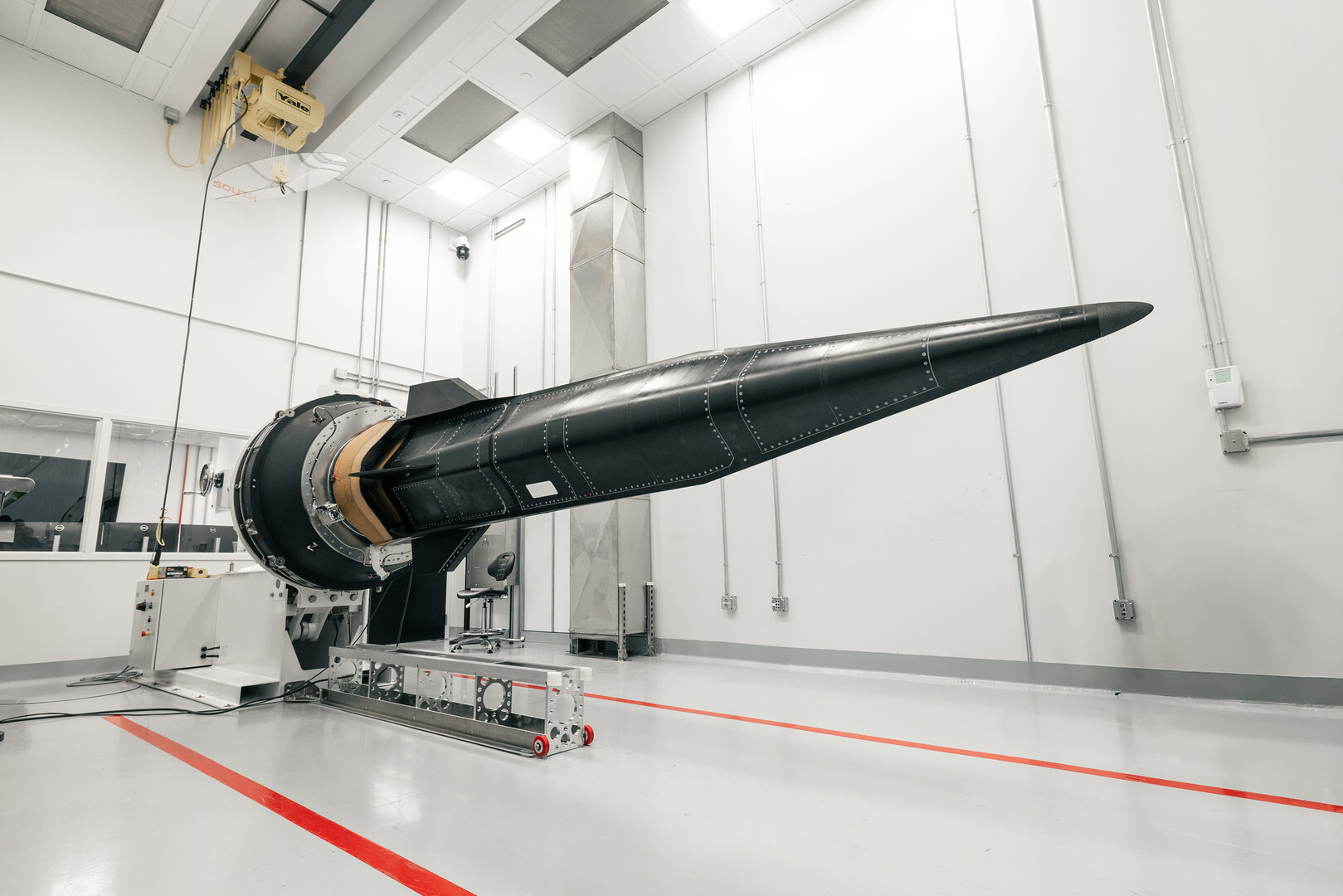
Rocket Lab USA, Inc. signed a strategic agreement of US$ 190 million with the United States Department of Defense to provide launch services dedicated to hypersonic technology testing.
The multi-year contract provides for the use of the suborbital rocket HASTE (Hypersonic Accelerator Suborbital Test Electron), specifically designed for missions requiring extreme speeds and complex trajectories. This partnership aims to accelerate the development of defense and attack systems that operate at speeds exceeding Mach 5.
The role of the HASTE rocket in hypersonic development
The HASTE vehicle is a derivative of the Electron rocket, established by Rocket Lab, but modified to support larger payloads and perform deployment maneuvers at high speeds.
This US$ 190 million contract ensures a regular cadence of launches from Launch Complex 2, located in Virginia, allowing the military to test materials and navigation systems under real flight conditions. The ability to provide rapid and cost-effective flights is seen as a critical differentiator for maintaining U.S. technological competitiveness.
-
FIRJAN’s mega plan of R$ 526.3 billion for Rio de Janeiro aims to revive Brazil’s largest industry, with two-thirds of the investments going to oil and gas.

-
China signals an increase in beef imports, Brazil has already consumed 70% of the 1.106 million ton quota and seeks to renegotiate the tariff that jumps from 12% to 55%, while demand from the US also skyrockets.
-
Food inflation rose 302% in 20 years in Brazil, but the supermarket changed: purchasing power yielded 87% more mortadella and 31% less fruit, and ultra-processed foods took over the cart.
-
Petrobras sells the first batch of 3,800 m³ of aviation fuel made with certified soy, capable of reducing emissions by up to 70%, in an unprecedented project that anticipates the aviation sector’s requirements expected for 2027.



Through HASTE, Rocket Lab offers its customers the flexibility to release payloads at various altitudes and speeds, simulating the thermal and aerodynamic environments faced by advanced missiles and aircraft. The investment of US$ 190 million reflects the Pentagon’s urgency to mature hypersonic technologies that are difficult to detect and intercept.
The rocket acts as a flying laboratory, collecting essential data that could not be obtained solely through wind tunnel simulations or computational models.
Infrastructure expansion and payload capacity
With the resources from the US$ 190 million contract, the company strengthens its position as a leading provider of small and medium-sized launch services for the national security sector. The HASTE can carry up to 700 kg of payload, allowing multiple experiments to be conducted in a single suborbital flight.
This operational efficiency is crucial for reducing the time between concept development and the final implementation of defense technologies in the field.
Rocket Lab has been investing in the automation of manufacturing processes and in the readiness of its facilities to meet the growing demand for responsive flights. The US$ 190 million contract also stimulates innovation in stage separation systems and thermal protection, vital components for the survival of payloads in hypersonic environments. The infrastructure in Virginia allows the government to conduct launches with reduced timelines, ensuring that design iterations occur in an agile and constant manner.
Strategic partnership and national security
The collaboration between the private sector and the military sector through the US$ 190 million contract signals a shift in how the United States acquires space and suborbital launch capabilities. By utilizing adapted commercial platforms, the government reduces costs and benefits from the rapid innovation of “New Space” companies.
The success of the HASTE program is considered a central pillar for the deterrence strategy and modernization of the armed forces in the current geopolitical landscape.
In addition to launches, the agreement includes specialized technical support for the integration of complex systems and post-flight data analysis. Rocket Lab is expected to conduct the first mission under this new US$ 190 million contract soon, consolidating its trajectory of expansion beyond conventional orbital launches.
The integration of hypersonic technologies represents the next frontier of aerospace engineering, and HASTE positions itself as the indispensable tool to explore this high-speed territory.
With information Daily Galaxy





Be the first to react!