Portuguese
  Spanish


In Boa Vista, the Secretary of Public Security of Roraima, Eliane Gonçalves, donned a lab coat and posed as a doctor to catch, in June 2026, a radiology technician who charged R$ 600 for a free MRI from SUS at the General Hospital of Roraima. Arrested, the employee confessed.
The scene seems like a movie script, but it really happened in a public hospital in Boa Vista. The Secretary of Public Security of Roraima herself, Eliane Gonçalves, put on a lab coat, posed as a doctor, and entered the radiology department to catch in the act a technician who, according to the investigation, charged R$ 600 for an exam that SUS offers for free. The disguise worked, the employee was arrested, and confessed on the spot. The case was reported by Folha BV.
The target was a scheme that took advantage of those in need. At the General Hospital of Roraima Rubens de Souza Bento, popularly known as HGR, a radiology technician charged for an MRI that should be completely free. To catch him without him noticing, the Secretary of Security personally went to the location, disguised as a doctor, accompanied by undercover agents. The operation, in early June 2026, ended with the employee arrested and a spontaneous confession.
The disguise that caught the technician in the act
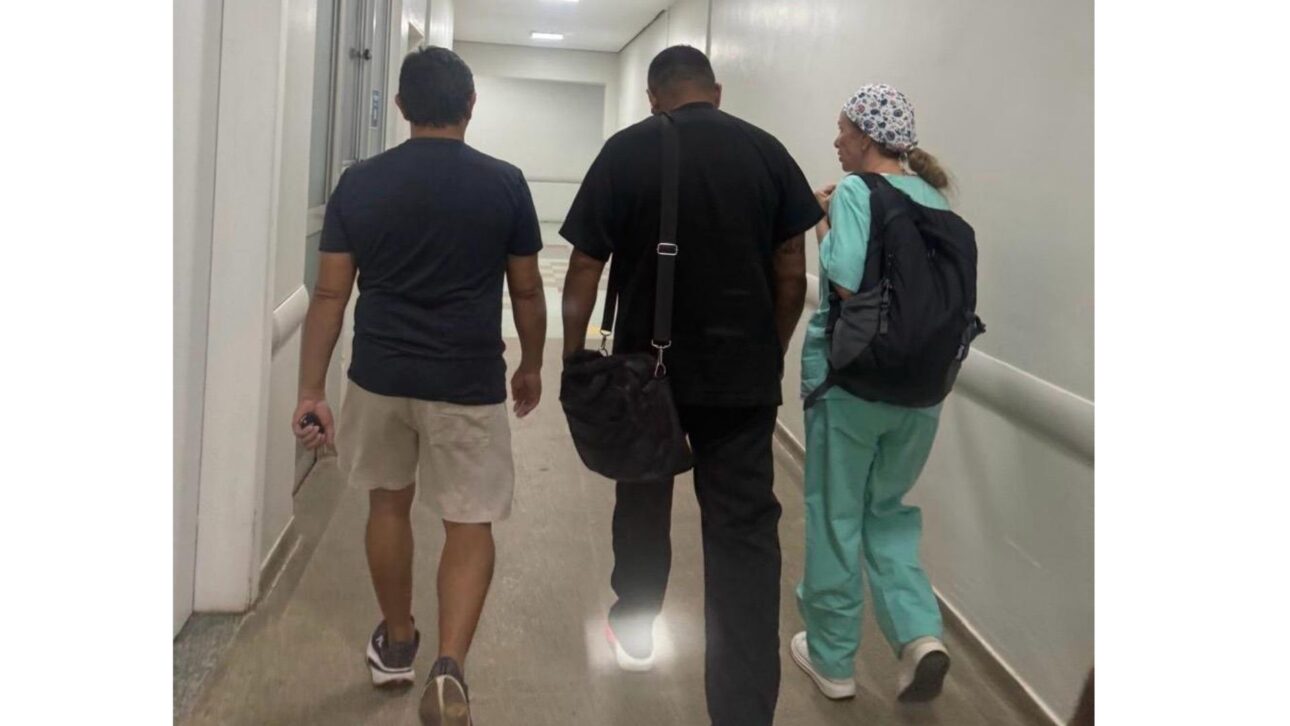
The plan was devised to avoid raising suspicion. Instead of sending a uniformed team, which would alarm the suspect, the Secretary of Security decided to enter the department herself, dressed as a member of the medical staff.
-
He Didn’t Build a Plane, But Spent Decades Trying to Make Bicycles Fly with Wings and Pedals; Remaining Models Tell This Unusual Story in Germany

-
To Protect Its Beaches, the Netherlands Deposits 21.5 Million Cubic Meters of Sand into the Ocean, Letting Nature Reinforce Dunes and Shoreline
-
Swedish Mall Focuses on Sustainability by Repairing and Reselling Discarded Items
-
Mother Leaves Stable Job to Support Gamer Son’s Dream, Sees Channel Surpass 10 Million Subscribers, Now Helps Run a Million-Dollar Online Empire: The Story of Angie Baker





“I used an outfit as if I were a doctor to access him without arousing curiosity or alerting the accused. The three agents accompanying me were also dressed in plain clothes,” said Eliane Gonçalves.
The care was maintained until the end, to avoid disrupting patients. According to the secretary, the approach was only completed after the team ensured the continuity of care.
“We only removed him from the location after speaking with his boss by phone and waiting for a staff member to replace him at the exam counter, so no one would be harmed,” he explained. In other words, the radiology technician was removed without stopping the MRI queue.
This detail says a lot about the operation. It wasn’t a violent raid; it was a trap planned down to the smallest steps, precisely in a sensitive environment like a hospital.
The Secretary of Security swapped the office for a lab coat and went into the field, which gave the story the cinematic tone that made the case resonate.
R$ 600 for an MRI that is free
The heart of the crime is simple to understand and revolting to hear. The MRI exam is a procedure that the Unified Health System offers for free to any citizen. Even so, the radiology technician charged R$ 600 to perform or expedite this free SUS exam, turning a right into merchandise.
The fraud was not an isolated act at the counter. According to the investigation, the staff member had the support of two intermediaries, who approached patients arriving at the hospital seeking care.
These were the people who offered the supposed shortcut: paying to skip the wait for an MRI that, in theory, was already a guaranteed right.
The logic of the scam took advantage of the anxiety of those waiting for an exam. Faced with the delay and distress about their own health, many people end up agreeing to pay, even knowing that the free SUS exam should not cost anything.
It is this vulnerability that the scheme exploited, charging R$ 600 from those who should have been attended to without paying a cent.
More than 30 victims in at least six months
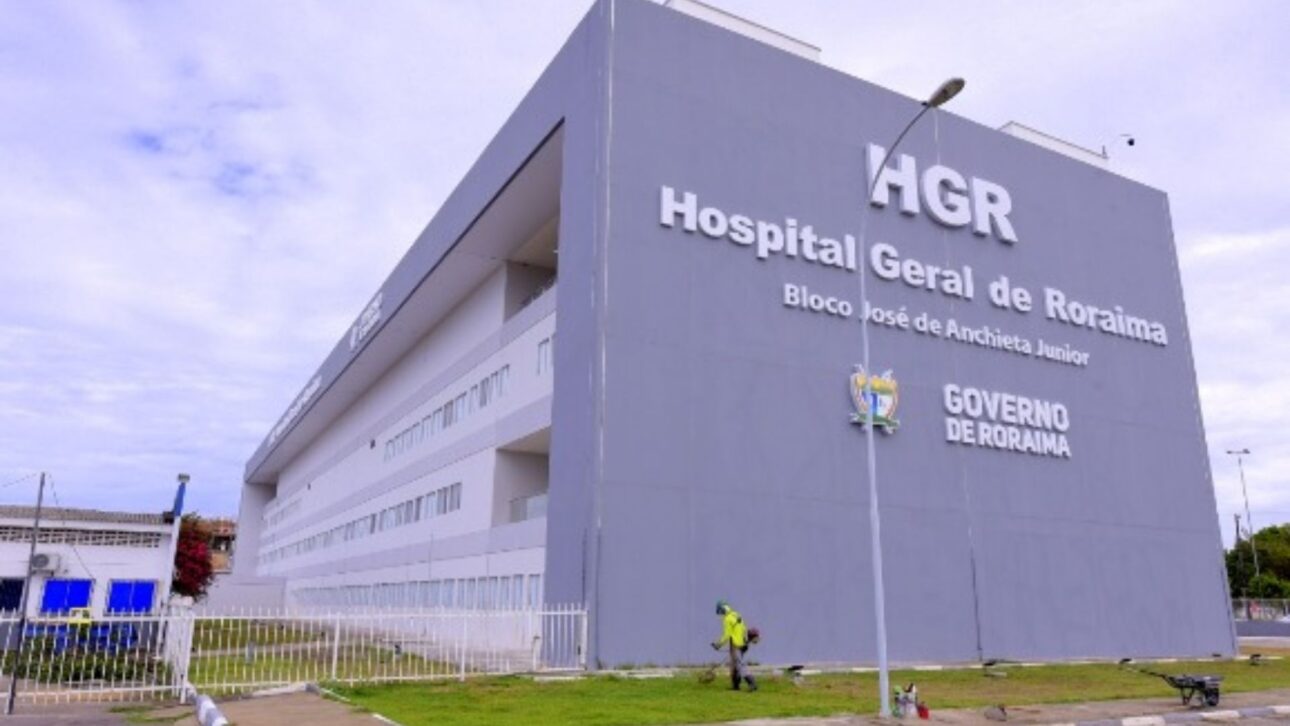
The operation did not catch a one-time slip, but a practice that had been going on for months. According to information provided by the Secretary of Security, the scheme had been operating for at least six months at the General Hospital of Roraima.
During this period, the radiology technician allegedly made more than 30 victims, a number that may still grow as the investigation progresses.
Each of these victims is someone who was seeking a basic right. SUS patients, often unable to afford private consultations, were led to shell out R$ 600 for an MRI that the State already offered for free.
The free SUS exam became, in the hands of the staff member, an illegal source of income at the expense of the poorest.
The authorities continue working to map the real extent of the damage. The investigation continues to identify how many patients were affected and how much money passed through the group’s hands.
The number of more than 30 victims is the starting point, not the end point, of this account.
The server confessed and was arrested
The suspect’s reaction helped close the case. Approached in the act, the 48-year-old radiology technician, a permanent employee of the State Health Department, Sesau, spontaneously confessed to the practice, according to the Secretary of Security. He was arrested right there, inside the General Hospital of Roraima where he worked.
The Justice acted next. The server was presented to the Civil Police and, after the custody hearing, had his preventive detention decreed, being sent to the Monte Cristo Agricultural Penitentiary.
According to the investigation, he is charged with crimes such as embezzlement and criminal association, related to the diversion committed in the exercise of public function.
It is worth an important clarification: so far, only one person has been arrested, the radiology technician. The two intermediaries who, according to the investigation, approached the patients had not been located, and their preventive detention was also requested.
Therefore, it is not a whole gang behind bars, but a server arrested and accomplices still sought.
Charging for care in the SUS is a crime
The case in Roraima serves as a national alert about a point that many people are unaware of. The SUS is 100% free, from start to finish.
Consultation, exam, surgery, medication, none of this can be charged to the patient within the public network. Any request for payment for a free SUS exam, like the MRI in this scheme, is illegal.
Knowing this is the best defense against similar scams. When someone offers to skip the line or expedite an exam for payment, the alarm should go off immediately.
The citizen can and should report, through channels such as the SUS ombudsman and the Health Hotline 136, as well as the police itself, as happened in the General Hospital of Roraima.
The firmness of the response also matters. By donning the lab coat and going personally to the location, the Secretary of Security sent a clear message that charging for the free SUS exam has consequences.
More than arresting a server, the operation exposed how this type of fraud hides within public hospitals.
Why a case like this affects Brazilians
Stories like this touch a raw nerve. The Brazilian who depends on the SUS knows the anguish of waiting for an MRI, hoping the exam comes through before the disease progresses. Seeing someone profit R$ 600 from this distress, inside a public hospital, feels like a double betrayal, against the patient and against public money.
That’s why the turnaround was so well-received. The image of the Secretary of Security disguised as a doctor, entering the department to expose the radiology technician, restores a rare sense of swift justice. In a country where much fraud goes unpunished, witnessing the act and the official confessing carries significant symbolic weight.
In the end, the episode at the General Hospital of Roraima goes beyond an isolated case. It reminds us that the free exam from SUS is a right, that charging for it is a crime, and that vigilance and reporting are what keep this right standing. The creativity of the operation drew attention, but the lesson remains serious.
The incident in Boa Vista shows that charging for a free SUS exam is not only unethical, it’s a crime, and can end with the responsible party arrested and confessing. The Secretary of Security of Roraima proved that, sometimes, exposing a scam requires stepping out of the office and donning a lab coat.
And you, have you been a victim or do you know someone who had to pay for a service that should have been free at SUS? Share your experience here in the comments and help others recognize and report this type of illegal charge.