Portuguese
  Spanish


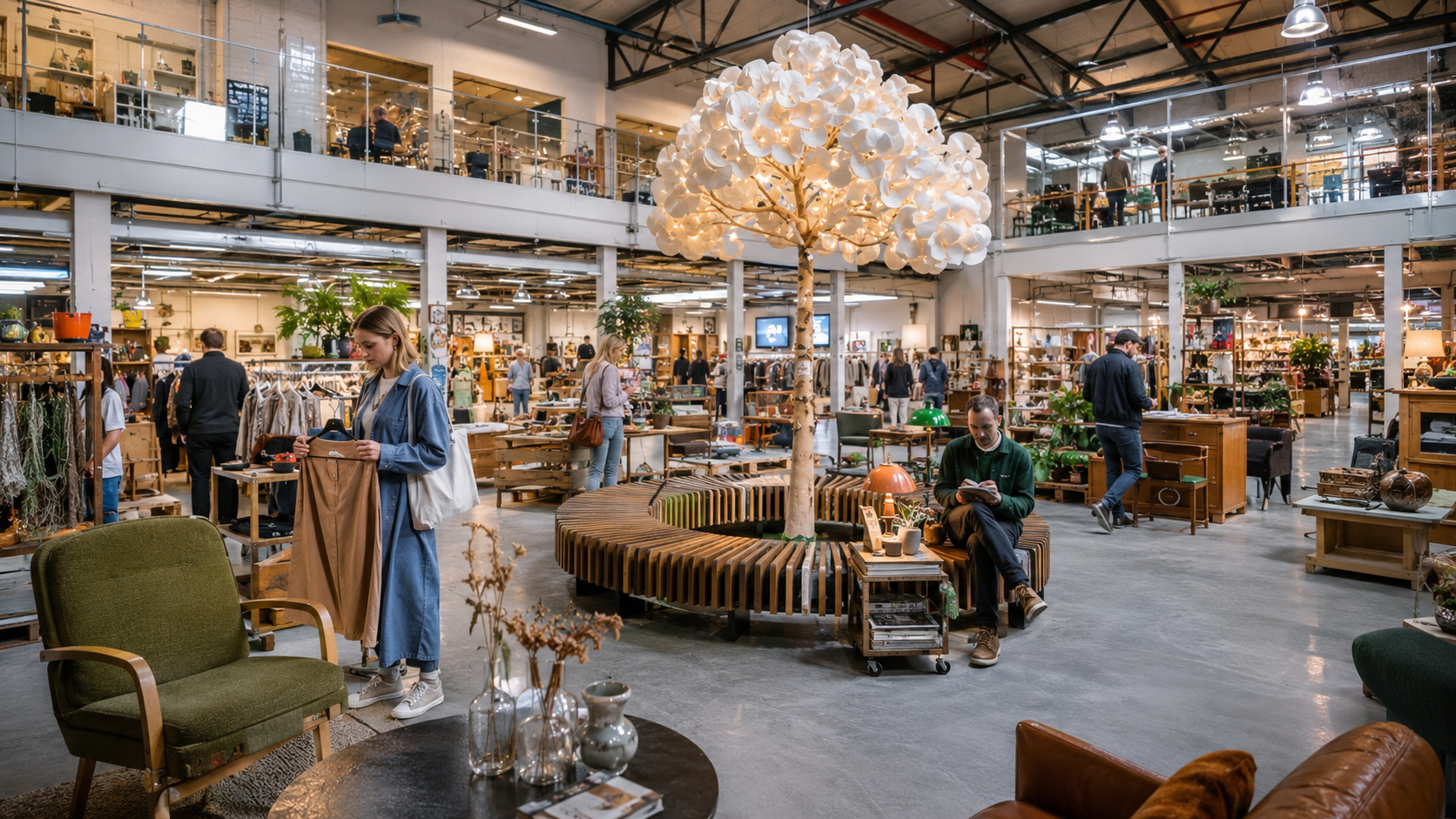

In Eskilstuna, the recycling mall connects a central hub for receiving, sorting, repairs, and stores of used products, showing how the circular economy can keep furniture, clothes, electronics, and children’s items in use for longer before moving on to other destinations.
Instead of selling new products, a recycling mall in Sweden receives discarded objects, sorts what can still be used, and sends some items for repair and sale. ReTuna, in Eskilstuna, connects the delivery of material to the circular economy, a model that tries to make better use of what already exists.
There, disposal does not go straight to the trash. Items in good condition are evaluated and can return to commerce after cleaning, repair, or transformation. The result is a space where product reuse is part of the shopping routine.
The information was released by ReTuna Återbruksgalleria, a Swedish commercial center for reuse and recycling. The enterprise is located next to a recycling center and directs items not fit for sale to this other space.
-
Mother Leaves Stable Job to Support Gamer Son’s Dream, Sees Channel Surpass 10 Million Subscribers, Now Helps Run a Million-Dollar Online Empire: The Story of Angie Baker

-
72-Year-Old Retired Chinese Engineer Builds Personal Cable Car for $1,200 to Avoid Climbing Stairs, Uses It for 5 Years Before Ordered to Dismantle

-
Neymar’s 14-year-old son, Davi Lucca, launches 3D dinosaur brand “Amigo Dino,” gaining attention on social media for his entrepreneurial spirit.
-
Improper Outlets Can Cause Fires and Damage Devices: How to Identify the Correct 10A or 20A Model for Each Appliance




How the recycling mall that receives discarded objects works
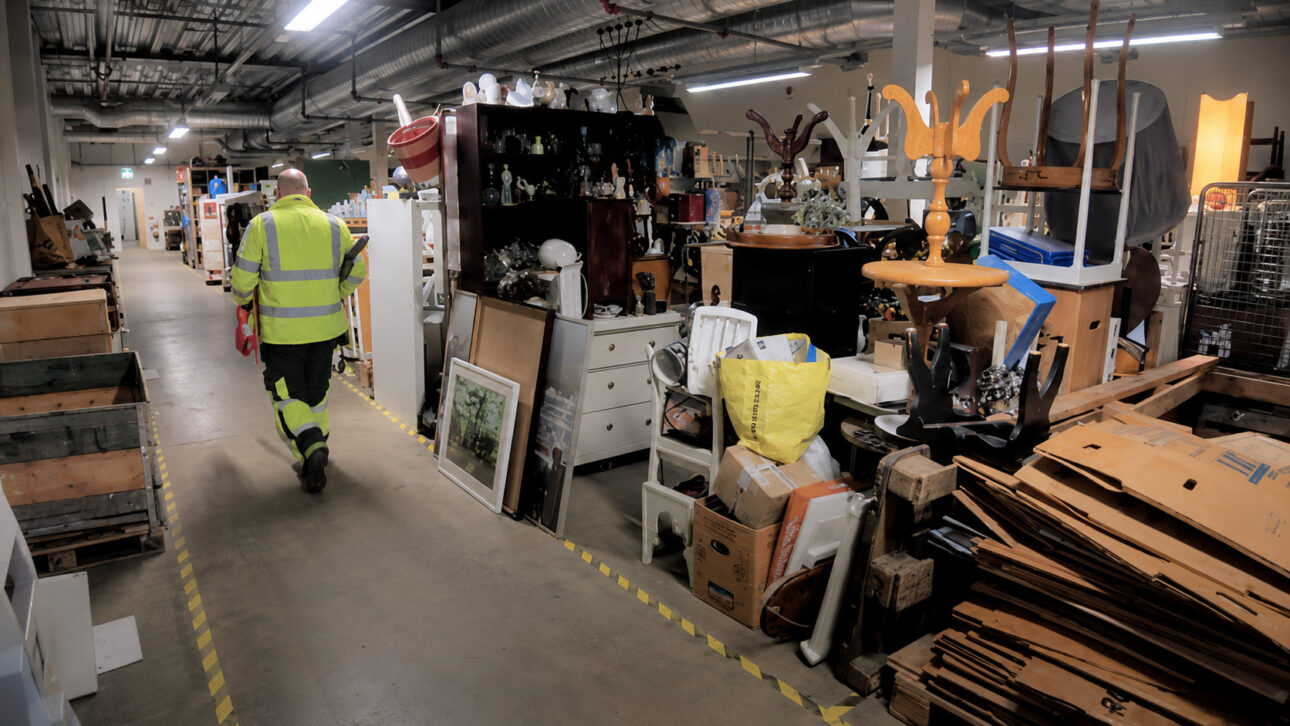
The process begins at the drop-off point called Returen. People bring objects that can still be used, and the team conducts the first object sorting, a separation to identify what can move forward.
Each item with a chance of gaining new utility is sent to a ReTuna store. It may then undergo repair, transformation, or other preparation before returning to commerce.


Materials not fit for sale are sent to the recycling center next door. This proximity unites two important stages: trying to extend the use of an item and correctly directing what can no longer be used.
Furniture, clothes, and electronics can return to stores
The mall gathers stores with children’s items, clothes, home goods, books, sports, gardening, construction materials, and electronics. Several establishments also offer repair services, which can restore some objects.
Not all merchandise follows the same route. ReTuna also sells ecological or sustainably produced items, in addition to reused and recycled products.
Therefore, the main point is not to claim that each piece came from waste. The proposal prioritizes the reuse of materials that still have utility and can be recirculated.
Repair and reuse bring circular economy into commerce
ReTuna Återbruksgalleria, a Swedish reuse and recycling shopping center, details that the separated objects can be repaired, transformed, and put back on sale in the stores.
In practice, commerce no longer depends solely on newly manufactured goods. Used objects are given another opportunity for use when they are in suitable condition.
The circular economy means using products and materials for as long as possible. Instead of using and discarding, the idea is to repair, reuse, and recycle when it is still feasible.
The model brings together steps that usually remain separate
The ecopoint is a place for waste delivery. The cooperative separates materials, and the thrift store resells used products. In the Swedish mall, these functions are linked by the same flow.
The difference lies in bringing together delivery, sorting, repair, and sale. Those who drop off an object can help supply stores that work with repurposed products.
This union facilitates the visualization of a path that often remains hidden. The consumer sees that furniture, clothing, or electronics can remain in use for longer.
What this idea shows for Brazilian cities
Ecopoints, cooperatives, and thrift stores show that Brazil already has parts of this path in different places. The recycling mall brings these activities together in the same space, but it is not a ready-made copy for another city.
A similar model would need a place to receive and store objects, people to do the separation of materials, and stores interested in repairing or reselling items. It would also depend on a destination for what cannot be reused.
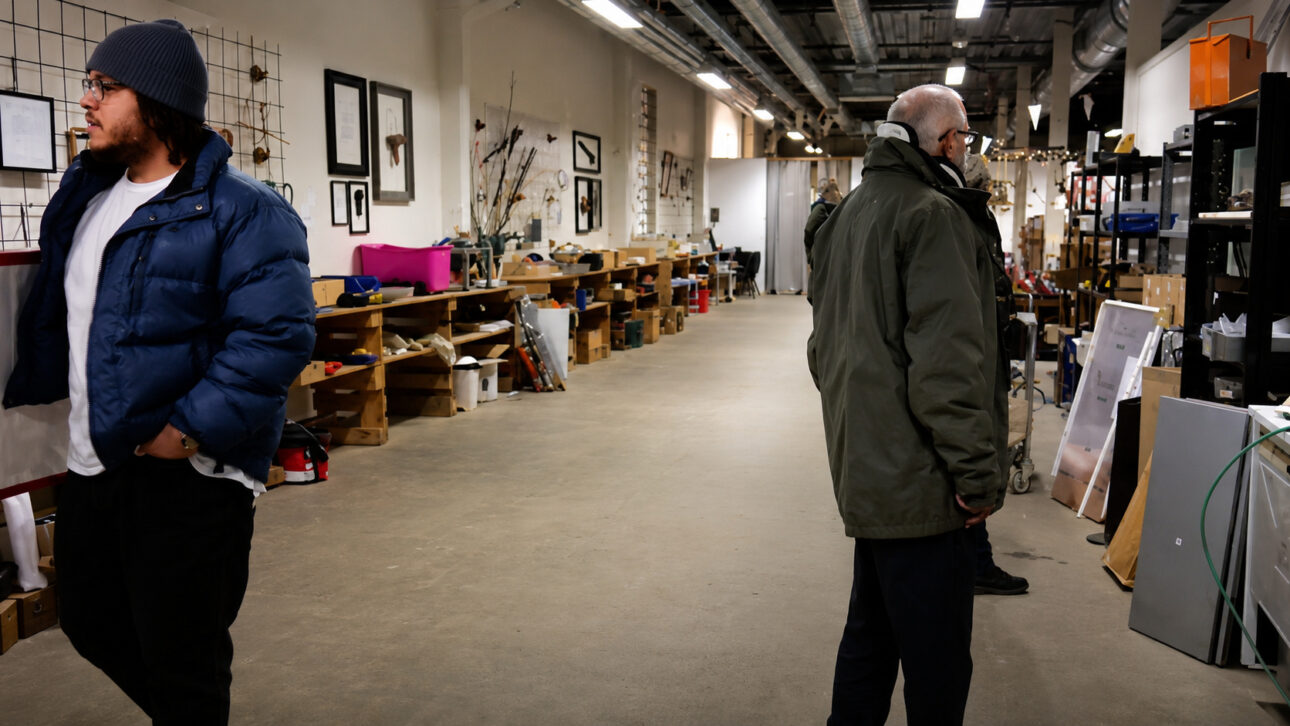
The main lesson is in organization. Disposal, repair, and sale can work as linked stages, provided each has the structure to serve the public.
Buyers also need to observe the condition of the product
Used products are not automatically bad nor automatically good. The buyer needs to check the conditions of use and understand what kind of repair or transformation the item has undergone.
For furniture and electronics, this care is even more important. The store needs to provide clear information, and the consumer should assess if the product is suitable for the intended use.
ReTuna shows that the reuse of products can be part of everyday shopping. Even so, the decision depends on the quality of each piece and the trust in the repair process.
The Swedish mall shows that discarded objects can return to commerce when there is selection, repair, and a place prepared for resale. The experience connects consumption, reuse, and disposal in one path.
Would you buy a reused piece of furniture or electronics if it was inspected before reaching the store? Tell us in the comments and share this idea with those who still see disposal only as trash.