Portuguese
  Spanish


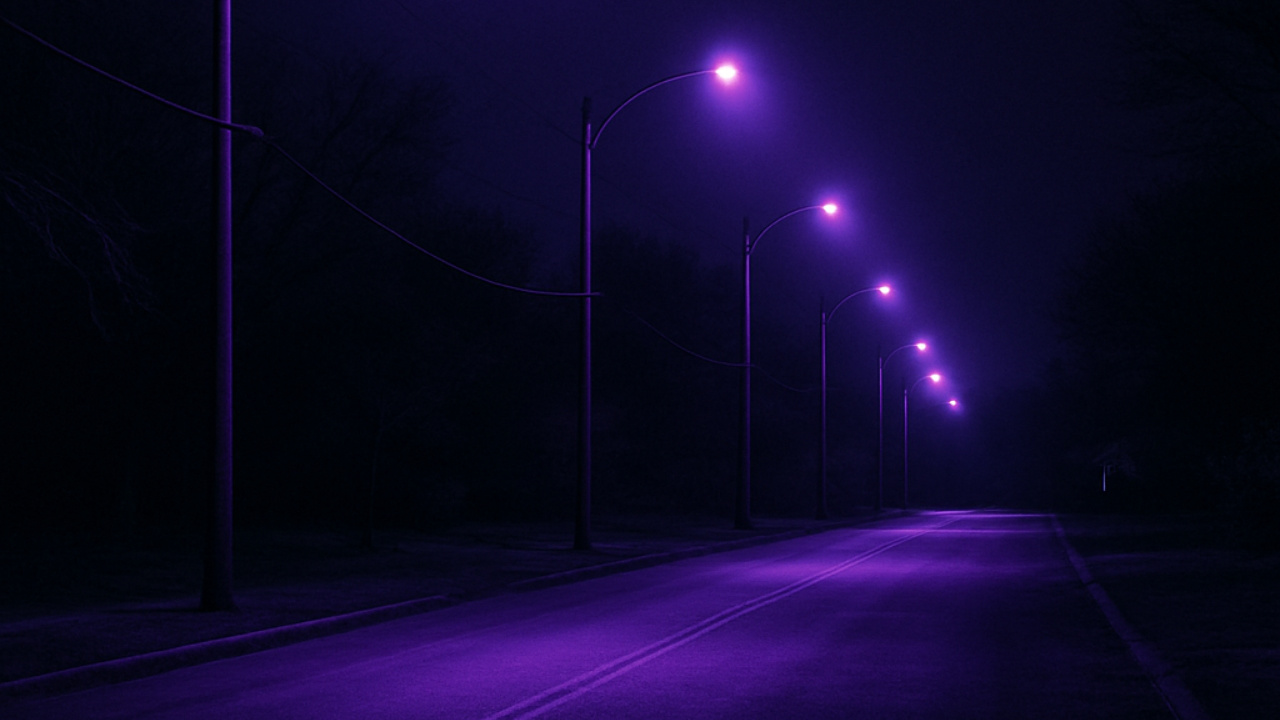

Purple Streets Caught Attention in the United States. Understand Why Street Lighting Gained This Curious Color and What Experts Explain About the Phenomenon.
In several cities across the United States, residents have observed a curious phenomenon that transforms the appearance of streets at night. The streetlights, which traditionally emit white light, now shine in a deep purple hue.
For those passing through these areas, the sensation is almost like being in a suspense movie scene. Despite the mysterious atmosphere, the explanation for the phenomenon is purely technical and involves the evolution of street lighting in recent years.
How LED Technology Changed Street Lighting
Historically, street lighting was done using incandescent or sodium vapor lamps, known for their characteristic yellowish hue.
-
Cold War Secret Plane Lost Engine Mid-Flight, Forcing Six to Parachute in Darkness; Wreckage Remains in Death Valley Mountains 73 Years Later

-
Opened in 1980, Shopping Recife was Pernambuco’s first mall and helped transform Boa Viagem into a bustling and sought-after district in southern Recife.
-
Tired of Monthly Water Supply, South African Villagers in Limpopo Connect Mountain Spring to Taps, Bringing Water to 5,000 People with $700 Initiative

-
Rare Case of Neurocysticercosis in Spain: 60-Year-Old Man’s Suspected Brain Cancer Turns Out to Be Tapeworm Cysts, Avoiding Invasive Cancer Treatments





However, with the search for more economical and sustainable solutions, the United States government chose to adopt LEDs.
This technology brought significant advantages: greater energy efficiency, lower maintenance costs, and a more powerful white light that improves visibility on public roads.
This transition represented a significant advancement but also brought challenges that only became evident over time.
Although LEDs have long durability, not all models used have the same quality, and the rush to implement the technology overlooked some important factors regarding its composition.
The Cause Behind the Purple Street Phenomenon
White LEDs do not naturally produce white light. They use a blue base coated with phosphor, which turns blue light into white.
This coating can wear off over time — especially in lower quality lamps or those subjected to adverse weather conditions.
When this happens, the original blue light starts to predominate, resulting in the purple or bluish hue that today intrigues residents and drivers.
Experts Point Out Failures in Implementation
According to experts, this problem could have been avoided with a more careful selection of equipment.
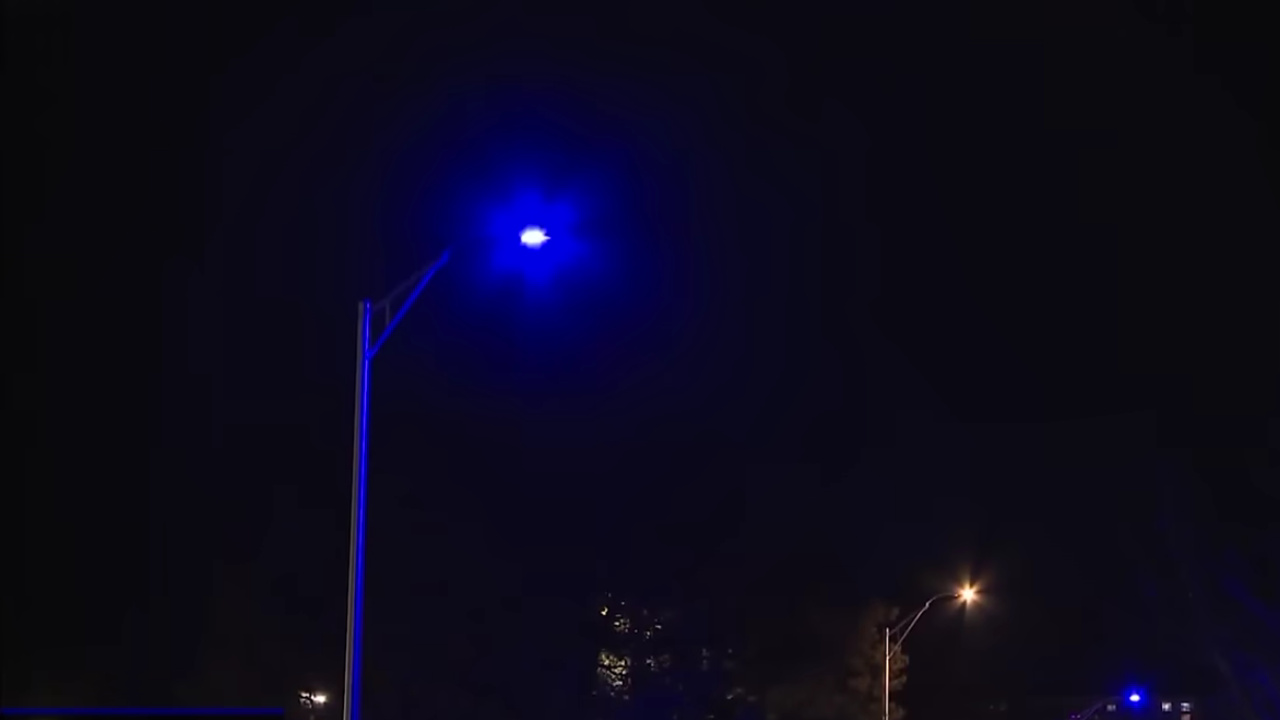
The channel The Drive addressed the issue of the purple streets, and host Kyle Cheromcha explained: “And it turns out that, in the rush to convert everything to LEDs, no one realized that the phosphor coating would deteriorate much faster than expected, causing the lights to turn purple. Or blue, depending on the degree of burning.”
The phenomenon, although unusual, does not pose direct safety risks, but raises debates about the quality of the equipment purchased and the need for more stringent reviews in the implementation of large-scale technologies.