






 Portuguese
  Spanish


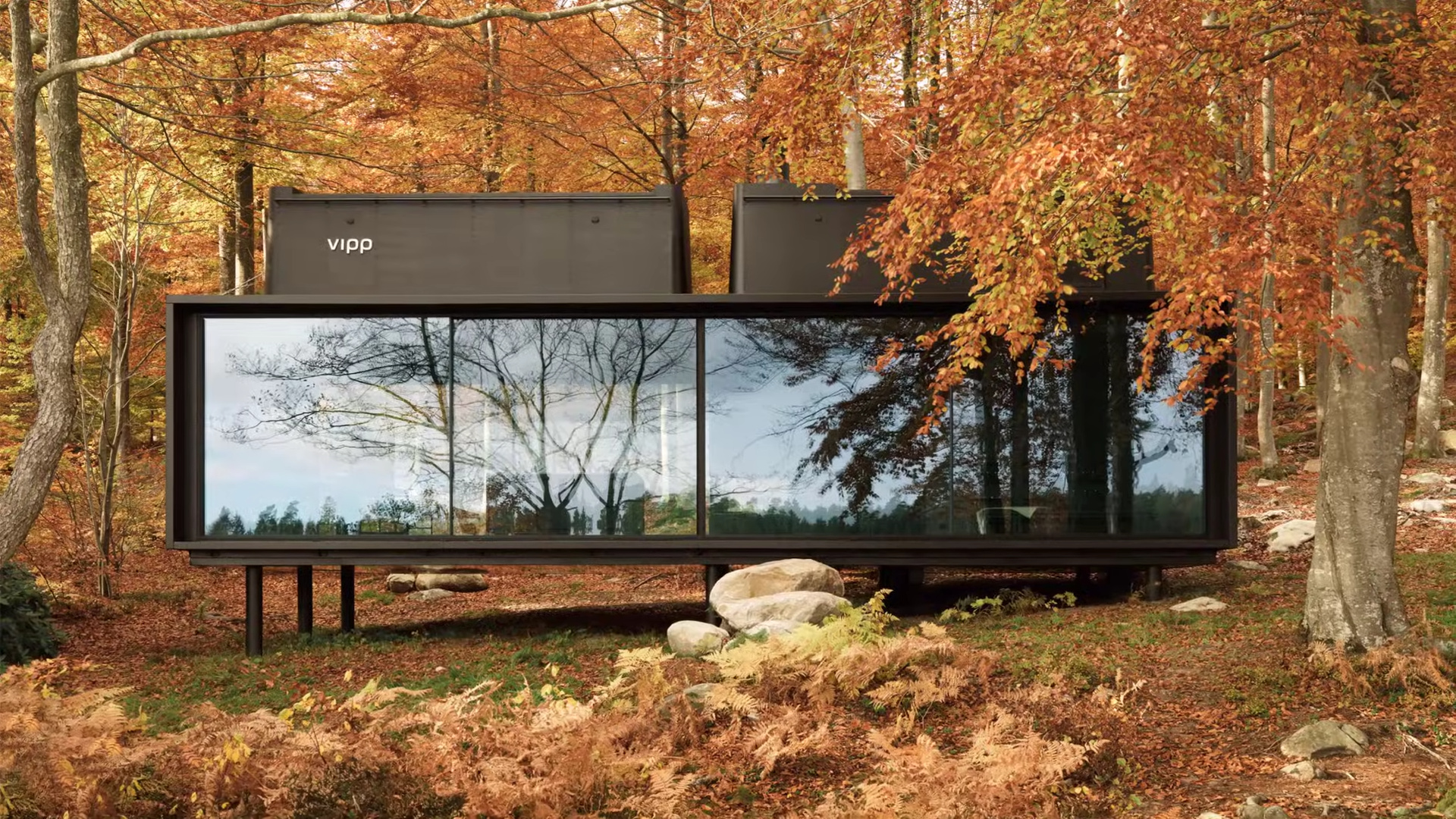

Luxury modular house with 55 m² arrives practically ready, is installed in up to 3 days, and transforms premium retreat into an industrialized product.
In an era where building a traditional house can take months, generate unpredictable costs, and require constant supervision, some companies have started transforming housing into an industrialized product delivered almost ready. One of the most extreme examples of this trend emerged in Denmark with the Vipp Shelter, a luxury modular house of 55 m² that arrives on site almost finished and can be installed in about three days.
The project was developed by Vipp, a Danish company originally known for industrial design objects and premium utensils. Instead of just selling furniture and accessories, the brand decided to create a complete habitable structure, produced in a factory, transported by truck, and positioned on the site as a large pre-assembled module.
The result attracted international attention because the Vipp Shelter looks more like a minimalist design product than a conventional house.
-
U.S. City Builds Tiny Home Village on Water Company Land to House 136 Homeless People: Inside the Social Housing Units

-
Woman Turns Shipping Container into Home, Embraces Rural Life to Cut Monthly Expenses to Just Over $330
-
France Revamps 530 Social Housing Units with Large Balconies and Glass Facades Without Demolishing Existing Buildings

-
Facing high rent, couple transforms parents’ garage into a fully functional apartment, creating a complete home at a fraction of the market cost.




Vipp’s modular house was created to eliminate a large part of the traditional construction process
The proposal of the Vipp Shelter starts from a completely different logic than conventional construction. Instead of erecting walls, doing finishing, installing kitchen, bathroom, and infrastructure directly on the site, practically the entire house is assembled in an industrial environment before delivery.
According to information released by Vipp itself and by offices involved in the project, the structure arrives on site practically ready. This includes installed kitchen, complete bathroom, lighting, hydraulic systems, coatings, and much of the furniture.


In practice, the land functions almost like a support base to receive the module. The company states that the installation usually takes about three days after the structure is delivered on site.
This model drastically reduces part of the problems associated with traditional construction, such as weather delays, material waste, rework, and long finishing periods. The concept tries to transform a house into something closer to a premium industrialized product than a conventional construction.
Steel and glass structure transforms the house into a “minimalist retreat” in the middle of nature
Visually, the Vipp Shelter completely deviates from the typical standard of traditional prefabricated houses. The structure uses dark steel, large glass panels, and minimalist lines inspired by Scandinavian design.
According to the company, the goal was to create a contemporary shelter integrated with the natural landscape. Therefore, much of the facade uses floor-to-ceiling glass, allowing ample natural light and visual connection with the external environment.

The house has about 55 m² distributed between integrated kitchen, living room, bathroom, bedroom, and living areas. Despite the relatively compact size, the layout was designed to maximize the feeling of spaciousness.
The elevated structure also helps reduce interference with the terrain and creates the sensation that the house “floats” slightly over the landscape. The interior follows the same minimalist standard. Vipp uses predominantly dark finishes, industrial metals, wood, and indirect lighting to reinforce the sophisticated aspect of the project.
Almost everything arrives ready from the factory, including kitchen, bathroom, and lighting
One of the most unusual elements of the Vipp Shelter is precisely the level of industrialization of the project. Unlike many modular houses that still require extensive assembly after delivery, much of the systems already arrive integrated.
According to company materials, the house is equipped with a complete kitchen from Vipp itself, including cabinets, metal surfaces, and selected appliances. The bathroom also arrives practically finished, as well as electrical systems, lighting, and part of the climate control.

This significantly reduces the time needed for installation on the site. Instead of months supervising bricklayers, electricians, plumbers, and installers, the owner receives a module practically completed.
The logic is more reminiscent of the manufacturing of a large-scale industrial object than the classic construction process. This is precisely one of the factors that transformed the Vipp Shelter into a symbol of the industrialization of premium housing.
Transport requires truck and crane due to the weight and dimensions of the structure
Despite the proposal for quick installation, the logistics operation of Vipp Shelter is not simple. The structure has large dimensions and weight, requiring specialized transport. The house is taken to the site by truck and usually needs a crane for final positioning. This means that access to the location needs to be carefully analyzed before installation.
According to publications specialized in architecture, the robust metal structure was developed precisely to withstand transport without compromising the integrity of the construction. This type of solution also partially limits the locations where the house can be installed, especially in extremely isolated areas or with complicated access for heavy vehicles.
Even so, the proposal remains much faster than an equivalent traditional construction built from scratch in remote regions.
Model became a symbol of the new generation of high-standard modular houses
In recent years, the global market for modular houses has ceased to be associated only with temporary solutions or simple low-cost housing.
Companies in Europe, the United States, and Asia have started investing in premium modules focusing on design, sustainability, quick installation, and energy efficiency. Vipp Shelter entered precisely into this movement, but with an approach extremely linked to Scandinavian design and the concept of a “contemporary refuge.”

The project gained space in international architecture magazines because it mixes industrialized construction with high-standard finishing and strong visual appeal.
Moreover, the growth of remote work and the search for properties in natural regions increased interest in compact structures quickly installed in locations away from major urban centers. Many buyers have started to see premium modular houses as a faster and more predictable alternative than complex traditional constructions.
Industrialized houses can profoundly change the construction industry
The logic behind Vipp Shelter goes beyond a single luxury house. It represents a growing trend of industrialization in the construction industry.
While automobiles, electronics, and various products have undergone decades of industrial optimization, much of the construction industry still operates with artisanal, slow processes highly dependent on on-site labor.
Modular models aim to precisely reverse this logic. Instead of “building on-site,” companies start manufacturing in a controlled environment and only install at the final destination. This can reduce waste, increase standardization, accelerate schedules, and decrease some of the financial risks associated with traditional construction.
Experts point out that the advancement of these solutions can impact everything from compact housing to hotels, hospitals, offices, and emergency housing. In the case of Vipp Shelter, the proposal is even more radical because it practically transforms an entire house into a ready-made product delivered to the consumer.
The question that is increasingly emerging in the sector is more relevant: in the future, will building a house from scratch continue to be the dominant standard, or will industrialized housing transform the construction industry in the same way that mass production changed the automotive industry?









