Portuguese
  Spanish


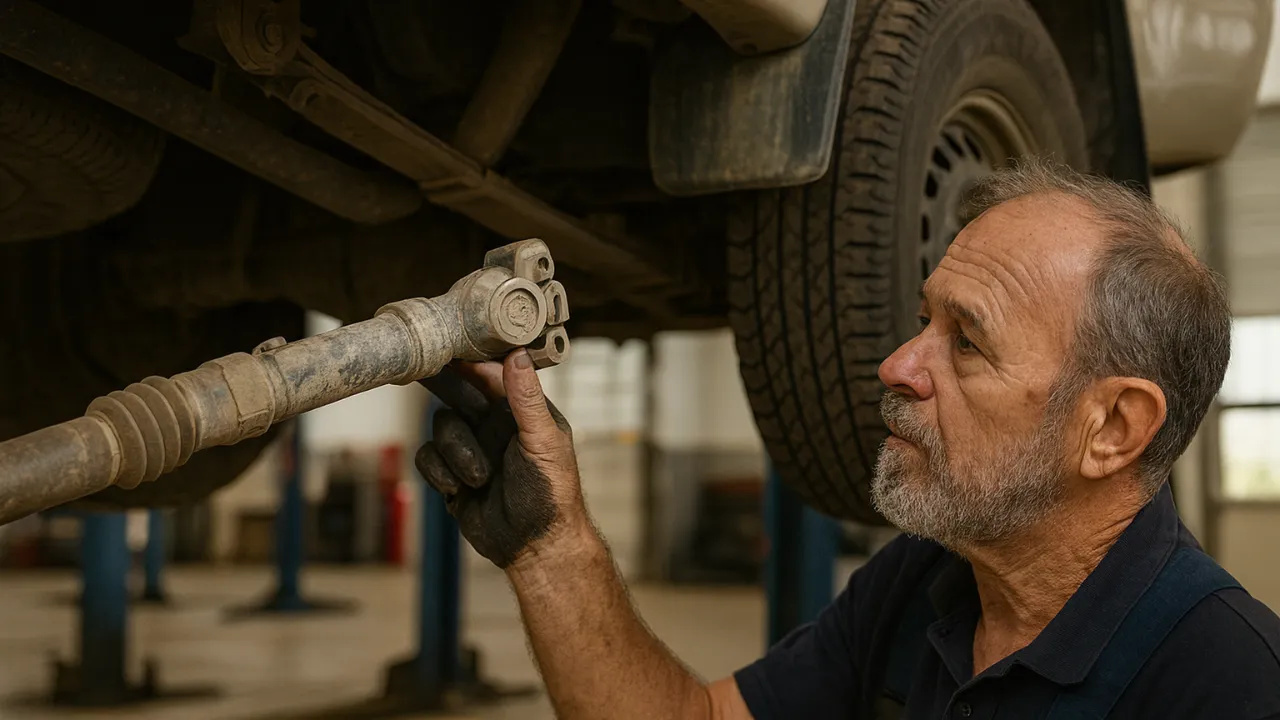

Have you ever bought a used car and, after a few days, noticed an annoying noise coming from underneath the vehicle? Many truck owners report exactly that when talking about the driveshaft of the Hilux. A metallic, repetitive sound or even a dry knock can be a sign that the universal joint is in trouble. The detail is that ignoring this noise can be costly, potentially leading to serious damage to the transmission. And it is at this point that attention makes all the difference: early identification of the problem can prevent a used Hilux from becoming a financial nightmare.
Hilux Driveshaft: Why the Noise Might Indicate a Failure
The driveshaft of the Hilux has the vital function of transmitting engine power to the rear wheels, ensuring that power is distributed correctly. When the universal joint — a relatively small but essential part for the driveshaft’s operation — begins to show wear, the car gives clear signs. The noise is the first alert, but many drivers ignore it, thinking it is “normal” for a truck. This oversight can lead to the piece locking up, damaging the axle, the differential, and even the gearbox. In other words: the cheap option of not investigating the sound can become much more expensive later.
Difference Between Normal Noise and Real Problem
Anyone who has driven a Hilux knows that it is natural to hear typical vibrations of a robust utility vehicle. Normal noise tends to be smooth, usually noticed on uneven surfaces or at higher RPMs. But the sound of a worn universal joint is different: it sounds like a metallic snap, accompanied by small vibrations when accelerating or shifting gears. The key tip is to notice if the noise is constant in certain situations — especially during acceleration or at low speeds — and if it intensifies over time. In these cases, it is almost certain that the universal joint needs immediate attention.
-
Chevrolet’s Parent Company to Invest Billions in Brazil to Modernize Factories, Update Cars, and Accelerate Hybrid Launch by 2028

-
Practical Driving Tests in Brazil Surge by 23.5%, Exceeding 2.2 Million by 2026, as New Rules Make the Process Cheaper and Simpler
-
Brazil’s Lula Government Allocates $463 Million Quota for Electric Car Parts, Waives Import Tax Until December, Sparking Competition Among BYD, Automakers, and Unions as Consumers Question Impact on Prices and Local Industry

-
Thinking of Installing LED Headlights? Why Replacing Halogen Bulbs is Still Banned, the Glare Risks Authorities Worry About, and How a New Proposal Could Allow Certified, Safe Installations


The Danger of Delaying Maintenance
Many owners of used Hiluxes choose to “put it off,” believing that the noise is nothing more than a detail. The problem is that the longer one drives with a compromised universal joint, the greater the risk of complete driveshaft failure. In extreme situations, the part can come loose during movement, causing serious damage to the vehicle’s floor and even accidents. Furthermore, a complete failure can stop the car suddenly, leaving the driver stranded. Therefore, identifying the suspicious sound and seeking help promptly is a way to save money and preserve safety.
How to Identify a Worn Universal Joint at Home
Although a definitive assessment should be carried out by a specialized mechanic, there are some signs that the owner can observe:
- Repetitive metallic noise when accelerating or shifting gears.
- Noticeable vibration in the floor, especially at low speeds.
- Visible play in the driveshaft: safely lifting the car allows one to notice excessive movement in the part.
- Snaps when steering or in tighter turns.
These symptoms, when combined, are strong indications that the universal joint is not in good condition. The sooner the repair is made, the less chance there is of compromising the entire assembly.
Repair Cost: Preventive Maintenance Always Pays Off
The cost of replacing a Hilux universal joint can range from R$ 300 to R$ 700, depending on the quality of the part and labor. The complete replacement of the driveshaft easily exceeds R$ 5,000, not counting extra damages in the transmission or differential. It is precisely in this contrast that prevention shows its value: replacing a worn universal joint is a simple, quick, and relatively inexpensive service. Waiting until “it’s too late” turns an accessible repair into a high loss.
Care to Extend the Lifespan of the Driveshaft
The universal joint is not an eternal part, but some habits help increase its durability:
- Periodic lubrication: grease keeps the movement smooth and reduces friction.
- Avoid overloading: carrying excessive weight accelerates wear.
- Smooth driving: sudden starts and violent maneuvers increase pressure on the driveshaft.
- Preventive check-ups: including the universal joint check in maintenance avoids unpleasant surprises.
These simple precautions can delay the need for replacement by years, keeping the Hilux in top shape to face any road.
When to Seek a Specialist
Upon noticing different noises, persistent vibrations, or any strange behavior in the used Hilux, it is ideal to consult a mechanic specializing in Toyota pickups. Trusted workshops have the equipment to test the driveshaft and confirm if the universal joint really needs to be replaced. Often, a quick diagnosis prevents the owner from driving for weeks with a problem that only gets worse. Remember: there is no “normal” noise when it appears suddenly and insists on repeating itself.
Ignoring noises in the Hilux driveshaft is paving the way for unnecessary headaches. The attentive driver, who knows how to differentiate the typical sounds of a robust truck from the metallic snaps of a worn universal joint, is always one step ahead. After all, taking care of the car is not just about avoiding expenses: it is also about preserving safety and maintaining confidence with every mile driven.