Portuguese
  Spanish


Bauxite waste gains new industrial route in Pará, with microwave technology, BNDES financing, and planned production of low-carbon metallic iron in Barcarena, where Alunorte concentrates scale to test a solution aimed at mining, steelmaking, and cement.
In Barcarena, Pará, New Wave is advancing with a technology project applied to mining to transform alumina production waste into commercially valuable raw materials.
The initiative focuses on the so-called red mud, waste generated in the bauxite processing, and aims to obtain low-carbon metallic iron and silicates intended for the cement industry.
Within the Hydro Alunorte refinery, considered the largest individual alumina refinery in the world, the demonstration plant of Wave Aluminium Brasil S.A. will be installed.
-
From Shoeshine Boy to Billionaire: How a Brazilian Entrepreneur Built a Soy Empire Generating Over $1 Billion Annually

-
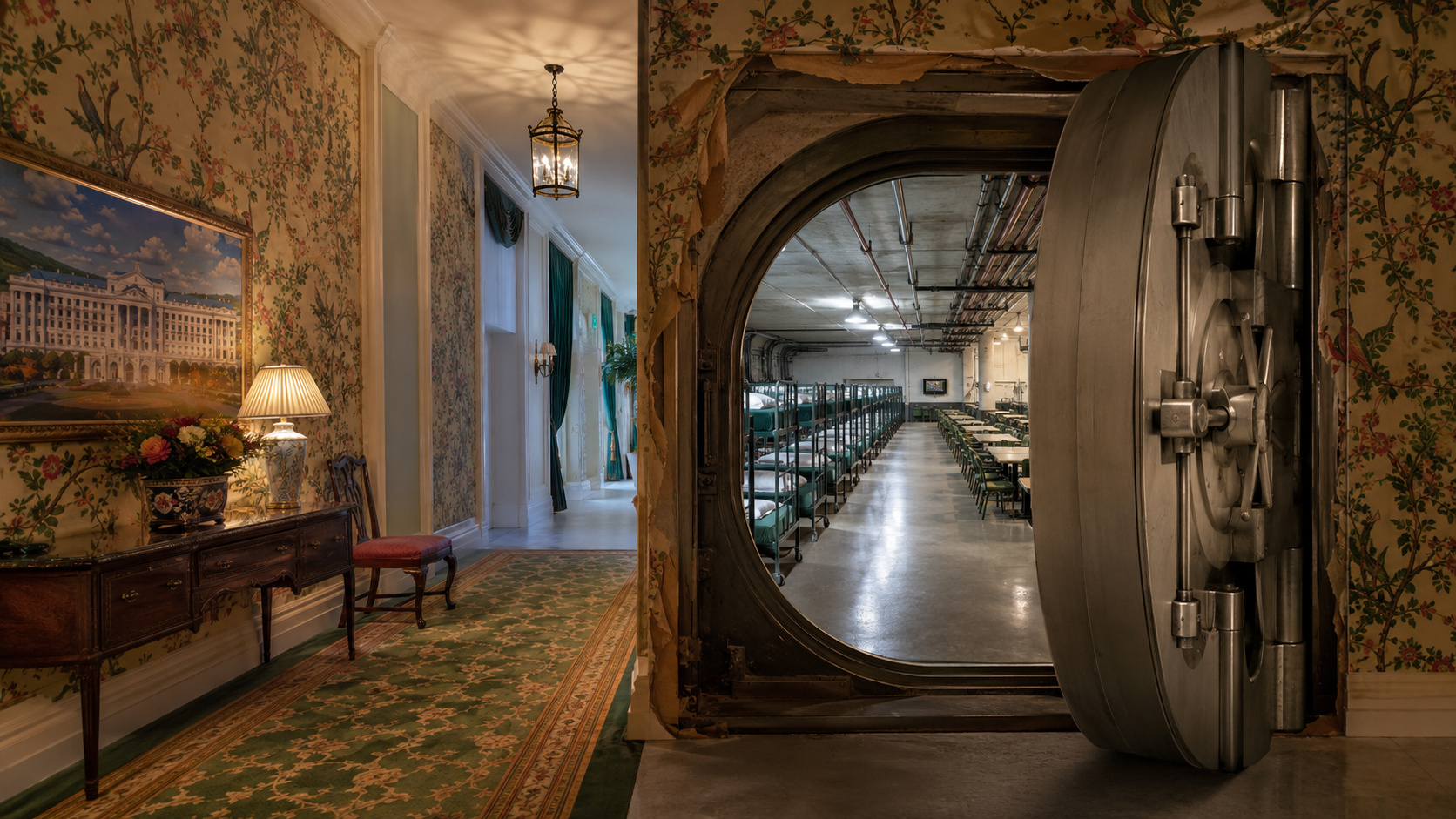
For nearly 35 years, a famous luxury hotel in the United States concealed a secret bunker with a 25-ton door, over a thousand bunks, a dining hall for 400, and space designed to save the entire Congress from nuclear war.

-
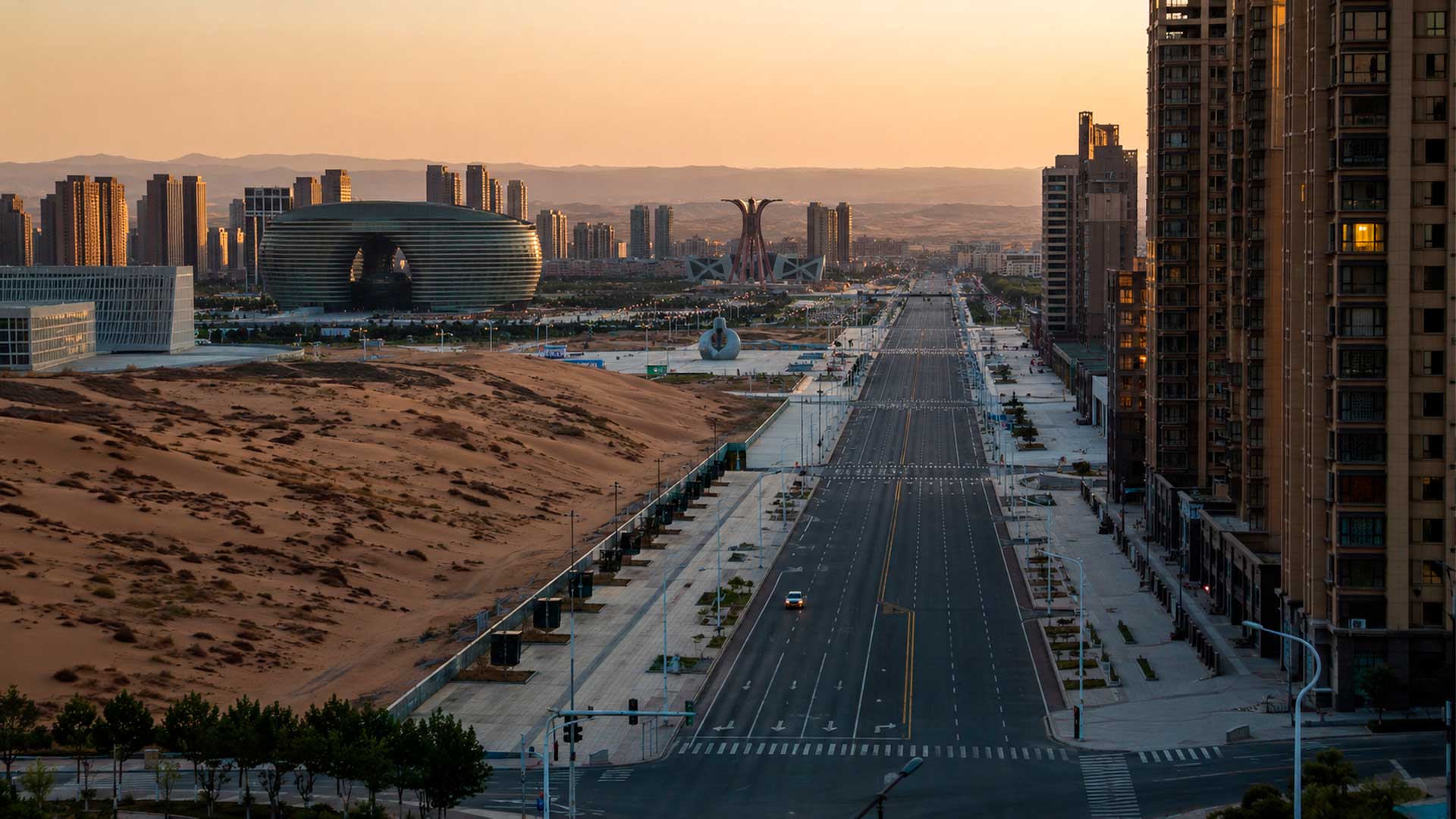
China Invested 17 Billion Yuan to Build a Desert City with Museums and Theaters for 1 Million, but Only 28,000 Moved to Kangbashi Initially

-
Mother and Daughter Convert Small Garage into Full Apartment to Save Money and Stay United


With a capacity of 6 million tons, the industrial unit located in the metropolitan region of Belém generates an estimated 5 million tons of waste.
To enable the demo plant, the National Bank for Economic and Social Development approved financing of R$ 221 million to Wave Aluminium Brasil S.A.
The project will use technology based on microwave application, with an expected start of operation in September 2026 and the capacity to process 50 thousand tons of bauxite waste per year.
Red mud becomes raw material for steelmaking and cement
Among the main environmental challenges of the aluminum chain, red mud stands out for the volume generated in the Bayer process, a method used since the 19th century to extract alumina from bauxite.
According to the International Aluminium Institute, each ton of alumina produced generates about 1.2 tons of waste, which helps to measure the industrial impact of this liability.
Before receiving another destination, this material needs to be stored in specific structures until it is possible to close, stabilize, and rehabilitate the areas used for deposition.
In 2021, the same institute estimated the global generation of bauxite waste at almost 170 million tons, a volume close to the annual average of 180 million tons cited by Gustavo Emina, CEO of New Wave.
The proposal of Wave Aluminium seeks to recover commercially valuable minerals from this industrial liability, reducing the dependence on waste deposits and expanding alternatives for material utilization.
According to BNDES, the technology aims to recover iron and silicates, inputs that can serve, respectively, the steel industry and the cement industry.
In steel production, low-carbon metallic iron appears as a relevant raw material for a sector pressured to reduce emissions.
The commercial gain lies in obtaining an input with a lower carbon footprint from a residue that, until now, required storage and environmental control.
Microwave technology advances in Barcarena
Before reaching Pará, the technology used in the project was developed and tested on a pilot scale at the New Wave Group’s Technology Center in Duque de Caxias, Rio de Janeiro.
The operation of the Pará unit will be a pre-industrial validation stage, still without a commercial character, focused on research and development activities.
In May 2026, according to Brasil Mineral, the Barcarena plant was over 70% physically advanced with an investment reported of R$ 250 million by the company.
The publication also noted that the unit will be the first semi-industrial scale plant aimed at producing metallic iron from the recovery of bauxite residues.
Founded in 2019 by Gustavo Emina, in partnership with the manager Lorinvest, New Wave has investors linked to funds managed by Orion Resource Partners and Just Climate.
The Just Climate initiative is associated with former U.S. Vice President Al Gore, as reported by BNDES and Brasil Mineral.
Besides the industrial potential, the project fits into a circular economy strategy, where residues cease to be merely environmental liabilities and start to feed new production chains.
In the financing announcement, Gustavo Emina stated that the technology has the potential to transform mineral activity waste into raw material for the industry.
Alunorte scales up the industrial test
The choice of Alunorte strengthens the scale of the test because the refinery concentrates a large volume of residue in an already established operation in Pará.
With validation close to the generating source, the partnership reduces logistical steps and facilitates the evaluation of the process in an industrial environment.
During implementation, BNDES estimates the creation of about 386 direct and indirect jobs at the Barcarena unit.
After starting operations, the plant could create 314 positions, according to data released by the bank detailing the financing approval.
Although the model could pave the way for larger applications, industrial scale will depend on the technical and economic validation of the demonstration plant.
The International Aluminium Institute notes that there are opportunities to extract valuable materials from bauxite residue, but some technically viable solutions still face economic challenges.
Among the routes followed by the sector, the utilization of silicates for cement appears as one of the most relevant possibilities.
Roberto Seno, vice-president of the bauxite and alumina committee of the International Aluminium Institute and technology manager at Companhia Brasileira de Alumínio, stated that the use of the residue as raw material for cement represents an important opportunity for both industries.
In Barcarena, the viability of the technology will be decisive in indicating whether red mud can cease to be treated merely as waste and start integrating higher-value production chains.
For now, the most concrete advancement is the demo plant financed by BNDES, with operation scheduled for September 2026 and an annual capacity of 50 thousand tons of residue.