Portuguese
  Spanish


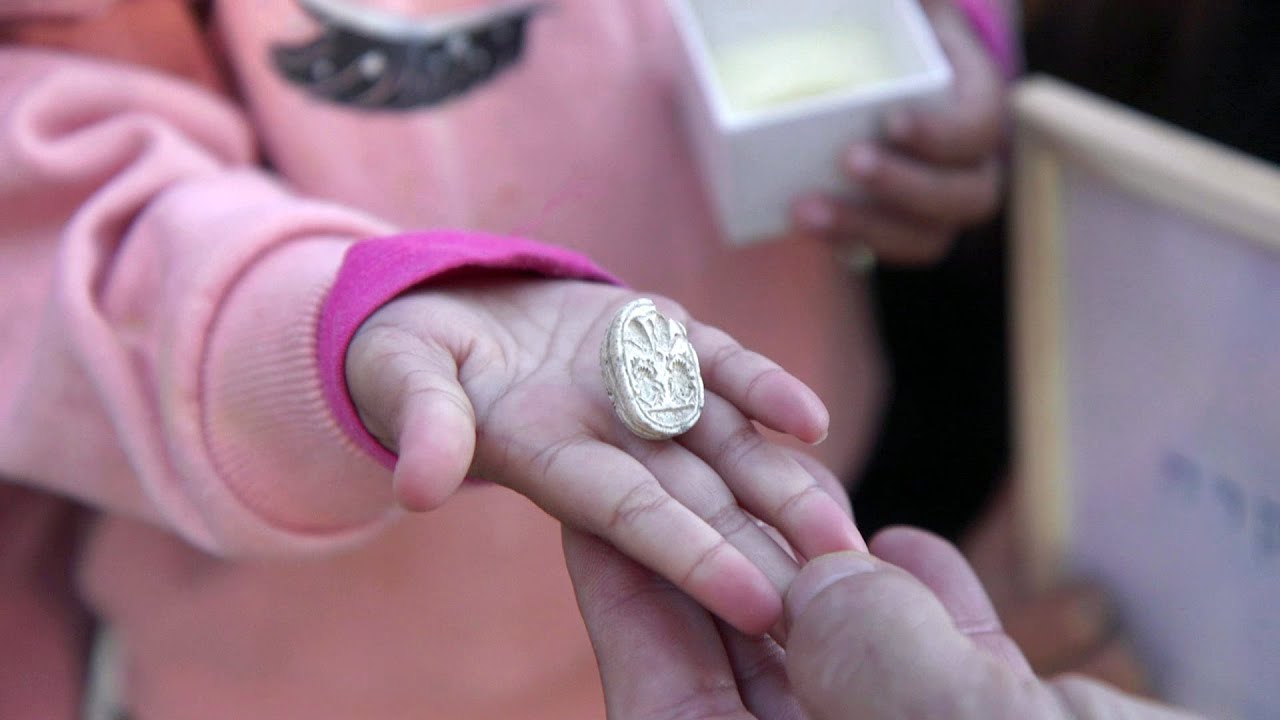

3-year-old girl found a 3,800-year-old Canaanite scarab in Tel Azekah, an archaeological site linked to the biblical tradition of David and Goliath.
A family walk through Tel Azekah, near Beit Shemesh, in Israel, ended in March 2025 with a discovery that few archaeologists would expect to see in the hands of such a small child. The girl Ziv Nitzan, 3 years old, found on the ground a Canaanite scarab of about 3,800 years, a find officially announced by the Israel Antiquities Authority on April 1, 2025, and later confirmed by experts as a Middle Bronze Age artifact. The find attracted attention not only because of the age of the piece but also because of the place where it appeared.
Tel Azekah is an archaeological site of enormous historical relevance, associated in biblical tradition with the region of the battle between David and Goliath and described by researchers as an important strategic point in the ancient routes of the region.
Girl finds 3,800-year-old scarab among thousands of stones
The detail that most impressed the experts was the improbability of the find. According to reports reproduced by the international press, the family was walking along the trail when Ziv bent down, picked up a small stone, and upon cleaning it, revealed an object clearly different from the rest of the surrounding soil.
-
Billion-dollar investment turns red mud into gold, aiming to repurpose 180 million tons of waste annually and potentially transform a major global industry.

-
From Shoeshine Boy to Billionaire: How a Brazilian Entrepreneur Built a Soy Empire Generating Over $1 Billion Annually

-
For nearly 35 years, a famous luxury hotel in the United States concealed a secret bunker with a 25-ton door, over a thousand bunks, a dining hall for 400, and space designed to save the entire Congress from nuclear war.

-
China Invested 17 Billion Yuan to Build a Desert City with Museums and Theaters for 1 Million, but Only 28,000 Moved to Kangbashi Initially




The girl’s sister, Omer Nitzan, reported that Ziv chose precisely that piece among numerous stones scattered on the ground. After the sand was removed, the family realized it was not an ordinary stone and contacted the Israel Antiquities Authority, an action that ended up being decisive for the preservation and identification of the artifact.


This quick reaction was central to turning a casual gesture into a formal archaeological discovery. Without the immediate communication to the authorities, the piece could have remained outside the scientific record and lost part of its historical and documentary value.
What is the Canaanite scarab found by Ziv Nitzan
The small object found by Ziv was identified as a Canaanite scarab, a type of seal or very small amulet, linked to the symbolic universe of ancient Egypt and also present in Canaan contexts.
The expert Daphna Ben-Tor, cited in reports about the case, confirmed that the piece dates back to the Middle Bronze Age, around 3,800 years ago.
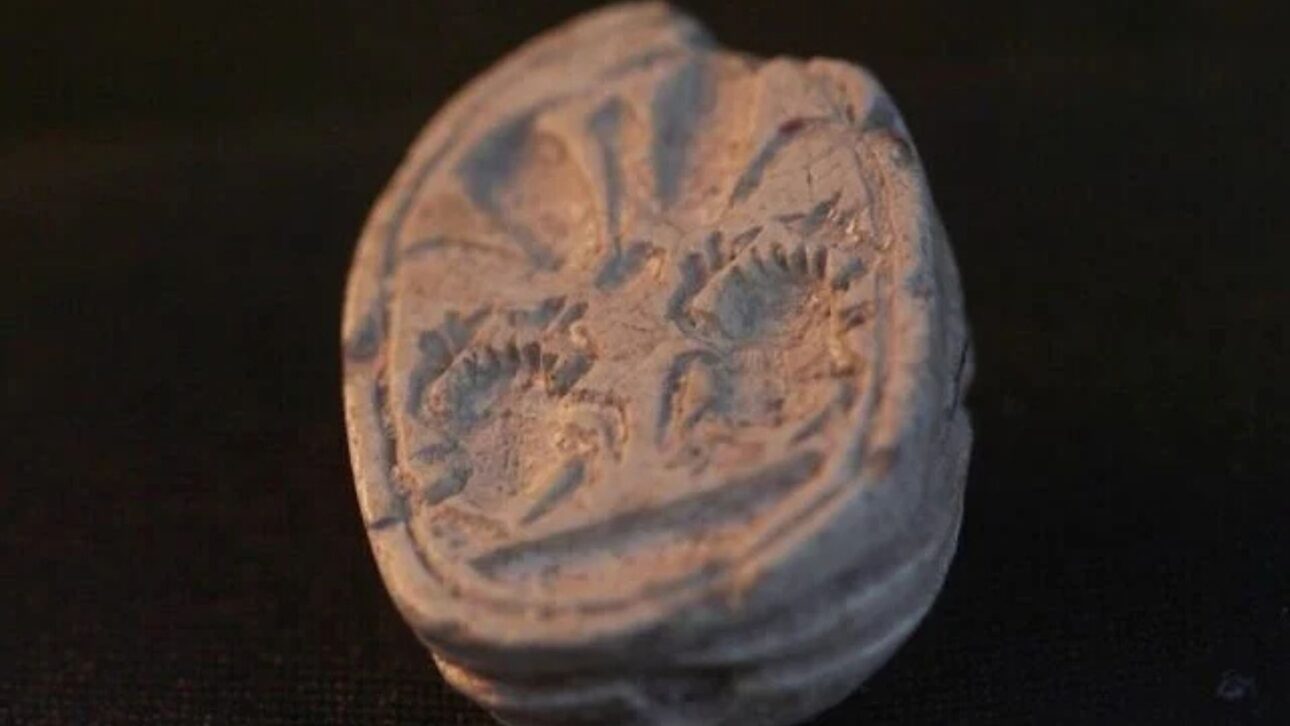
These scarabs were used as seals and also as amulets. Timesofisrael indicates that this type of object appeared in tombs, public buildings, and private residences, and could carry symbols associated with religious beliefs, protection, and social status.
The shape of the artifact resembles the scarab beetle, a highly symbolic figure in ancient Egypt. This connection helps explain why such a small piece can concentrate so much information about religion, cultural circulation, and contacts between societies of the ancient Near East.
Tel Azekah reinforces the historical significance of the archaeological discovery
The discovery site further enhances the importance of the find. Tel Azekah is not just a well-known archaeological hill, but a site that researchers describe as central to understanding different layers of occupation and historical transformation over many centuries.
According to those responsible for the excavations, Tel Azekah occupied an elevated and strategic position, functioning as a control point for a crossroads of ancient routes. This location helped make the site relevant in different historical periods and explains why the area has been producing so many important materials in the excavations.
The archaeological team associated with the site itself states that the finds from the location show close contacts between Canaan and Egypt.
In this context, the scarab found by Ziv does not appear as an isolated piece, but as part of a larger set of evidence about cultural circulation, symbolic influence, and political connections in the region.
Connection with David and Goliath Increases Interest in Tel Azekah
Besides its archaeological relevance, Tel Azekah also draws attention due to its association with one of the most well-known passages of biblical tradition.
The reports from timesofisrael about the discovery remind us that the area around the site is linked to the setting of the battle between David and Goliath, which heightens public interest in any new findings from there.
This background helps explain why the discovery gained international attention so quickly. The case combines childhood, chance, archaeology, a rare object, and a site laden with historical, religious, and cultural value, a combination that makes the story especially powerful from a journalistic perspective.

At the same time, the find reinforces that Tel Azekah goes far beyond biblical memory. The site continues to produce concrete evidence of ancient occupations, regional exchanges, and historical transformations that are of direct interest to Levant archaeology.
Certificate from the Israel Antiquities Authority Turned Ziv into a Symbol of the Discovery
After the identification of the piece, Ziv’s discovery was officially recognized by Israeli authorities.
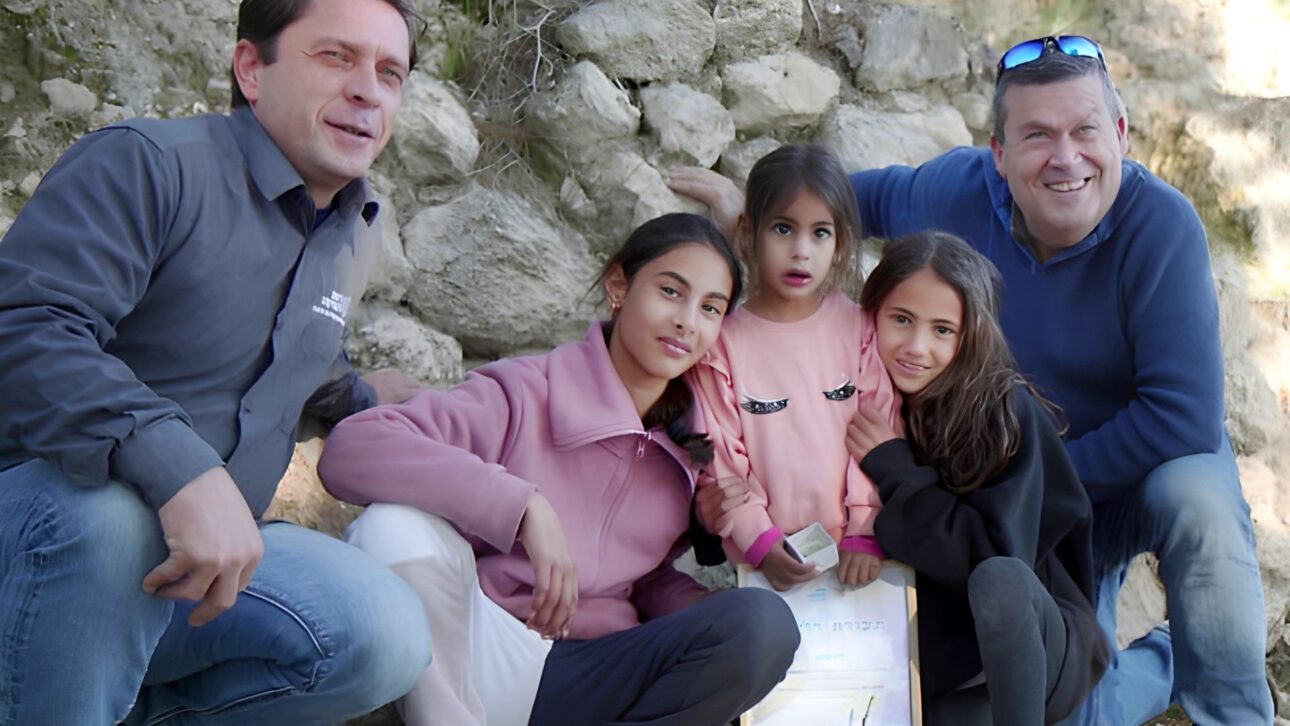
The reports from timesofisrael state that the girl received a certificate of appreciation from the Israel Antiquities Authority for having participated, even if accidentally, in the location of such an important archaeological object.
The case gained even more attention because the scarab would be displayed in a special exhibition with other Egyptian and Canaanite artifacts. This transforms an object that remained buried or forgotten for millennia into a piece accessible to the public, connecting childhood curiosity, historical heritage, and scientific dissemination.
In the end, the story of Ziv Nitzan draws attention because it combines archaeological rarity and absolute simplicity. Among thousands of stones, a child chose precisely the one that held a concrete link to a past of almost four thousand years, in one of Israel’s most symbolic sites.