Portuguese
  Spanish


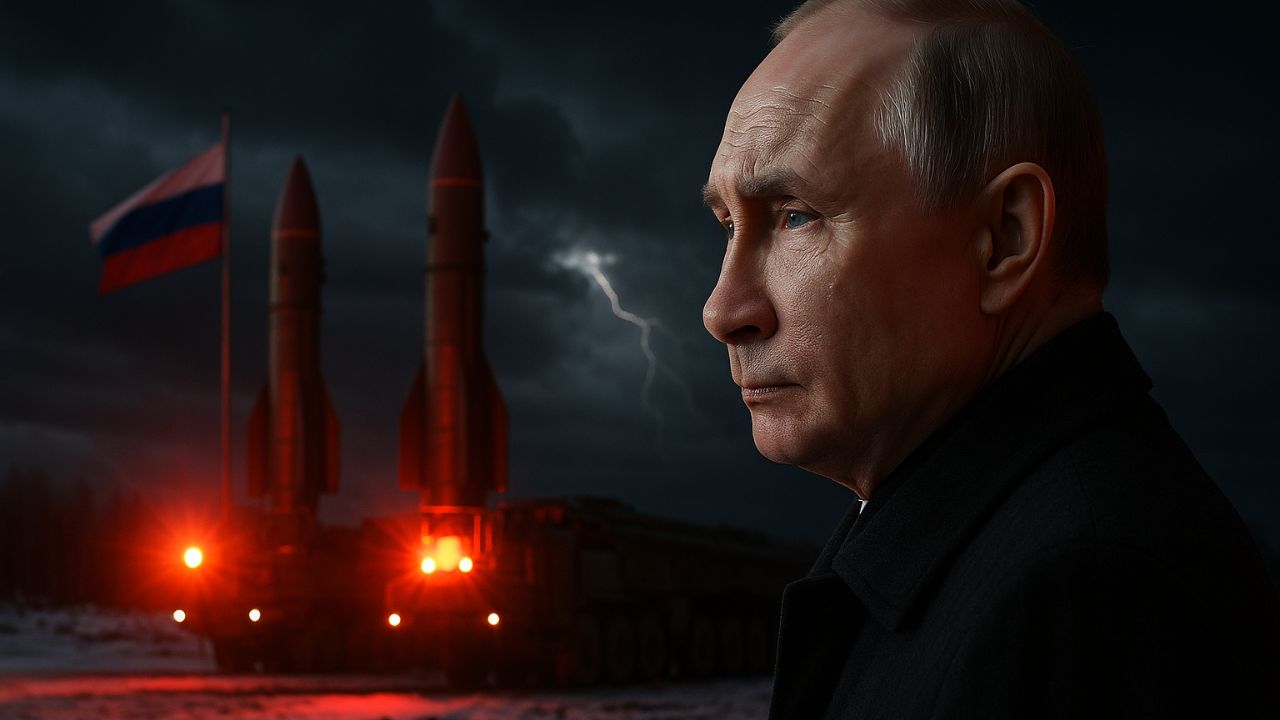


Putin States That Moscow Respects International Treaties, but May Test Nuclear Weapons if the U.S. Moves Forward with New Detonations.
Russia stated on Sunday (11/09/2025) that it may resume nuclear tests if the United States does the same. The statement was made by Kremlin spokesman Dmitry Peskov, who emphasized that Moscow does not wish to violate international treaties but “will be compelled” to act equivalently if Washington moves in that direction.
The tension arises amid escalating rivalries between Russia, the U.S., and China on issues of global security and strategic armaments.
According to Peskov, President Vladimir Putin remains committed to the Comprehensive Nuclear-Test-Ban Treaty (CTBT), but Russia will not be “at a strategic disadvantage.”
-
U.S. Navy’s Ticonderoga-class Cruiser Becomes a 9,800-Ton Missile Fortress with Advanced Aegis System Capable of Tracking Hundreds of Targets

-
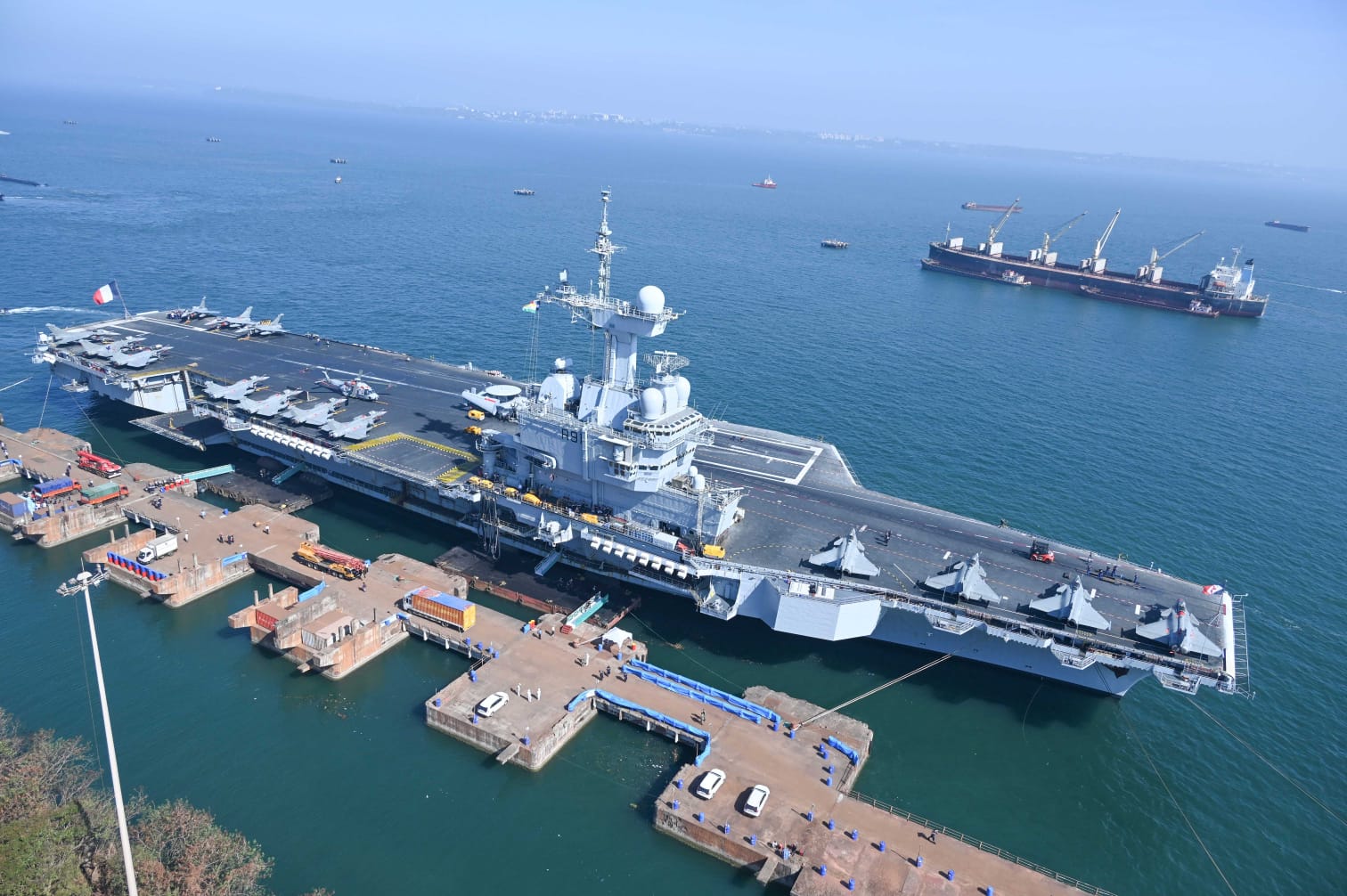
France’s Charles de Gaulle: The Sole Nuclear-Powered Aircraft Carrier Outside the US, Weighing 42,500 Tons and Equipped with Two Atomic Reactors

-
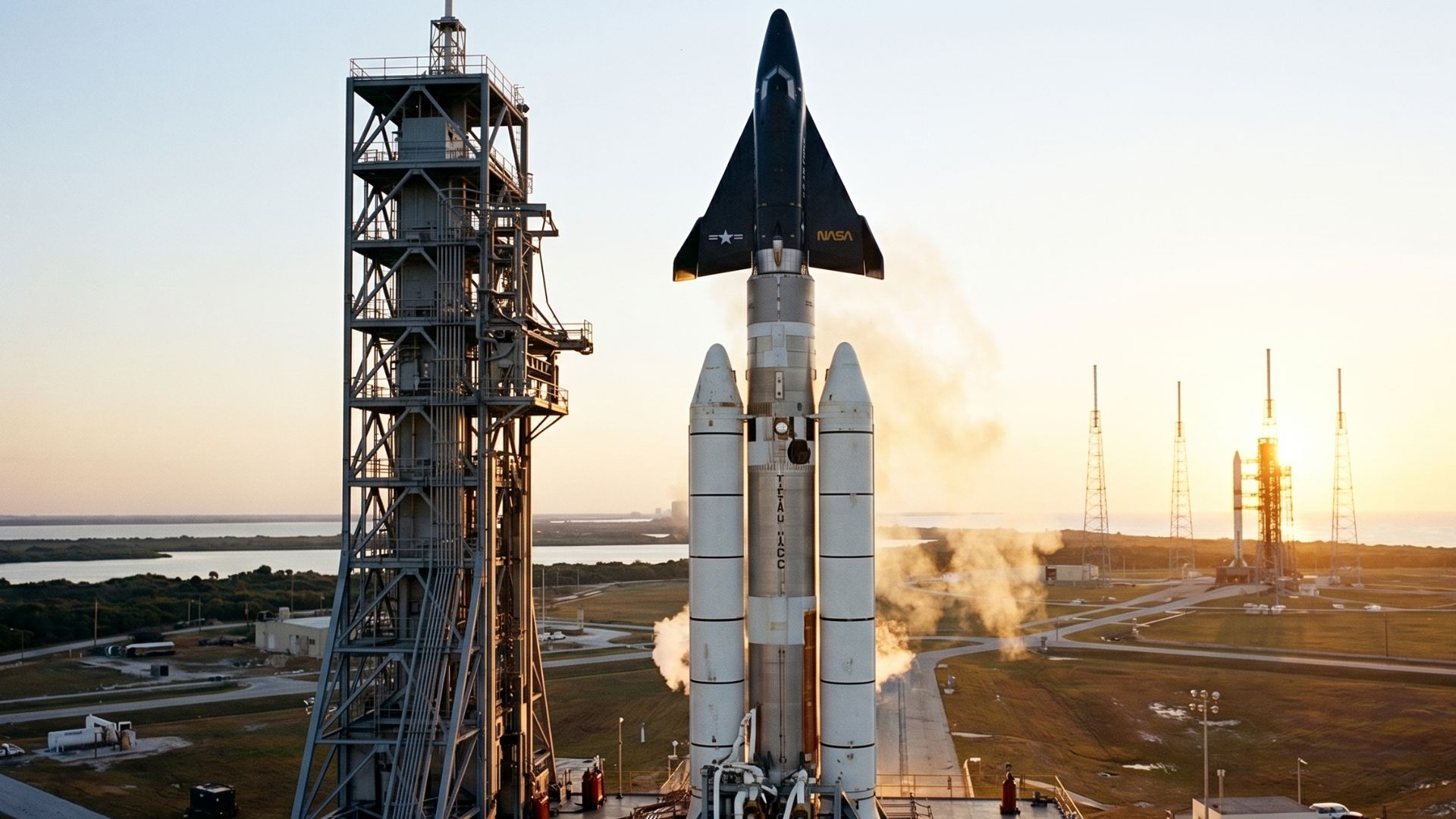
The military spaceplane that almost took the Cold War into orbit: Boeing X-20 Dyna-Soar was designed to re-enter above Mach 20, fly for up to 40 hours, land like a plane, and transform Titan rockets into a gateway to a new era of orbital warfare.
-
FAB bets on national drones and increases investments to strengthen the Brazilian aerospace industry



The warning rekindles fears of a new global arms race.
Kremlin Warns: “We Will Be Obliged to Maintain Nuclear Parity”
In an interview with the Russian channel Russia 1, the Kremlin spokesman reinforced the government’s position.
“President Putin has repeatedly stated that Russia remains committed to its commitments regarding the prohibition of nuclear tests and we have no intention of doing so. If another country violates commitments related to the prohibition of nuclear tests, Russia will have to do the same to maintain parity,” Peskov said.
The remarks came days after former American President Donald Trump authorized the resumption of nuclear weapons testing — something that has not occurred in the U.S. for over 30 years.
The announcement was met with criticism and concern from various nations and international organizations.
U.S. Accuses Russia and China of Secret Violations
Trump stated in an interview with the American broadcaster CBS that Russia and China had conducted secret nuclear tests, without providing evidence.
“Russia tests [nuclear weapons], China tests, but they don’t talk about it. They conduct tests in deep locations, where people don’t know exactly what is happening,” declared the former president.
Trump also added that he “does not want to be the only country not conducting tests,” indicating that the U.S. may resume experimental detonations.
The statements intensified the atmosphere of distrust among the powers and heightened fears of a collapse of international agreements on nuclear weapons.
Moscow Denies Violations and Cites Conventional Tests
The Russian government, for its part, denied any wrongdoing and classified Trump’s accusations as “superficial and incorrect.” Peskov stated that recent tests involving the Burevestnik missile and the Poseidon torpedo do not constitute nuclear tests, even though both can carry nuclear warheads.
According to the Kremlin, these experiments are merely part of the development of conventional defense technologies.
International Reaction and Global Risk
Trump’s decision to reopen the debate on nuclear tests provoked a strong reaction from the UN and the Comprehensive Nuclear-Test-Ban Treaty Organization (CTBTO).
CTBTO Executive Secretary Robert Floyd warned that any new detonation could “destabilize global security” and jeopardize decades of diplomatic efforts.
Currently, Russia and the U.S. hold the largest arsenals on the planet, with over 5,000 nuclear warheads each, according to the Stockholm International Peace Research Institute (SIPRI).
Meanwhile, China, which has been seeking to expand its military capacity for years, is reported to have doubled its arsenal to around 600 warheads in just five years, according to the Center for Strategic and International Studies (CSIS).
The Treaty and the Future of Nuclear Relations
Signed in 1996 by 186 countries, the Comprehensive Nuclear-Test-Ban Treaty (CTBT) prohibits any nuclear explosion but has never fully come into force.
Of the major powers, only North Korea has not signed. Since the end of the Cold War, no country — besides Pyongyang — has conducted actual detonations.
However, experts warn that the recent statements from Putin and Trump may jeopardize global stability.
If Russia truly decides to mirror the U.S., the world may witness a resurgence of a nuclear arms race, with unpredictable risks for international security.