






 Portuguese
  Spanish


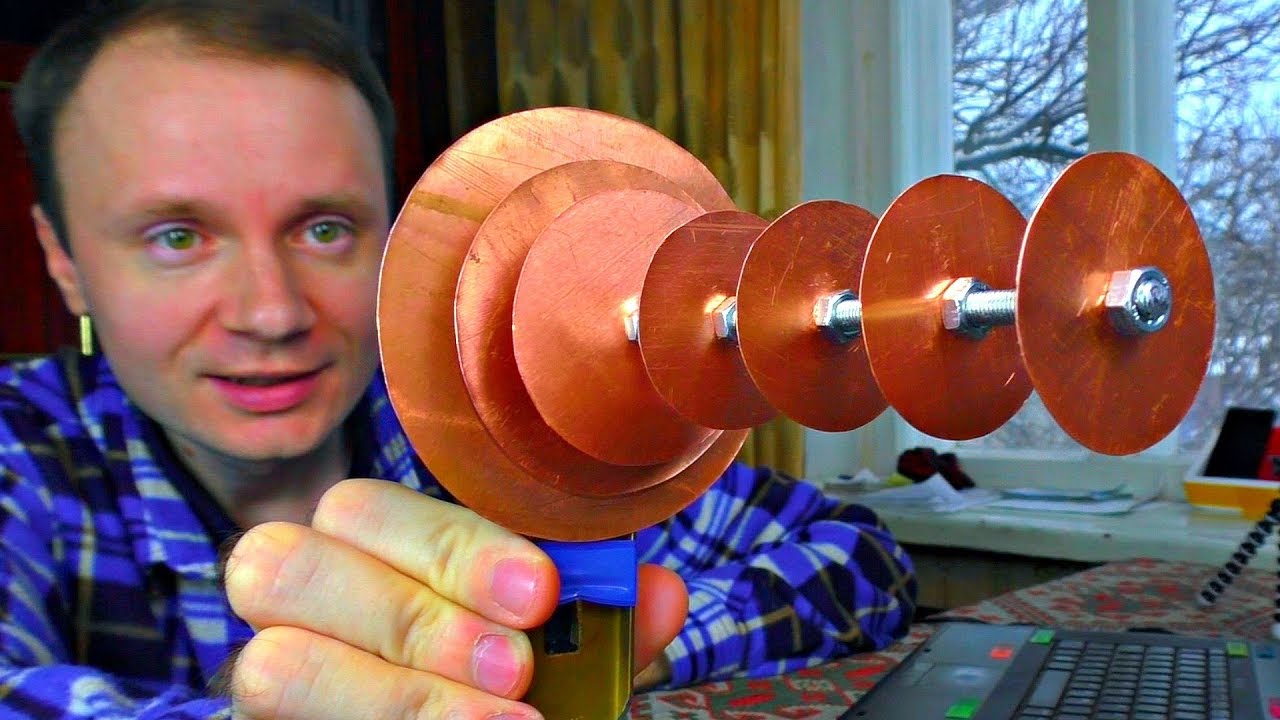


Russian YouTuber Builds A Powerful Wi-Fi Antenna Using Canned Lid, Threaded Rod, And Simple Materials With Precision.
Inspired by research on lunar vehicles, a Russian creator from the KREOSAN channel surprised again with an unusual project of a super homemade Wi-Fi antenna.
This time, he assembled an enlarged and much more powerful version of a “Wi-Fi gun,” using simple materials and a lot of manual precision.
The Inspiration Came From The Moon
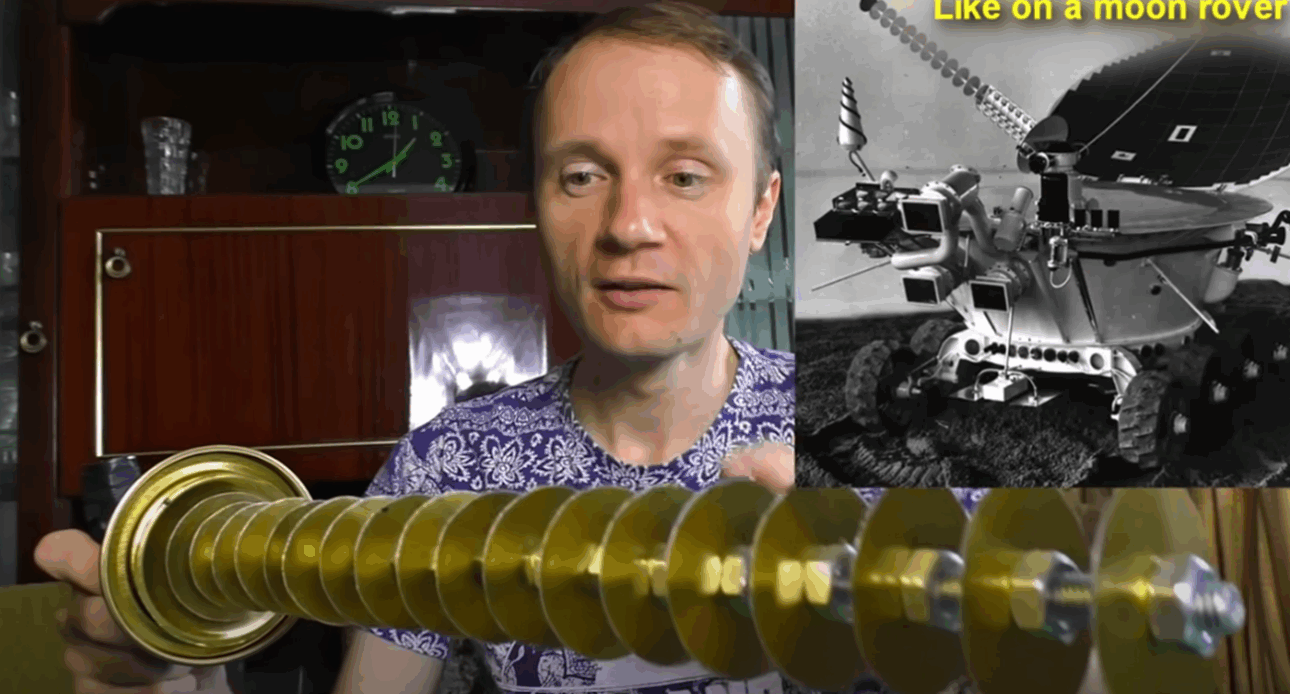
The idea for the new project was born while the creator was researching lunar vehicles.
-
Brazilian Engineer Who Grew Up Without Electricity Develops Software, Expands AltoQi to 67,000 Clients, Aiming for $21 Million by Digitizing Brazil’s Construction Industry

-
Spain Launches World’s Largest Floating Dry Dock: 56-Meter Giant Produces Massive Concrete Structures in A Coruña Using Technology Proven in Brazil

-
AI-powered toys that talk, recognize faces, and collect data face scrutiny from Brazilian government over children’s privacy concerns

-
4,000-Year-Old Child’s Skull Unveils Ancient Burial in 7,500-Year-Old Norwegian Rock Shelter, Impressing Archaeologists





By observing the operation of directional antennas used in these devices, he had the spark to try something similar with homemade resources.
The goal was to build a directional Wi-Fi antenna capable of capturing distant and weak signals.
Without access to industrial materials or sophisticated equipment, the YouTuber decided to rely on creativity and reuse.
He chose to use canned lids as the main base of the antenna structure.
For support, he resorted to a threaded rod, common nuts, and a coaxial cable with the appropriate connectors.
Millimeter Cutting And Precise Assembly
The work began with the central hole in the metal lids, a task that required patience and precision.
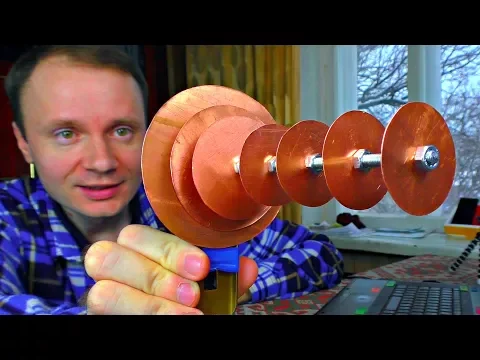
Three of the discs were cut into different sizes, forming the initial base of the antenna. Then, he cut another 17 identical discs to complete the structure.
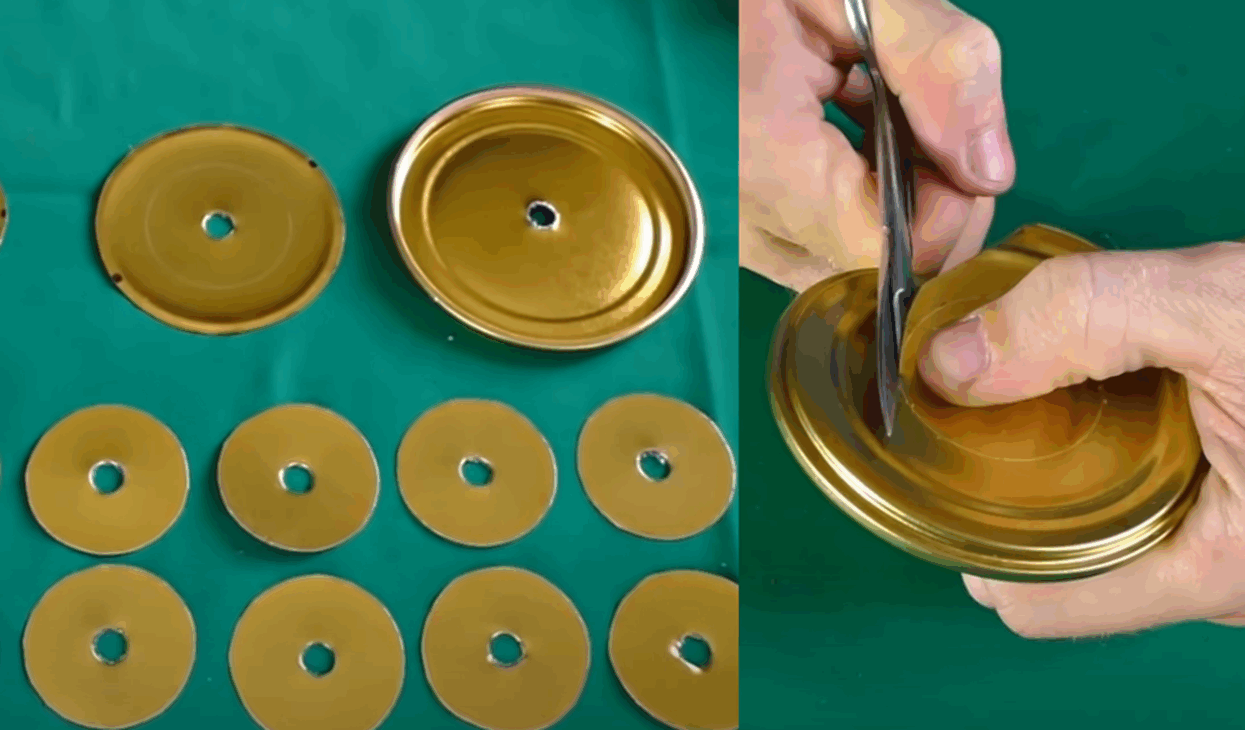
Without a traditional compass, the creator improvised the tracing of the circles using a simple clip, demonstrating manual skill and attention to detail.
Since the performance of the antenna directly depends on the precision of the cutting and alignment, any small failure could compromise the result.
After drilling the discs and adjusting all the pieces, he attached the coaxial cable, which would serve as a direct connection to the Wi-Fi adapter. With everything assembled, the antenna was ready for the first test.
First Tests Impress
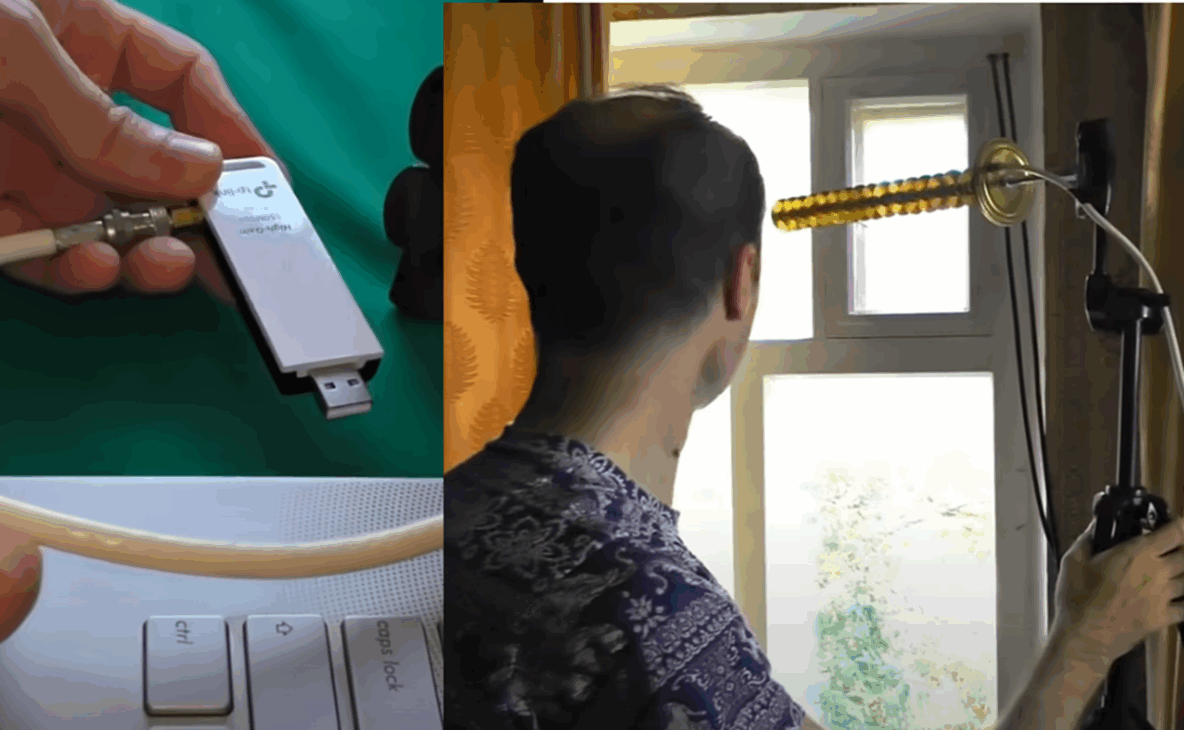
With the antenna connected to the TP-Link USB Wi-Fi adapter, the results quickly followed.
Immediately, the new antenna began to pick up internet networks that had previously not even appeared in the computer’s conventional search.
Being directional, the antenna required the operator to manually rotate it to find the signals. Soon, he was able to locate two open networks.
Even at a considerable distance, the signal remained stable and with a satisfactory speed.
Exploring The Streets With The Equipment
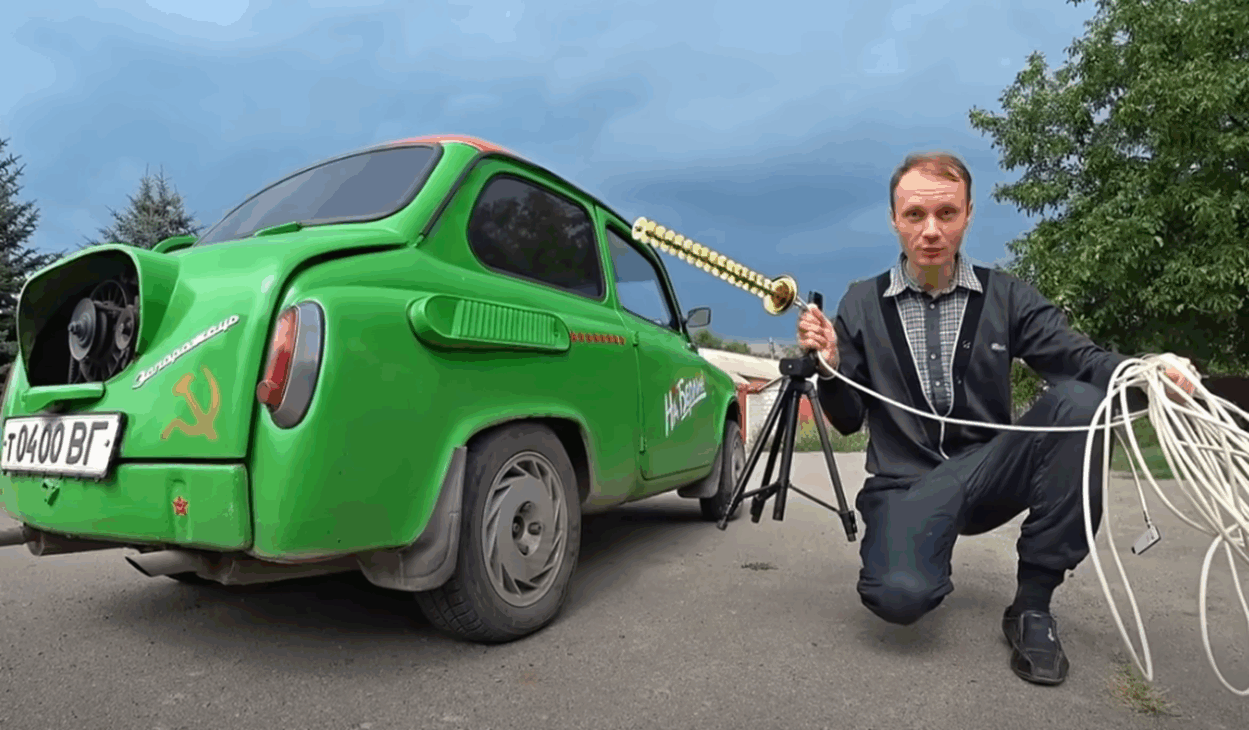
Excited with the first results, the creator decided to take the experiment to another level. He placed the antenna on top of a car and drove through the streets in search of more Wi-Fi networks.
The mobility brought new challenges and opportunities.
During the journey, the “Wi-Fi gun” found dozens of networks, many of which would not have been detected with conventional equipment.
Among them, he located another open network, where he was able to connect and browse again without difficulties.
The equipment, although simple in appearance, demonstrated efficiency in extending signal range.
The combination of accessible materials, precision in cutting, and basic electronics knowledge resulted in a device capable of greatly surpassing the reception power of a common Wi-Fi adapter.
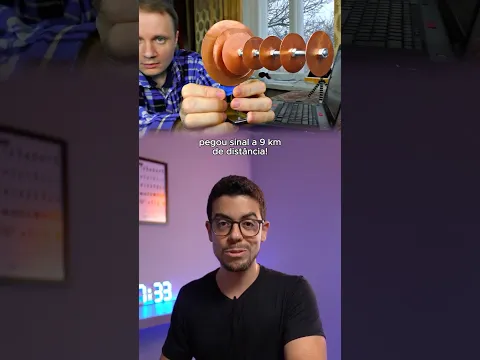

The Wi-Fi Gun 2.0 Project
This second version of the project was considered by the creator himself as an important advancement over the first attempt.
With a size three times larger and ten times more powerful, the new antenna proved effective both indoors and outdoors.
The use of repurposed parts and improvisation with simple tools also showed that it is possible to develop high-performance projects even without labs or large investments.
The combination of research, creativity, and dedication was essential for the success of the experiment.
The KREOSAN Channel Keeps Surprising
KREOSAN has already become known online for its curious inventions and unconventional experiments.
The projects vary from homemade antennas to experimental equipment, always with strong visual appeal and practical explanations of the assembly process.
This new episode with the Wi-Fi Gun 2.0 attracted the attention of followers again, once again showing how practical science and ingenuity continue to spark curiosity and inspiration.









Cara esse vídeo da antena tem mais de 2 anos no YouTube. Tá meio atrasado🤭
Anteninha