Portuguese
  Spanish


IBGE Reports That the 2024 Agricultural Crop Generated R$ 783 Billion in Production Value in Brazil. Find Out Which Crops Stood Out and How the Sector Impacts the Economy.
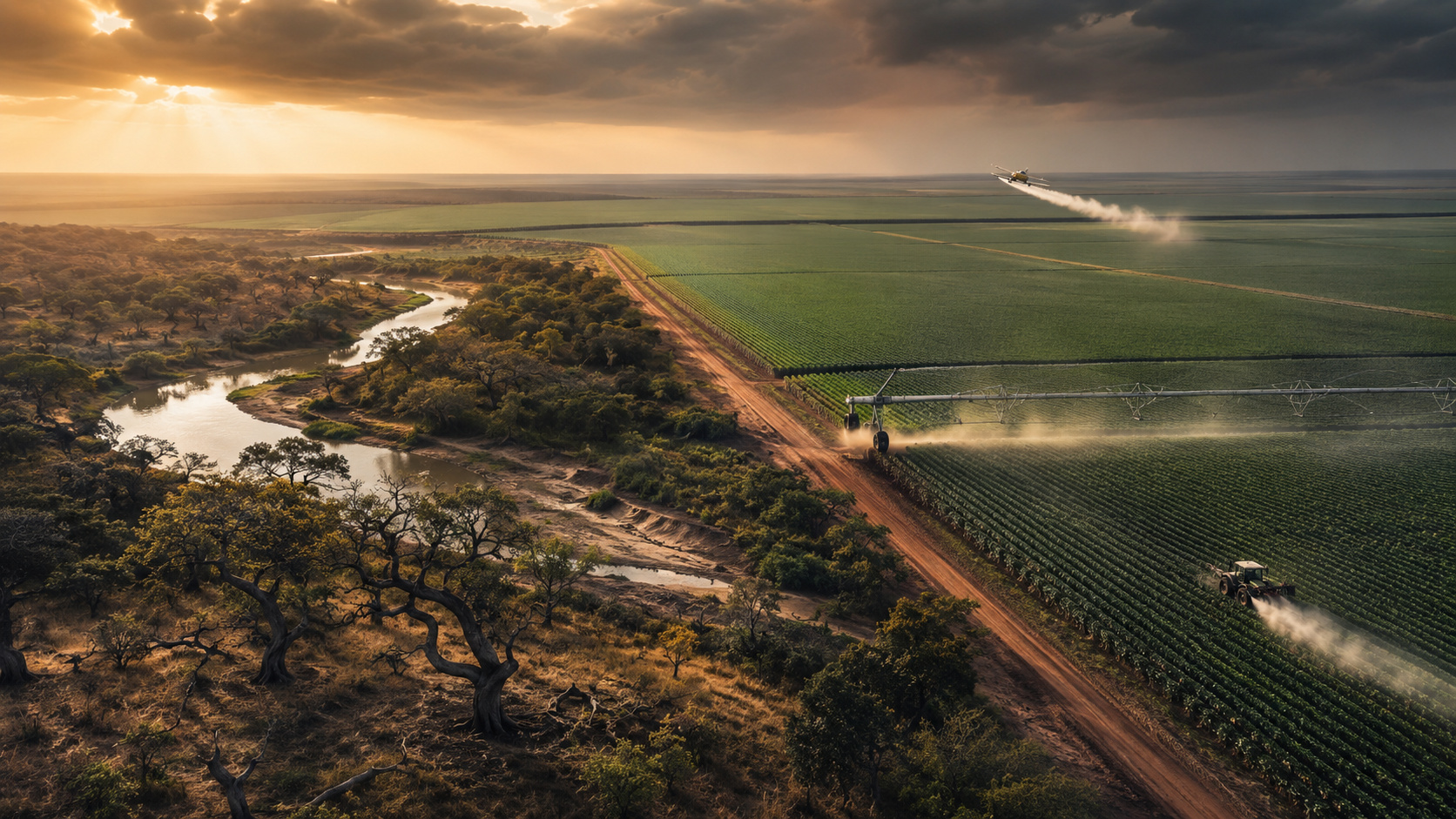
In 2024, the Brazilian agricultural harvest registered a production value of R$ 783.2 billion, a setback of 3.9% compared to the previous year. The decline is attributed to a series of factors that affected the profitability of the country’s main commodities.
The Brazilian Institute of Geography and Statistics (IBGE) pointed out that the decrease in international prices of major crops, such as soybeans and corn, and climatic difficulties were decisive for this retraction in crop value.
External and Internal Challenges Affect Agricultural Production
The main reason for the decline in production value for the 2024 harvest was the reduction in agricultural commodity prices in the international market.
-
India’s Sugar Export Cuts and Ethanol Shift Amid El Niño Threat Could Impact Global Prices and Stocks

-
Quarantine Pest Threatening Palm Trees Puts Brazilian Authorities on Alert, Prompts Monitoring at University of Taubaté and Potential Control Measures Across São Paulo
-
Global Alert: Report Finds 159 Pesticides in Coffee Beans Sold in Europe, Posing Serious Risks to Millions of Farm Workers
-
Low-Demand Brazilian Beef Offal Gains Popularity Abroad: Indonesia Purchases $19.5 Million, Boosting Revenue and Reducing Waste



Soybeans, for example, one of Brazil’s main sources of revenue, performed below expectations.
The combination of a recovery in supply in Argentina and a reduction in global demand resulted in a 25.4% decrease in the value generated by soybeans, totaling R$ 260.2 billion.
This drop in prices directly affected the profitability of Brazilian producers, who saw their margins shrink.
Another important factor was climatic variation.
IBGE emphasized that unfavorable weather conditions, such as droughts and excessive rainfall in some key growing regions, harmed the performance of summer crops like soybeans and corn, reducing the average yield of these crops.
The reduction in volume harvested, combined with falling prices, caused the production value of the 2024 harvest to be lower.
Soybeans Expand, but Corn Faces Decline
Although the total area planted in Brazil increased by 1.2% in 2024, the dynamics of the crops were unequal.
Soybeans continued their expansion trajectory, with an increase of 1.8 million hectares, reflecting the growth in domestic and international demand for the crop.
This growth is a response to the high profitability of soybeans, which remains the main focus for Brazilian producers.
On the other hand, corn registered a decrease of 4.9% in the cultivated area, with an 8.2% drop in the first harvest.
The higher profitability of soybeans, with lower risks, led many farmers to switch from corn production to soybeans, which are considered financially safer, especially in light of climatic uncertainties.
Coffee and Cotton: Rising Sectors in the Field
Despite the overall retraction in production value, some crops showed promising performance in 2024.
Coffee, for example, saw a 1.2% increase in production volume, reaching 3.4 million tons, and generated an impressive 58.1% increase in production value, totaling R$ 69.2 billion.
This increase was driven by the appreciation of the commodity in the international market, which experienced strong demand.
Another highlight was cotton, which achieved a record production of 8.5 million tons, a 13.7% growth compared to the previous year. This resulted in a 5.6% increase in production value, totaling R$ 31.3 billion.
Sugarcane: Stability in Value but Decline in Production
Sugarcane, one of Brazil’s main crops, also faced a challenging year. Production fell by 2.9%, totaling 759.7 million tons.
However, production value had a slight increase of 3%, totaling R$ 105 billion, thanks to stable prices and increased ethanol production, which remains a strategic alternative for Brazil’s energy matrix.
Value Distribution: The Top 10 Crops Dominate National Production
The ten most representative crops in Brazilian agriculture continue to dominate production value in the country, accounting for 83.5% of the total.
Soybeans, corn, sugarcane, coffee, and cotton remain the pillars of national agricultural production.
This shows that, even with declines in some commodities, the sector still relies on a relatively small number of crops to sustain the agricultural economy.
Overcoming Challenges and Seeking Innovation
The 2024 harvest reveals both the challenges and opportunities in the agricultural sector in Brazil.
Although the retraction in production value was a blow to agribusiness, the country continues to be a global agricultural powerhouse.
The pursuit of new technologies and more sustainable practices will be essential to reduce the impacts of climate fluctuations and improve crop profitability.
Additionally, diversifying production will be an important strategy to mitigate risks.
Crops like coffee and cotton, which showed positive results, can serve as examples for producers seeking new alternatives to ensure financial stability in a constantly changing global agricultural market.
Source: AgroEstadão