






 Portuguese
  Spanish


Bills In The National Congress Reignite The Debate About Self-Service At Gas Stations In Brazil, Placing Modernization And The Maintenance Of 500,000 Jobs On Opposite Sides.
The debate on allowing self-service at gas stations in Brazil clashes with two visions for the country. On one side, the pursuit of modernization, aligned with common practices in the United States and Europe, promises more efficiency and lower prices. On the other, concerns about the social impact of the extinction of approximately 500,000 gas station attendant jobs.
The discussion, currently prohibited by Law No. 9,956/2000, has gained traction with bills being processed in the National Congress. The issue, however, is complex and divides opinions not only among politicians and society but also within the sector itself, with owners of gas stations and attendants united by a common skepticism.
Law No. 9,956/2000: The Rule That Prohibits Self-Service At Gas Stations In Brazil And Protects 500,000 Jobs
The pillar that supports the current fuel supply model in Brazil is Law No. 9,956, dated January 12, 2000. Directly, the law prohibits self-service at gas stations in Brazil. The original justification for the law was clear: to preserve jobs for gas station attendants and ensure safety by preventing untrained individuals from handling flammable products.
-
How to Prevent Brown Recluse Spider Bites: Common Hiding Spots and Free Tips to Reduce Risks

-
Natto: The Unusual Japanese Superfood Gaining Popularity on Social Media and Driving Record Exports
-
Brazilian Mayor Goes Undercover as Homeless for 24 Hours to Assess Public Services

-
15-Year-Old Entrepreneur Malu Lira Publishes 20 Children’s Books on Financial Education, Earns $500,000, and Expands Her Project to the Amazon Rainforest




For over two decades, this legislation has shaped the sector and created a protection structure for around 500,000 professionals. For unions in the category, such as FENEPOSPETRO (National Federation of Gas Station Attendants), the law is a historic victory. For proponents of change, it is the main obstacle to be overcome.
Bills Aim To Liberate The Model From The U.S. And Europe
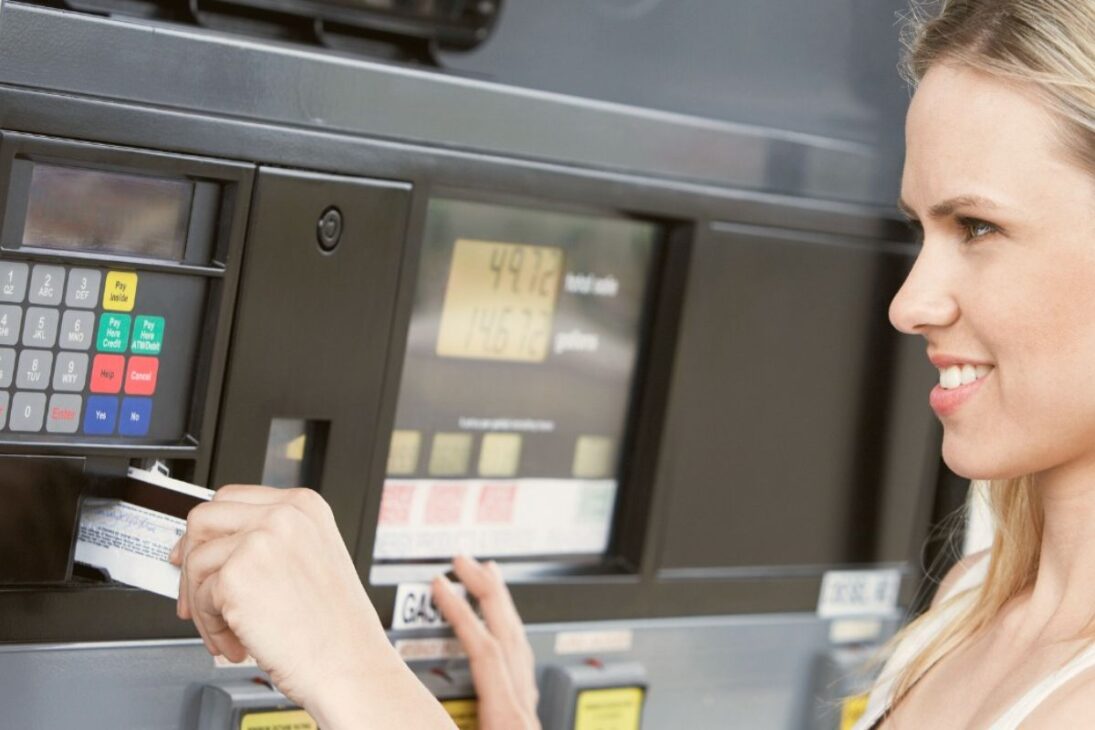
The dispute over self-service at gas stations in Brazil materializes in different proposals in Congress. The most direct is Bill 2302/2019, which is being processed in the Chamber and seeks the total repeal of the 2000 prohibition, advocating for economic freedom and modernization.
In the Senate, a more moderate approach has emerged with Bill 5,243/2023. Rather than a total break, the project hints at the possibility of a hybrid model, allowing gas stations to dedicate part of their pumps to self-service. This proposal is seen as a compromise that could break the service monopoly with attendants without causing an immediate collapse in the number of jobs.
The Vision Of CADE For More Competition And Lower Prices
The main institutional advocate for change is CADE (Administrative Council for Economic Defense). The body argues that the prohibition of self-service is an artificial barrier to competition and efficiency. For CADE, the liberation of self-service would result in lower operational costs for gas stations, which, in a competitive market, would be passed on to consumers in the form of lower prices.
This view is shared by liberal-leaning lawmakers, who see the prohibition as a sign of backwardness. They argue that self-service at gas stations in Brazil would encourage investment in new payment technologies and automation, aligning the country with international practices. It is a vision that prioritizes modernization and consumer choice.
Why Do Gas Station Owners Join Attendants Against Change?
Surprisingly, the entity representing gas station owners, Fecombustíveis, shows skepticism and aligns with the resistance of attendants. The reasons, however, are purely pragmatic and financial.
The federation argues that the fueling time for self-service is much longer (around ten minutes, compared to less than three with an attendant). To maintain the same sales flow, a gas station would need to triple the number of pumps, an unviable investment for most. Additionally, most urban gas stations do not have physical space for this. Fecombustíveis estimates that the final savings per liter would be marginal, not compensating for the operational chaos and high investment.
The Risks And Benefits Of A Possible Transition


The pressure for modernization, seen in sectors such as automakers adopting new technologies, makes it unlikely that the current model will remain the same indefinitely. The central question is not whether change will come, but how. A sudden break from the current system would bring immense social costs for an uncertain economic benefit.
The most likely and sensible path seems to be a gradual and managed transition. The adoption of a hybrid model or regional pilot projects would allow data collection on the real impact on prices, safety, and employment. A fair transition would require a fund for worker retraining and new safety standards for self-service at gas stations in Brazil, balancing the inevitable evolution of the market with social responsibility.








É uma lei que só protege emprego e encarece os custos. Eu mesmo abasteço o meu carro e pago na própria bomba.
Não daria certo, fora q se com nós frentistas ali, as pessoas não seguem leis básicas como n fumar, desligar carro n usar celular com a bomba ligada, etc… eu imagino o caos de furtos, incêndios e explosões. Fora que são 500.000 desempregados, onde isso ajuda na economia? Enfim o Brasil não tem estrutura e muito menos educação pra isso.
Mentira!!!
Autoatendimento.é.suoer rapido..se.quer completar, enche e paga. Se quer somente “x” digita na bomba e pimba. E nao fica segurando bomba enquanto cliente vai pagat. Alias, se for.para.mudar.pra.melhor, mantenham, entao os frentistas, mas com.pagamentos diretos nas bombas e ponto final.