






 Portuguese
  Spanish
  3 min of reading
  0 comments



Generating More Solar Energy Than Allowed by the Utility is Possible with the Proper Request for Increased Power Availability. This Way, You Can Supply Multiple Consumer Units and Make the Most of the Benefits of Solar Energy.
Did you know that the installation of a solar energy system is limited by utilities? This limit is based on the power available for your consumer unit. But what to do if you need to generate more solar energy than allowed to supply other units?
When you decide to install a solar energy system in your home, it is common to think that you can install any size of system and freely share the excess credits. But it doesn’t work that way. According to ANEEL’s regulatory resolution, the installed capacity of the photovoltaic system is limited by the power available for the consumer unit where the system will be connected.
To Install a Solar Energy System Above the Limit, You First Need to Discover What That Limit Is


Thus, to install a solar energy system above the limit, you first need to discover what that limit is. The installed capacity of a photovoltaic system is the lesser value between the total power of the inverters (in kW) and the total power of the photovoltaic modules (in kWp).
-
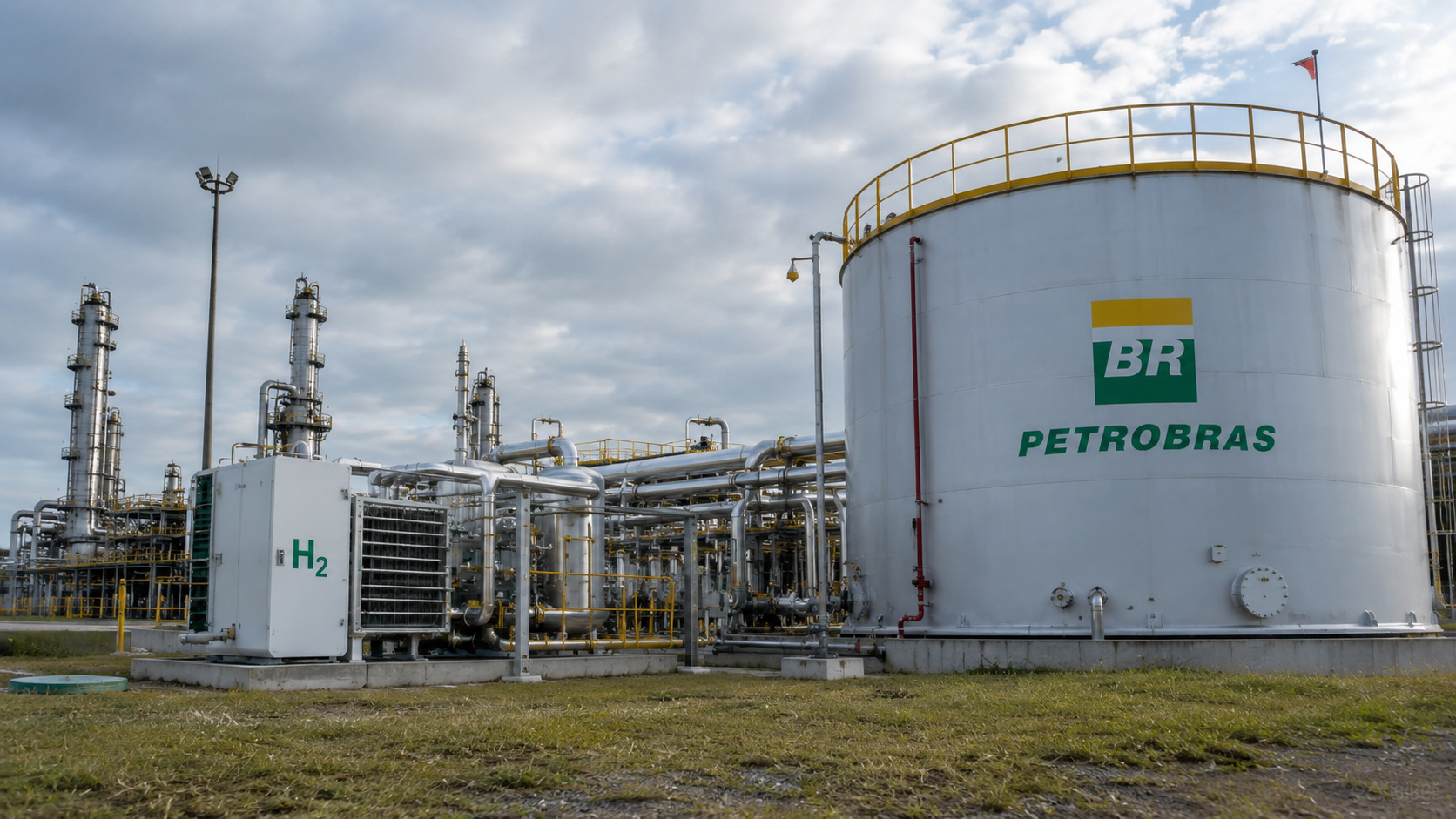
Brazilian scientists are simultaneously advancing two research projects on clean hydrogen and driving solutions that could transform the energy matrix, enhance industrial competitiveness, and accelerate large-scale emission reduction targets.

-
Advancement in renewable energy: A R$ 150 million project launched by Petrobras and Finep aims to create state-of-the-art electrolyzers for green hydrogen, strengthening national research and preparing Brazil to compete in a billion-dollar energy market.
-
Solar energy can increase property value by up to 10% and become a selling point.
-
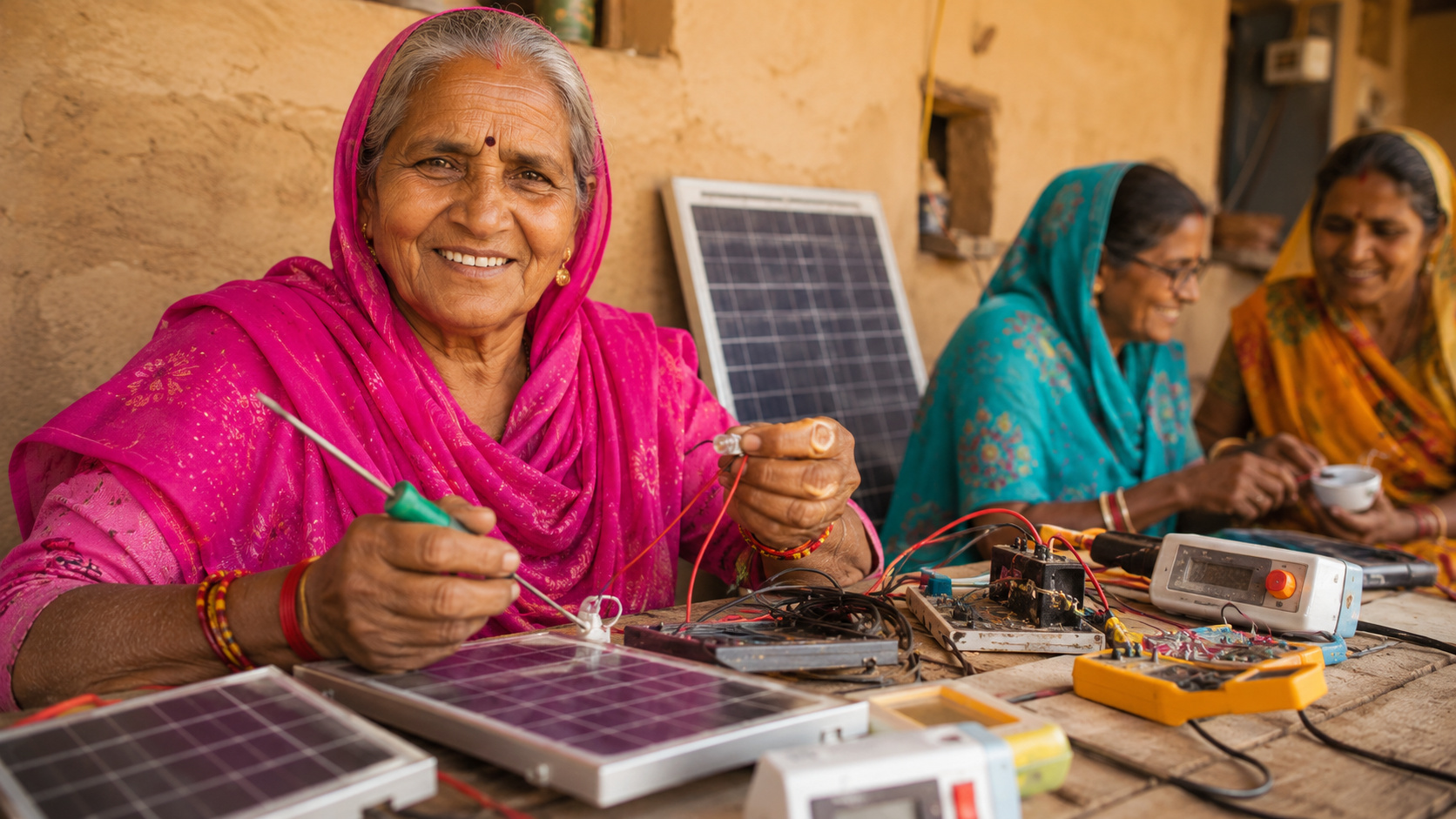
Illiterate or semi-literate grandmothers were trained to repair solar systems, open rural workshops, and light up homes that still depended on kerosene.


For example, if a system has a 10 kW inverter and photovoltaic modules totaling 15 kWp, the installed capacity will be 10 kW. If the inverter is 10 kW and the modules total 9 kWp, the installed capacity will be 9 kW.
Check the Current of the Circuit Breaker at the Entry Standard of the Consumer Unit and the Voltage of the Grid
Now, to discover the power available from the utility, check the current of the circuit breaker at the entry standard of the consumer unit and the voltage of the grid. Multiply the grid voltage by the circuit breaker current and by the power factor, considering the number of phases (single-phase, two-phase, or three-phase).
Let’s take a practical example: if the consumer unit has a circuit breaker of 80A, a voltage of 220V, and the installation is three-phase with a power factor of 0.92, the available power will be: 3×220×80×0.92=28,000W or 28kW. This means you can install a photovoltaic system of up to 28 kW.
But What to Do If You Need to Install More Power?
But what to do if you need to install more power? The solution is not to request an increase in the installed load, but to ask the utility for an increase in the available power along with the connection budget request for the photovoltaic system. This simplifies the process and speeds up installation.
Many professionals in the market still do not know about this possibility. Sharing experiences and tips in the comments can help everyone better understand how to optimize solar energy installation, ensuring efficient generation suited to their needs.





Be the first to react!