






 Portuguese
  Spanish


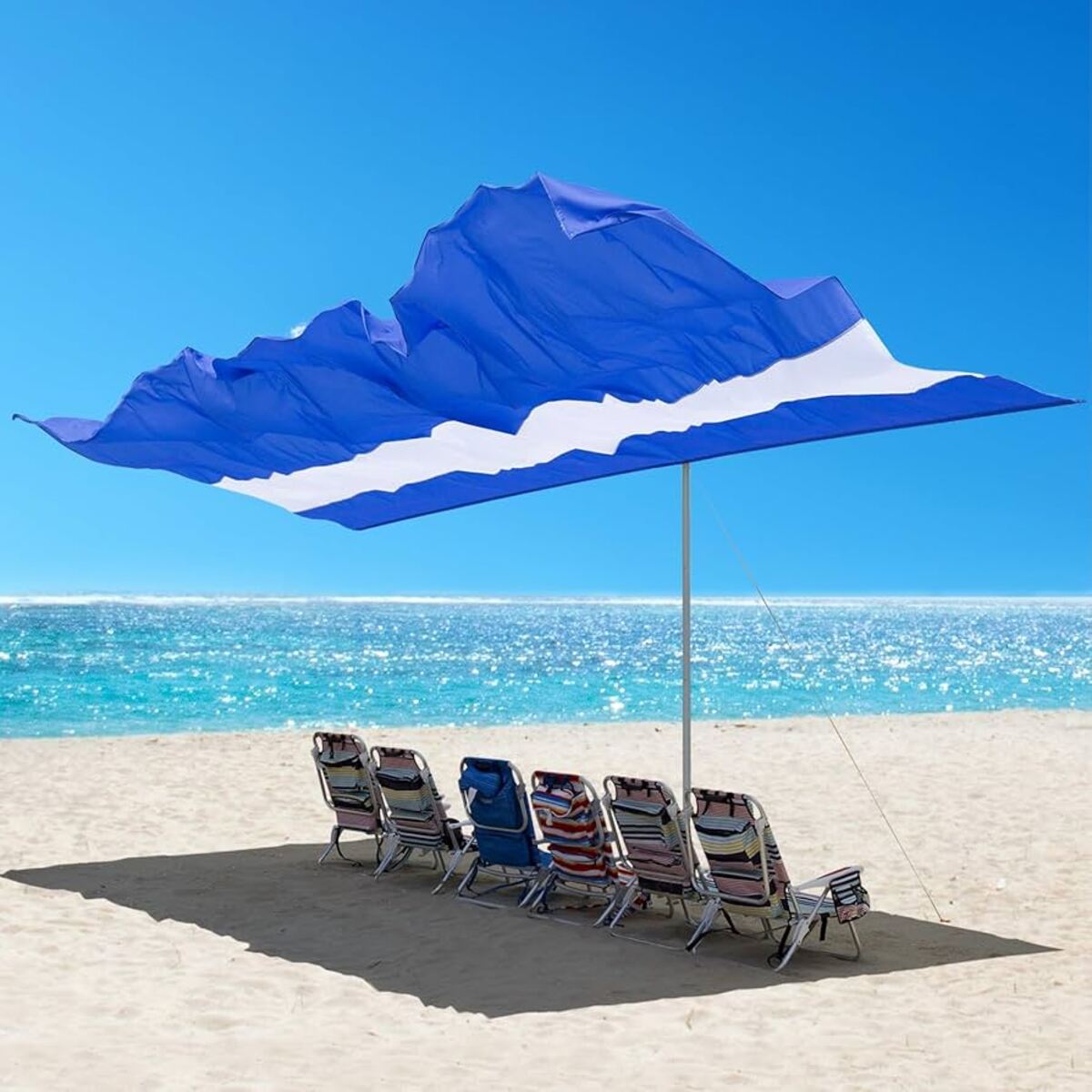

Understand Why the Wind on the Coast Is Not Just a Pleasant Feeling, It’s a Climatic Phenomenon That Has Its Importance.
For many, the constant breeze that caresses the face at the beach is an irresistible invitation to relax. However, it is a fascinating climatic phenomenon and fundamental to the dynamics of coastal regions.
Have you ever wondered why it blows at the beach so frequently and intensely? The answer lies in a complex ballet between land and sea, where temperature and atmospheric pressure orchestrate a constant natural spectacle.
Why Does It Blow at the Beach? The Meeting of Temperatures Creates Air Movement
The main reason why it blows at the beach lies in the temperature difference between land and water, and how this variation affects atmospheric pressure. This is the essence of the phenomenon known as sea breeze and land breeze.
-
Crab Trapped in Plastic Bottle for 62 Days Near Okinawa Highlights Little-Known Impact of Marine Pollution on Small Animals

-
Esperanza’s Bamboo Barrier in Oaxaca Redirects River and Reduces Erosion by 85% in Five Years

-
Family Builds Homemade Wind Turbine to Power Off-Grid Home, Video Reaches 555,000 Views on Ngô Thị Huyền’s Channel
-
Indian Brand Creates Sneakers from Recycled PET Bottles and Discarded Tires, Repurposing Over 1 Million Bottles and Raising $4 Million for Expansion





During the day, the sand and soil heat up much more quickly under the sunlight than the seawater. The specific heat of land is lower than that of water, meaning it absorbs and radiates heat more efficiently.
As the land heats up, the air directly above it also warms, becoming less dense and rising. This upward movement of air creates a low-pressure area over the land.
Simultaneously, the seawater, having a higher specific heat, warms more slowly and therefore remains cooler than the land.
The air over the ocean, being colder and denser, tends to sink, creating a high-pressure area. To compensate for this pressure difference, the colder, denser air over the sea moves toward the low-pressure area over the land. This movement is what we perceive as the breeze blowing from the sea to the sand.
The Wind as Sculptor: From Sea Breeze to Land Breeze
The wind cycle at the beach does not stop with the daytime sea breeze. At night, the process reverses, resulting in the land breeze. The land, which heats quickly, also loses heat more quickly than water.
The sea, which has absorbed heat throughout the day, retains this energy for a longer time, becoming warmer than the land at night.
In this nighttime scenario, the air over the sea (now warmer) rises, creating a low-pressure area over the water. The air over the land (colder and denser) sinks, forming a high-pressure area.
Thus, the wind blows from the land towards the sea. This phenomenon is less noticeable for those at the beach at night, but it is crucial for fishermen and coastal navigation.
This constant wind dynamic is one of the reasons that shape coastal landscapes. It influences sand dune formation, environmental salinity, and even coastal vegetation, which adapts to withstand this constant force.
More Than a Feeling: The Importance of Wind at the Beach
Understanding why it blows at the beach goes beyond mere curiosity. The wind in coastal regions plays crucial roles:
- Thermal Regulation: The sea breeze acts as a natural air-conditioning system, alleviating high daytime temperatures in coastal areas and making the climate more pleasant.
- Pollutant Dispersion: It helps disperse atmospheric pollutants, contributing to air quality in coastal cities.
- Coastal Ecosystems: It influences the distribution of plant and animal species, as well as playing a role in ocean current dynamics and nutrient distribution.
- Human Activities: It is essential for water sports such as sailing, windsurfing, and kitesurfing, and for economic activities like wind energy generation.
Therefore, the wind at the beach is a fascinating reminder of the complexity and interconnection of our planet’s natural systems. It is the invisible dance between land and sea, driven by temperature and pressure differences, that gives us the refreshing breeze and shapes the beauty of our coasts.


