Portuguese
  Spanish


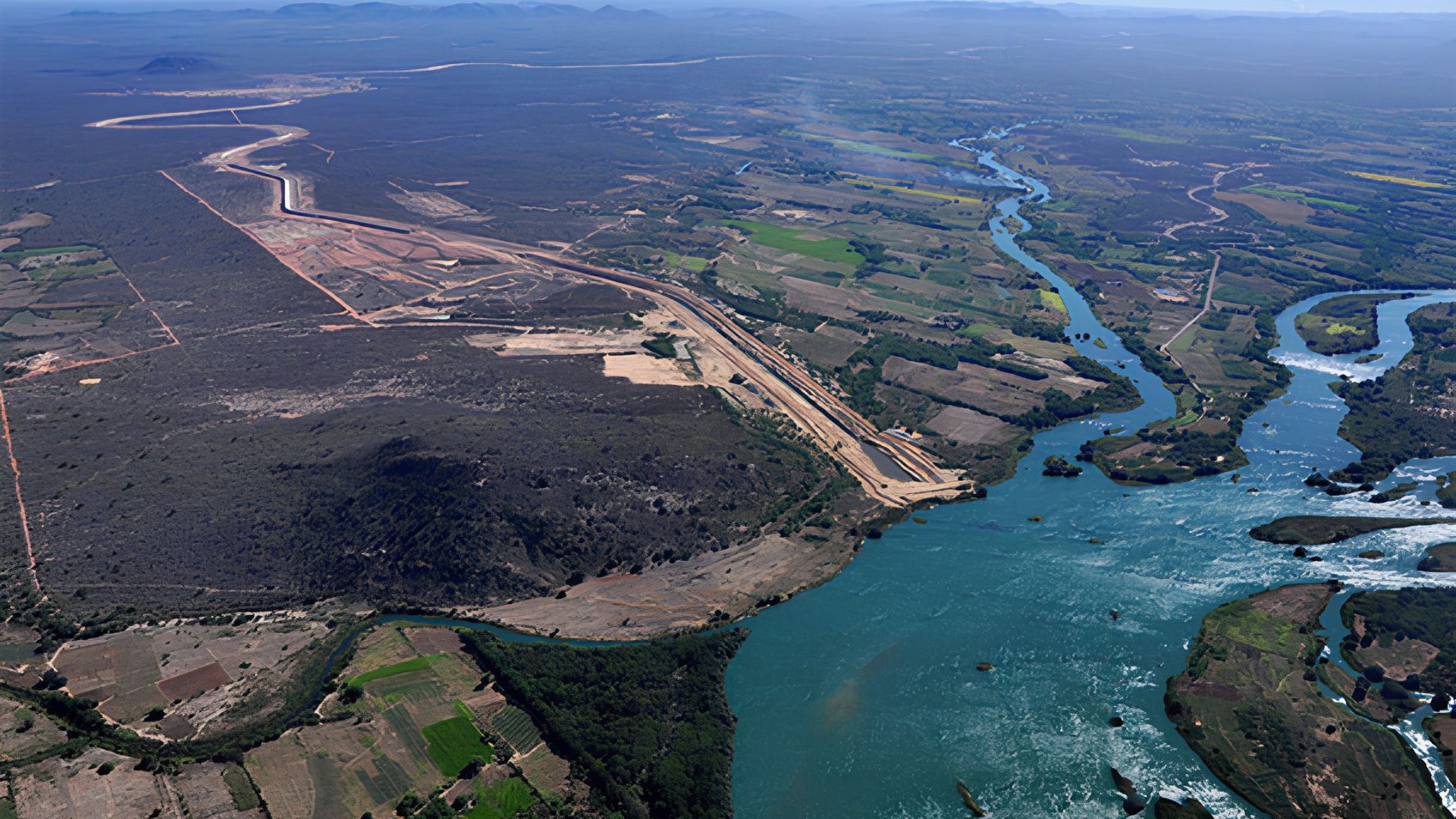

Government studies reactivating 1,371 km of the São Francisco waterway to transport millions of tons and reduce logistics costs inland.
On May 05, 2026, the Ministry of Ports and Airports once again placed at the center of the national logistics agenda a project that could change the dynamics of transportation in the country’s interior: the reactivation of the São Francisco River waterway. The proposal involves a navigable stretch of approximately 1,371 kilometers between Pirapora, in Minas Gerais, and Juazeiro and Petrolina, on the border between Bahia and Pernambuco, with the potential to serve 505 municipalities and approximately 11.4 million people, according to official data released in April 2026.
The plan foresees the resumption of commercial navigation on one of Brazil’s most important natural routes, historically used for cargo and passenger transport, but which has lost relevance over the last few decades. The current proposal specifically targets the outflow of grains, fertilizers, fuels, and industrial inputs, with a direct impact on logistics costs and the final price of food inland.
1,371 km waterway can reconnect the interior to low-cost, high-capacity transport
The stretch studied for reactivation covers one of the most relevant areas of the Brazilian interior, connecting producing regions of Minas Gerais to the northeastern semi-arid region. This geographical strip concentrates agricultural, industrial, and energy activities that heavily depend on road transport.
-
Major Appliance Manufacturer Closes Factory in Argentina, Shifts Production to Brazil, and Restructures in Latin America with Mexico Closure, Investing Up to $165 Million

-
China to Revive $3.6 Billion Mega-Dam Project in Myanmar, Stalled Since 2011, Promising 6 GW Capacity and Completion in Eight Years

-
Foreign Company Wins Auction for Brazil’s First Immersed Tunnel, a $1.3 Billion Project with $14 Million Contract Under Federal Investigation

-
China’s Century Megaproject Wows the World: Massive Water Transfer Network Moves Water from Wet South to Arid North, with Ambitious Plans in the Tibetan Plateau Involving Giant Tunnels at Altitudes up to 4,000 Meters


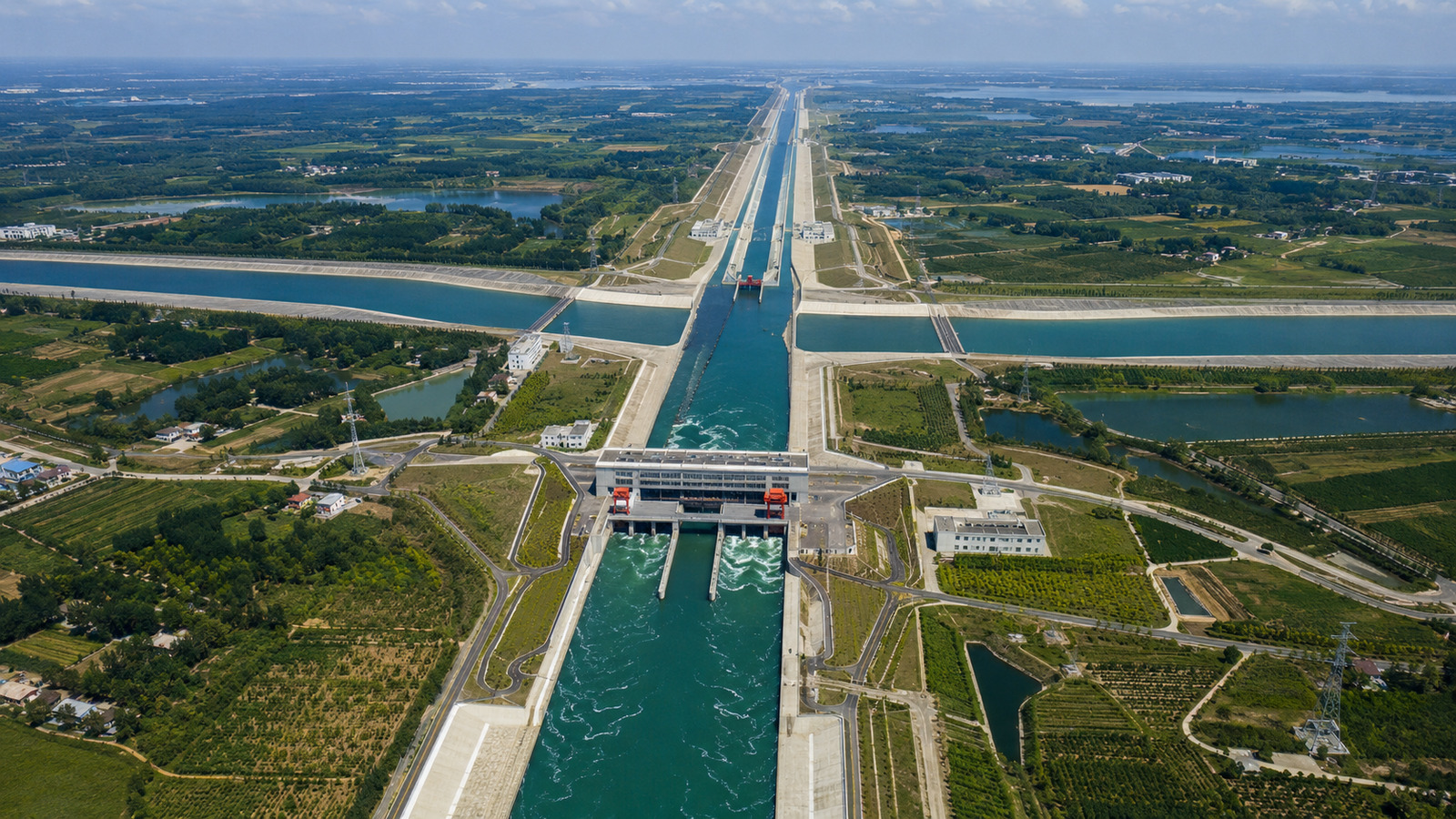
The resumption of commercial navigation would allow for the transport of large volumes at a lower cost per ton, taking advantage of a fundamental characteristic of waterway transport: large-scale efficiency.


A single vessel can replace dozens of trucks, reducing road congestion, fuel consumption, and wear on terrestrial infrastructure.
Furthermore, the system can be integrated with railways and highways, forming a multimodal logistics corridor capable of redistributing cargo with greater efficiency.
Project aims for up to 5 million tons per year and direct impact on food prices
According to estimates presented by the federal government, the waterway could move up to 5 million tons of cargo in its first year of operation, if the reactivation is successfully implemented.
This volume primarily includes agricultural products, such as grains, as well as essential inputs for rural production, such as fertilizers. There is also potential for transporting fuels and construction materials.
The most direct impact is on the reduction of logistics costs, which today represent a significant portion of the final price of various products in the country’s interior.
By reducing transport costs, the waterway can help make food and inputs more accessible, especially in regions far from major centers.
Historical decline of navigation on the São Francisco opened space for strategic resumption
The São Francisco River was once one of Brazil’s main transport routes, especially before the expansion of highways. For decades, vessels transported people and goods along the river, connecting cities and productive regions.
With the advance of road transport and the lack of investment in waterway maintenance, commercial navigation lost ground. Problems such as silting, variations in water level, and the absence of adequate infrastructure contributed to this decline.
The proposed reactivation now seeks to reverse this process, adapting the waterway to current conditions and modern logistics demands.
Technical challenges include dredging, signaling, and river level control
Despite its potential, the project faces significant technical challenges. One of the main ones is silting, which reduces the river’s depth in certain stretches and hinders navigation.
To enable large-scale cargo transport, dredging works will be necessary, removing accumulated sediments from the riverbed.

Another critical point is waterway signaling. Commercial navigation requires guidance, buoyage, and monitoring systems to ensure safety and predictability.
Furthermore, the variation in water levels throughout the year can affect operations, requiring integrated dam management and hydrological control.
Without these interventions, the waterway cannot operate regularly and efficiently, which makes the infrastructure phase decisive for the project’s success.
Integration with dams and hydroelectric plants will be essential for navigation stability
The São Francisco River hosts several hydroelectric plants along its course, which directly influences water flow and navigability.
The waterway’s operation will depend on coordination between power generation and river transport, ensuring minimum water levels for vessel passage.
This type of integration already occurs in other waterways worldwide but requires technical planning and operational agreements between different sectors.
Water resource management now plays a central role not only in energy generation but also in national logistics.
Project could reduce pressure on highways and enhance the country’s logistical efficiency
Brazil relies heavily on road transport, responsible for a large part of cargo movement. This model has limitations, such as high costs, increased pollutant emissions, and vulnerability to fuel price variations.
The reactivation of the São Francisco waterway could help redistribute this cargo, reducing pressure on highways and increasing the efficiency of the logistics system as a whole.
The diversification of transport modes is considered one of the main strategies to improve the country’s competitiveness, especially in sectors such as agribusiness and industry.
Regional impact could transform the economy of hundreds of municipalities
With an estimated reach of 505 municipalities, the project has the potential to generate significant economic effects in various regions.

Improved transport can attract investments, reduce production costs, and expand market access for local producers. Furthermore, the waterway can stimulate complementary activities such as tourism, fishing, and logistics services.
The impact is not limited to cargo transport but can alter the economic dynamics of entire regions, especially in the interior of the Northeast and Minas Gerais.
Reactivation still depends on technical studies and investment decisions
Despite progress in discussions, the project is still in the study phase. Technical, environmental, and economic assessments will be crucial to define the feasibility of reactivation.
It will also be necessary to define the investment model, which may involve public funds, partnerships with the private sector, or concessions.
Full implementation depends on strategic decisions that go beyond engineering, including regulatory, environmental, and financial issues.
Given this scenario, do you believe that the São Francisco River waterway can truly become one of the country’s main logistical routes again, or do the technical and structural challenges still make this project difficult to get off the ground?