Portuguese
  Spanish


Riacho Grande Project enhances electrical safety in São Paulo and now serves over 2 million people in one of the country’s highest consumption regions
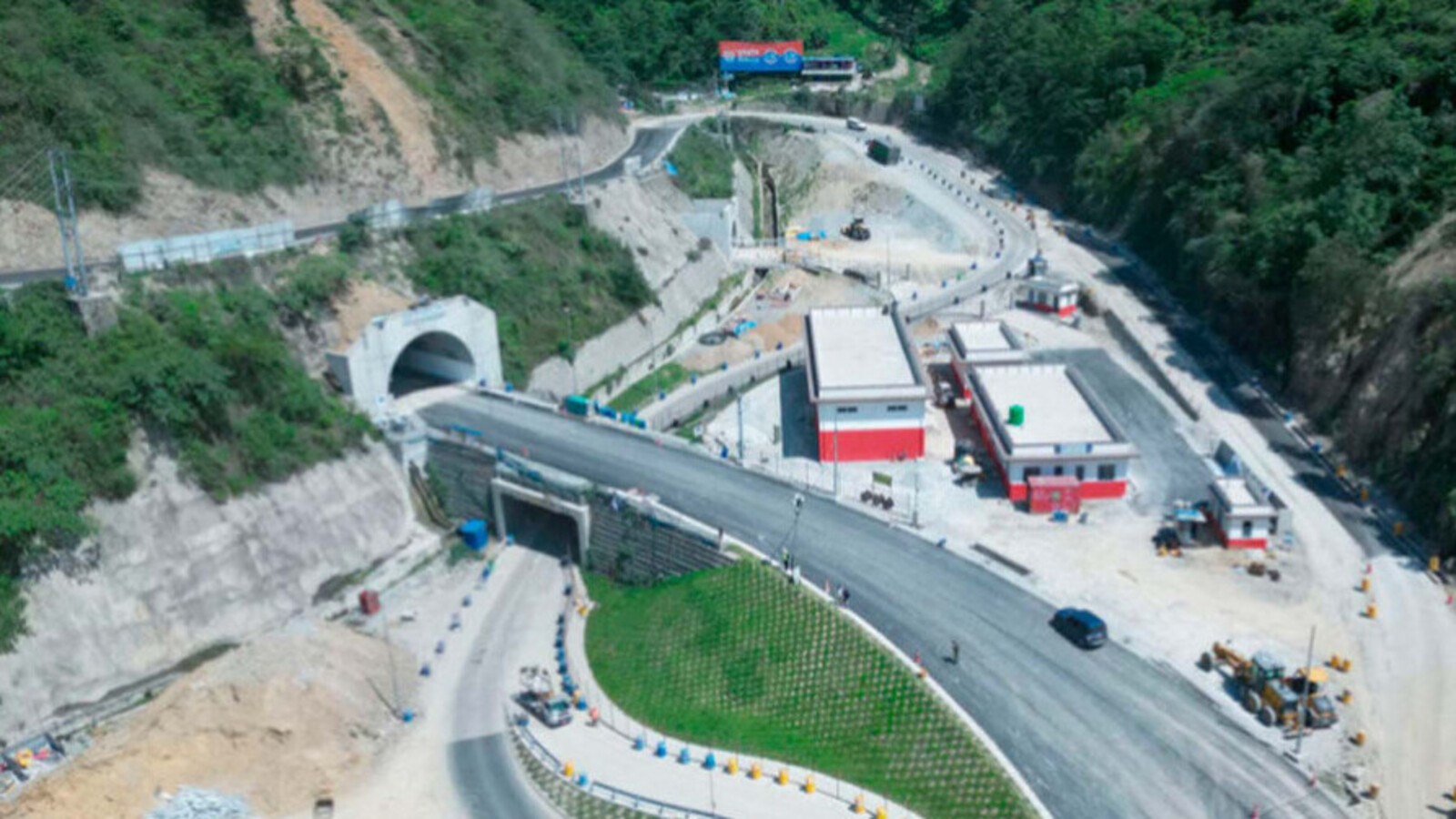
The largest underground transmission line in Brazil, the Riacho Grande Project began operations at the end of March in the state of São Paulo, with 44.6 km in length and an investment exceeding R$ 1.1 billion. Developed by ISA Energia Brasil, the structure was energized five months ahead of the deadline set by ANEEL, according to information from the company and the regulatory agency.
The project now connects the capital of São Paulo to the ABC paulista region, an area marked by high energy demand, strong industrial presence, and high urban concentration. Additionally, the infrastructure combines underground and overhead lines at 345 kV, includes 9 km of overhead sections, and strengthens the service capacity in one of the most pressured regions of the national electrical system.
Billion-dollar project expands transmission in a strategic area of São Paulo
With unprecedented scale in the underground segment, the Riacho Grande Project stands out for combining high voltage, complex urban works, and direct reinforcement to energy supply. Although Brazil already has other underground lines in operation, none reach the scale of this enterprise.
-
As Brazil Expands Social Welfare, Survey Reveals 40% Blame Poverty on Laziness, While 58% Cite Lack of Opportunities

-
China Tightens Control on Antimony, Driving Prices from $22,000 to Nearly $40,000 per Ton as U.S. Rushes to Bolster Strategic Reserves

-
BlackRock Freezes $1 Billion in Brazilian Renewable Energy, Impacting 1.5 GW of Planned Projects and Highlighting Investor Concerns Over Infrastructure Bottlenecks Cutting Up to 25% of Solar and Wind Generation
-
Labor Shortage: Despite Record Average Salary, 90% of Brazilian Bar and Restaurant Owners Struggle to Hire Key Roles Like Sushi Chefs and Head Cooks


The new configuration allows energy from the Itaipu Power Plant to directly serve the ABC and part of the São Paulo capital. Thus, the system gains more security during peak consumption times, overload, or extreme weather events.
The project includes the expansion of the Miguel Reale and South substations, as well as the implementation of the new São Caetano do Sul Substation. The structure has an installed capacity of 800 MVA and plays a central role in the distribution of energy transmitted by the project.
Underground work required technology amid the metropolitan region
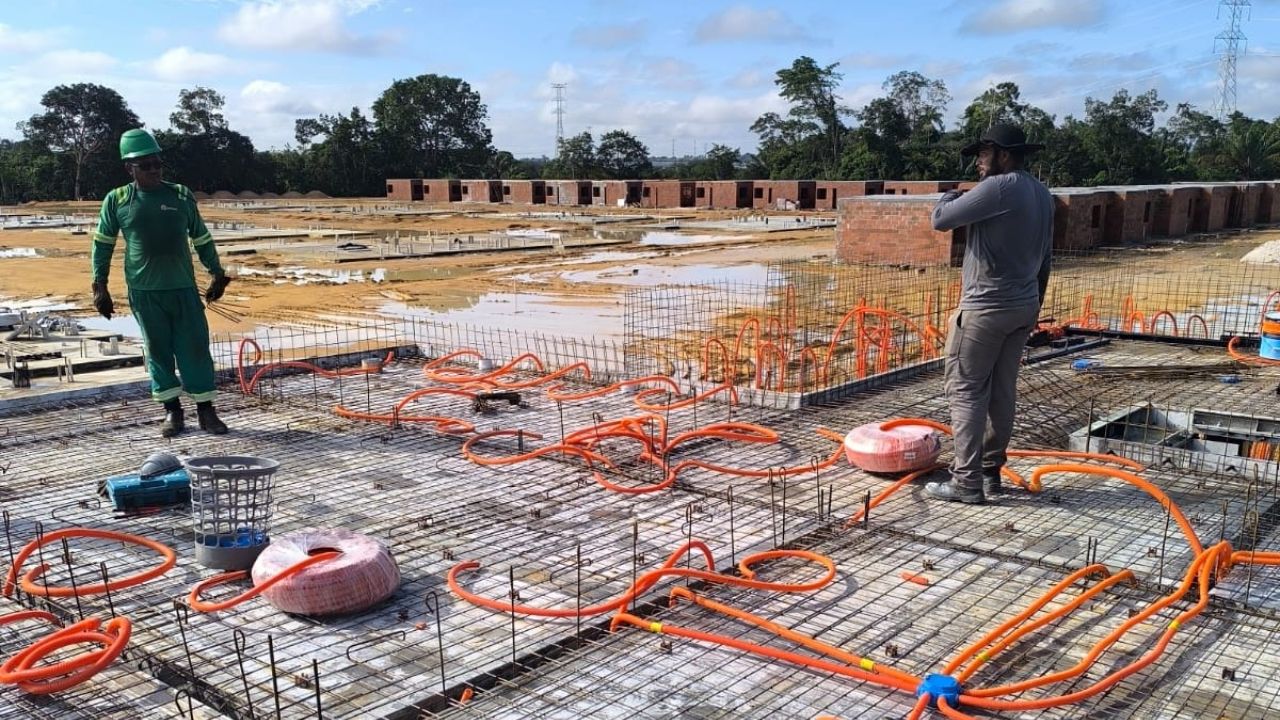
The execution of more than 40 km of underground cables in a metropolitan area required engineering and logistics solutions to reduce impacts on traffic and the daily life of the population. Therefore, the project was planned to traverse a highly complex urban region.
The São Caetano do Sul Substation was built in an area of 11,800 m² and uses GIS technology, an acronym for Gas-Insulated Switchgear. This type of system occupies less space and generates lower noise levels, an important feature in dense urban areas.
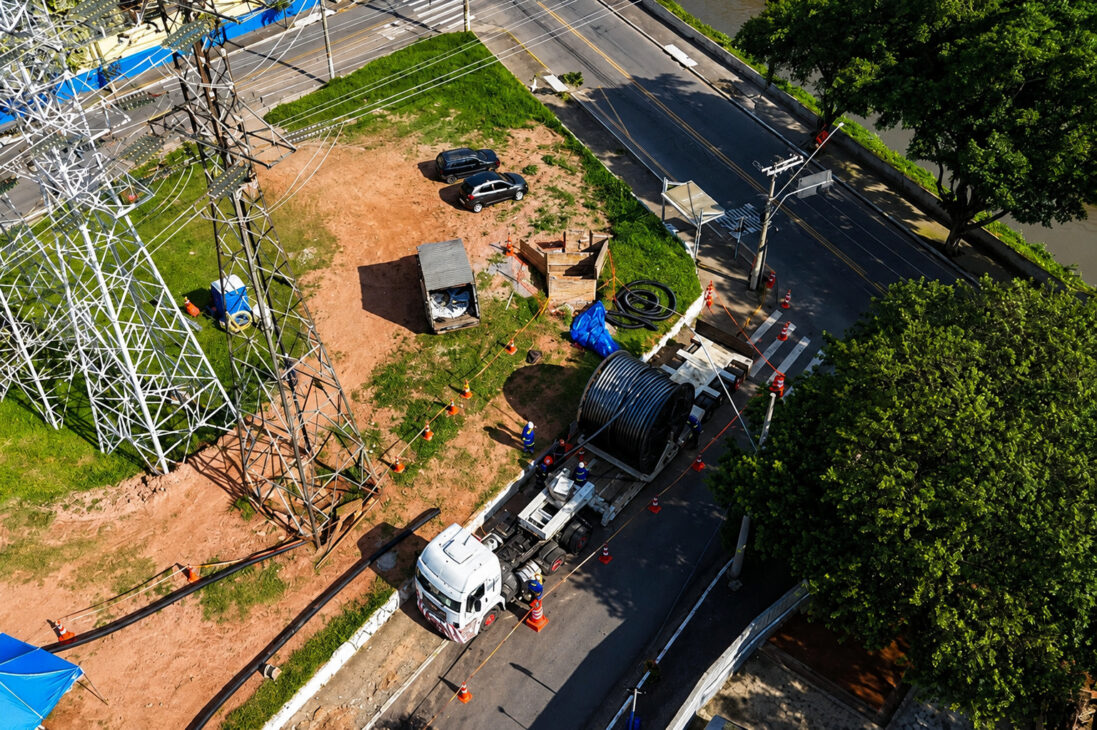
The unit serves more than 2 million people and has three 400 MVA transformers. Two pieces of equipment operate continuously, while a third remains in reserve to enhance the reliability of the operation.

120-meter tower and real-time monitoring are part of the structure
The project also includes a 120-meter high tower near the Billings Reservoir, as well as interconnections with existing substations. Therefore, the work combines underground sections, overhead lines, and support structures at strategic points in the system.
The underground cables feature real-time monitoring, aimed at the operation and maintenance of the network. Thus, the infrastructure allows for continuous technical monitoring and faster response in case of abnormalities.
During construction, the project generated about 2,200 direct and indirect jobs, according to data provided by ISA Energia Brasil. The energy impact was accompanied by workforce movement in different execution stages.
Line reinforces the National Interconnected System in a scenario of higher demand
The start of operation occurs at a time of increased energy demand and greater pressure on the transmission network, especially in metropolitan regions. According to the ONS, projects of this nature expand operational flexibility and reinforce the security of the National Interconnected System.
The Ministry of Mines and Energy assesses that the expansion of transmission is essential to keep up with consumption growth and enable the integration of new generation sources. In this scenario, works like the Riacho Grande Project gain strategic importance.
Thus, the largest underground transmission line in Brazil begins to operate as a significant piece to reduce overload risks, increase network reliability, and reinforce energy supply in São Paulo.
After all, in a region where consumption, industry, and population advance together, can an underground work of this scale redefine urban electrical security?