Portuguese
  Spanish


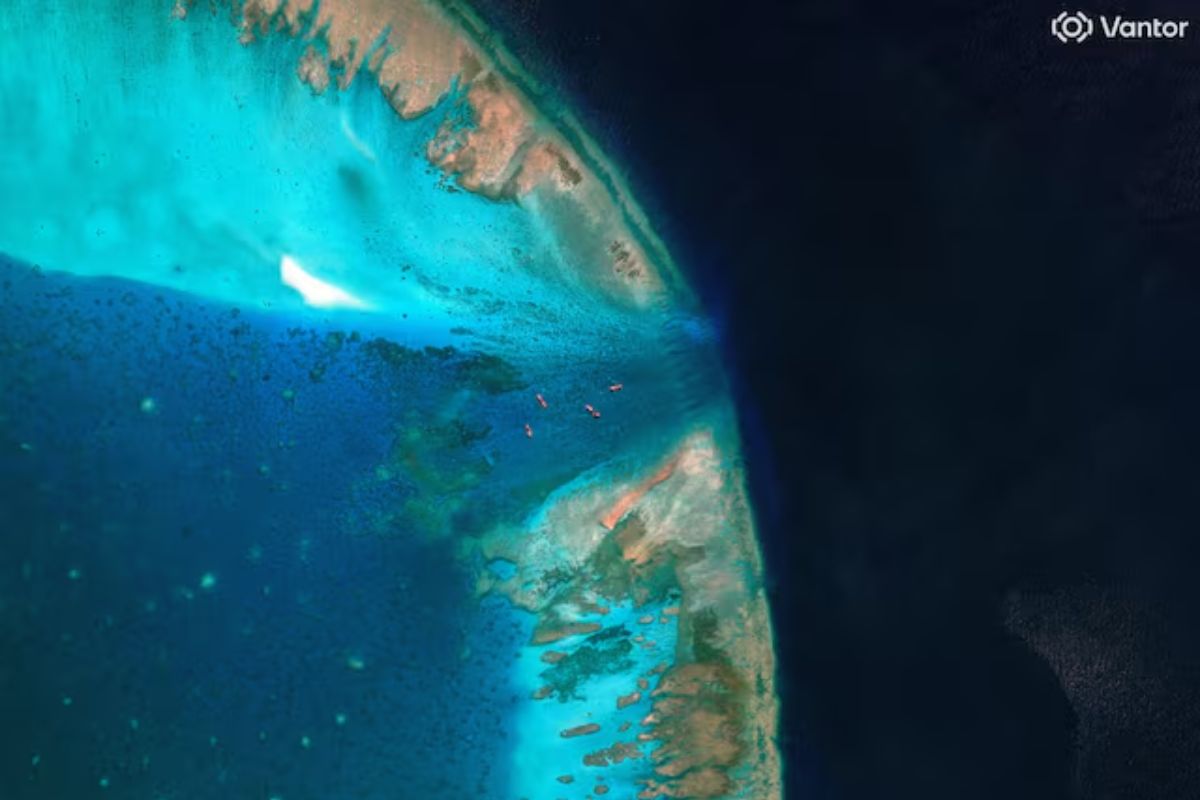

Satellite images obtained by Reuters on April 10 and 11, 2026, show that China installed a 352-meter floating barrier at the entrance of Scarborough Shoal in the South China Sea, as well as positioning four fishing boats, coast guard ships, and at least six Chinese maritime militia vessels inside and around the reef disputed with the Philippines.
The spokesperson for the Philippine Coast Guard, Jay Tarriela, confirmed to Reuters that the barrier was placed between April 10 and 11. The Philippine Navy reported that ten Chinese coast guard ships were spotted in the area between April 5 and 12. China apparently removed the barrier after the weekend, but the Philippines maintains patrols in the area. The satellite imagery provider Vantor, formerly Maxar Technologies, identified the probable presence of a naval or coast guard patrol ship right at the entrance of the reef on April 10. The Chinese Ministry of Defense did not respond to Reuters’ requests for comment.
This is not the first time Beijing has used floating barriers in the region, according to Reuters. The Philippine Coast Guard has cut similar barriers in the past, but the repeated installation demonstrates China’s strategy of creating facts on the ground, forcing Manila to react rather than act. According to Tarriela, the Chinese intensify surveillance whenever they detect groups of Filipino fishermen approaching the reef.
Why does this reef matter to the world?
Sarborough Shoal is one of the most disputed maritime areas in Asia and a traditional fishing ground for Chinese, Filipinos, and Vietnamese.
-
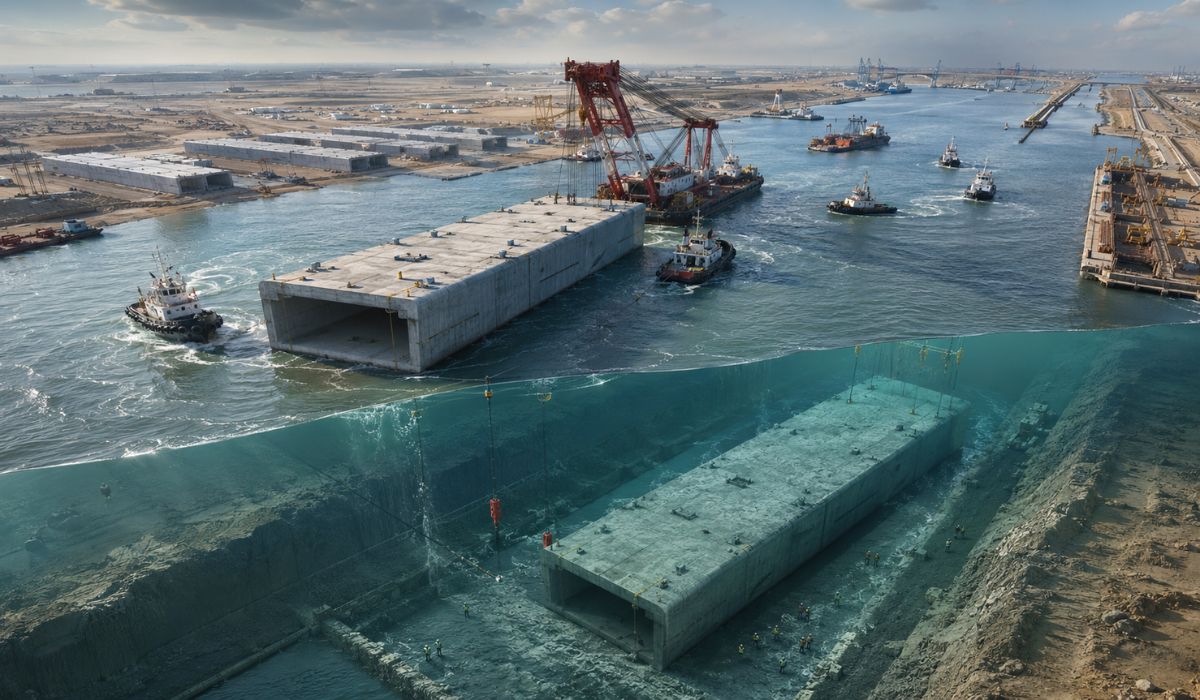
Iraq floats and sinks under an arm of the Euphrates 10 giant concrete boxes of 46,000 tons and 125 meters each to assemble a 2.4 km submerged tunnel and open a new land route between Asia and Europe.

-
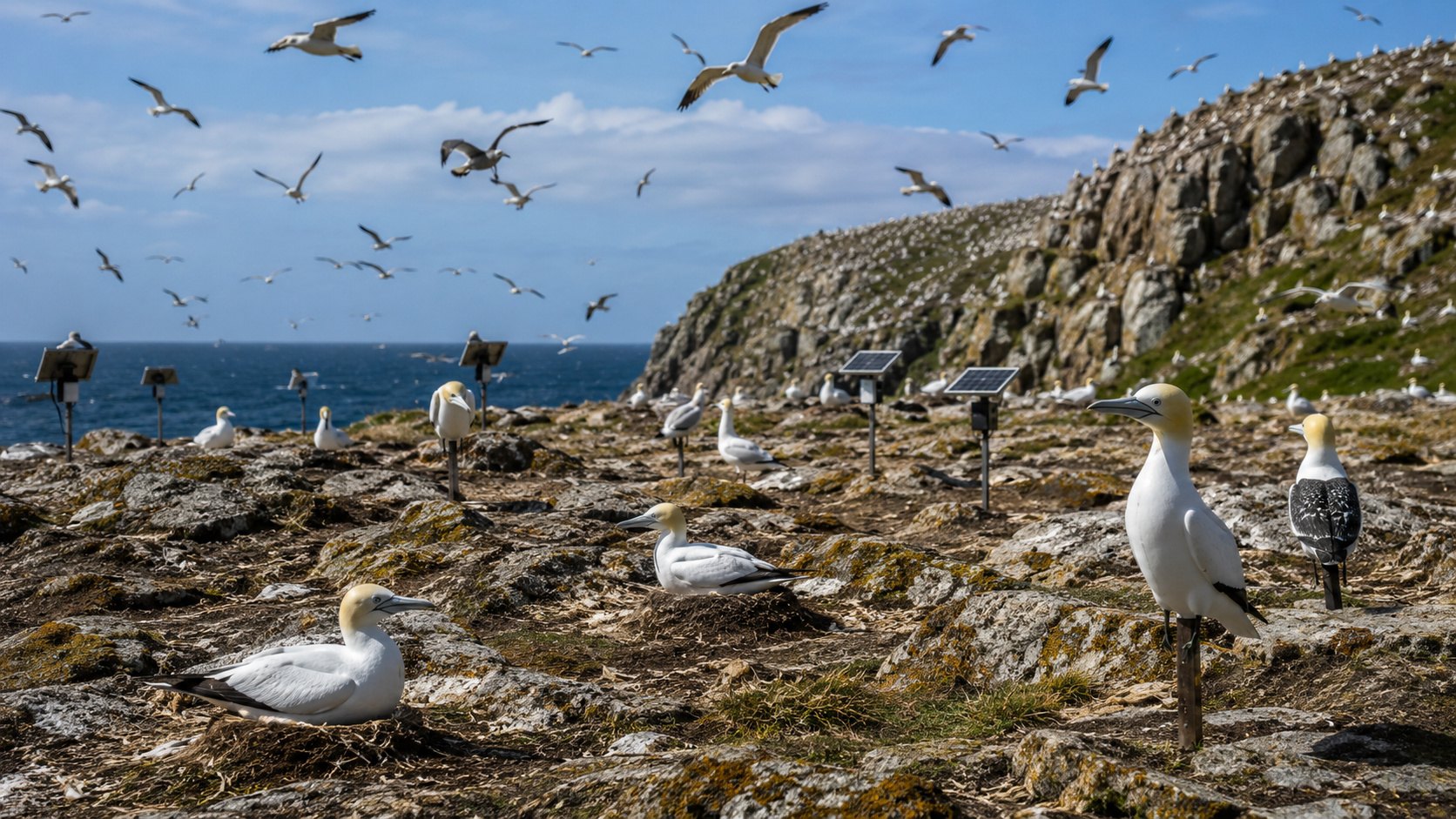
Scientists use more than 20,000 artificial birds and solar speakers to “trick” seabirds, reactivate nesting routes, and revive a colony on an island that seemed abandoned.

-
She spent 73 years breathing inside an iron lung, survived the aftereffects of polio, and became the last woman in the United States dependent on the equipment before dying at 78 years old.
-
Brazilian students created a $1 filter using pine bark, cotton, and 3D-printed parts to clean cassava wastewater, reduce the toxicity of a hazardous waste, and transform contaminated water into biofertilizer.


It is entirely within the exclusive economic zone of the Philippines, but has been under effective Chinese control since 2012, when Beijing took the reef after a naval confrontation with Manila.
In 2016, the Permanent Court of Arbitration in The Hague ruled that the Chinese blockade violated international law, but China ignored the ruling and has never recognized the court’s jurisdiction.
Last year, Beijing went further and created a nature reserve at the site, which Philippine security officials called a “clear pretext for permanent occupation.”
Manila also accuses China of operating ships from the so-called maritime militia disguised as fishing boats in Scarborough and other disputed areas, something that Beijing has never publicly admitted.
US distracted by Iran, China advances in the Pacific
The movement occurs at a time when diplomats and analysts fear that Beijing is taking advantage of the U.S. distraction with the conflict in Iran and the blockade of the Strait of Hormuz to consolidate positions in the South China Sea.
The United States maintains over 50,000 military personnel in the Middle East and is sending an additional 10,000 reinforcements to the region, including the group from the aircraft carrier USS George H.W. Bush and 4,200 Marines from the USS Boxer.
With Washington’s attention focused on the Persian Gulf, Beijing finds a window to act with less risk of direct confrontation.
In response, thousands of American and Filipino troops are starting joint military exercises this month throughout the Philippine archipelago, including the province of Zambales, whose coast is just 120 nautical miles from Scarborough Shoal.
In January 2026, the U.S. and Philippine Navies conducted the 11th joint exercise at the reef itself, a show of force that China sees as provocation.
The South China Sea is one of the busiest maritime routes on the planet, through which trillions of dollars in annual trade pass, including a large portion of the oil and natural gas that fuels Japan, South Korea, and Taiwan.
While the whole world looks at Hormuz, China quietly advances on the other side of the map, creating physical barriers that turn diplomatic disputes into reality on the ground.
Comment below: can the U.S. maintain two fronts at the same time, or is China winning this game in silence?