Portuguese
  Spanish


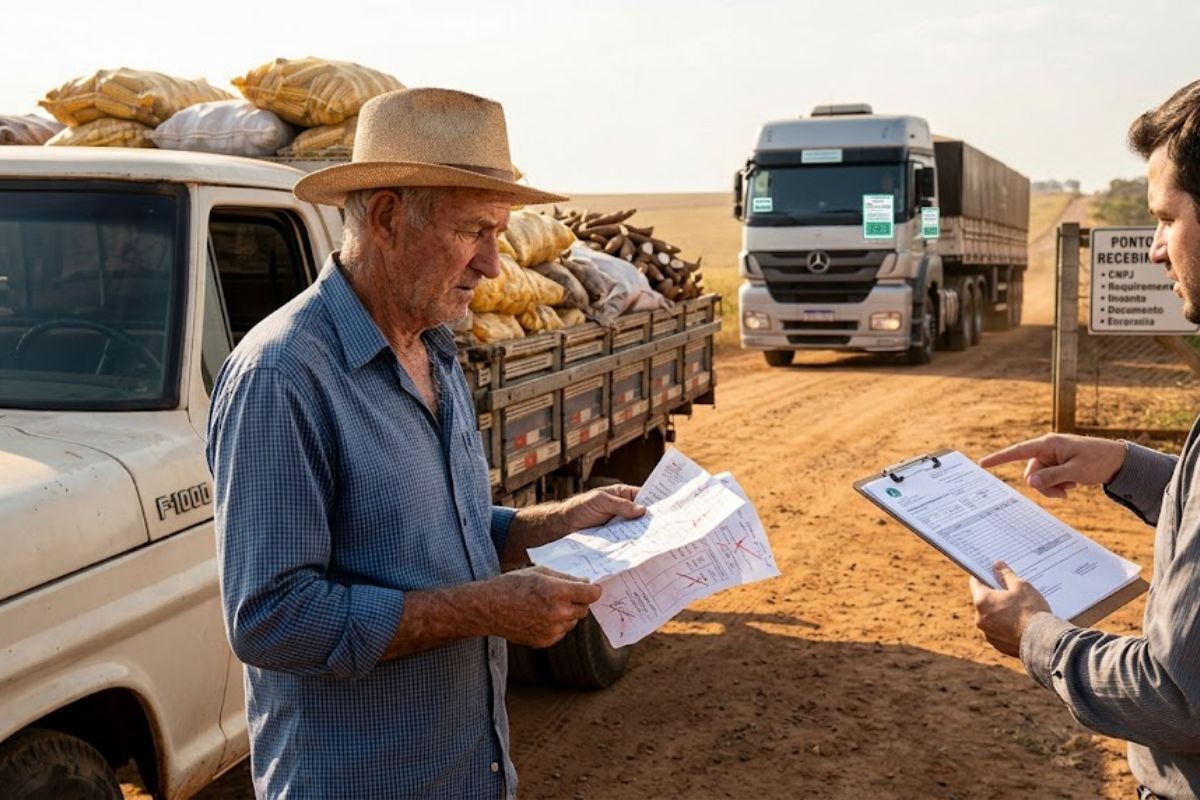

The tax reform made the CNPJ mandatory for all rural producers in Brazil, with an adaptation phase in 2026 and the start of collection of IBS and CBS taxes in 2027, and those who do not comply risk having invoices rejected, credits blocked, and sales operations stalled with cooperatives, tradings, and industry.
The ongoing tax reform in Brazil imposes one of the deepest transformations ever seen in agribusiness on rural producers: the mandatory registration in the CNPJ, regardless of whether the activity is conducted as an individual or legal entity. The measure, which is already in the implementation phase throughout the national territory, converts registration into a central requirement for issuing electronic invoices, obtaining credit, and participating in government programs. The year 2026 will serve as a testing and operational adjustment phase, while the full requirement for the new taxes is scheduled for 2027.
The operation is as follows: the rural producer will not be required to establish a company, but will need to have a CNPJ that serves as a unique identifier for agricultural activity before the tax authorities. This number acts as a specific document for operations in the field, separating fiscal identification from tax classification, two things that were previously confused. The two taxes created by the tax reform, the Tax on Goods and Services and the Contribution on Goods and Services, will appear on fiscal documents as early as 2026, even without full collection at this initial moment. Those who disregard this preparatory phase may accumulate complicated fiscal discrepancies to resolve later.
What changes in the daily life of rural producers
The requirement for a CNPJ moves from paper to the routine of the farm with immediate practical consequences. Without registration, the rural producer may have the electronic invoice returned by the system, face barriers to selling crops to organized buyers, see credit doors closed, and expose themselves to fiscal penalties. These are obstacles that directly affect the ability to operate and maintain the financial health of the property.
-
Producer receives news and had to cull almost the entire herd, bounced back with the help of compensation, and is now producing 450 liters of milk per day in SC.

-
Quail Eggs Reveal a “Secret Code” on Their Shells Explaining Unique Patterns and Colors

-
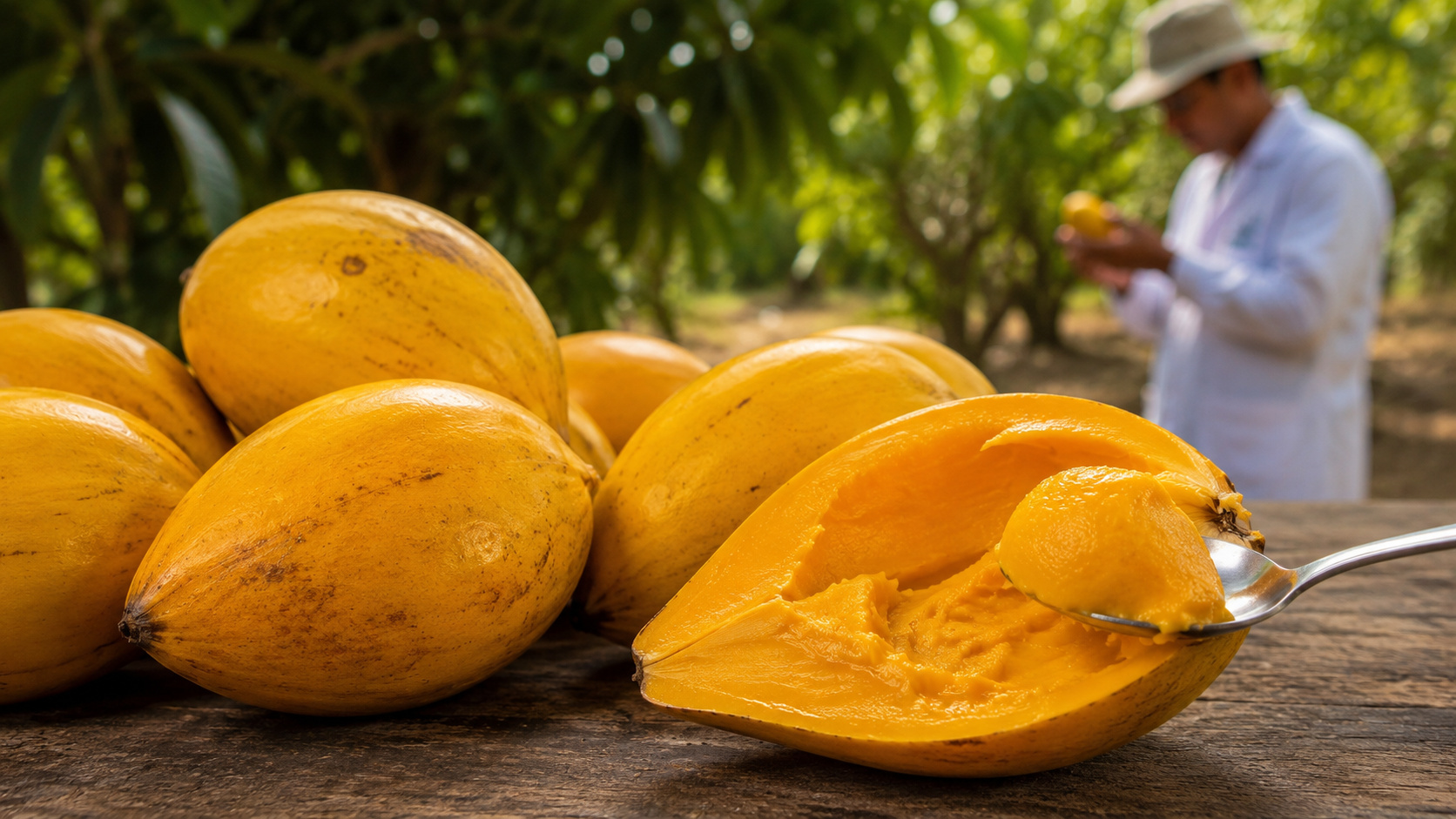
Rare Tropical Fruit Canistel, with Egg Yolk Color and Caramel Flavor, Gains Interest from Researchers and Small Producers in Brazil
-
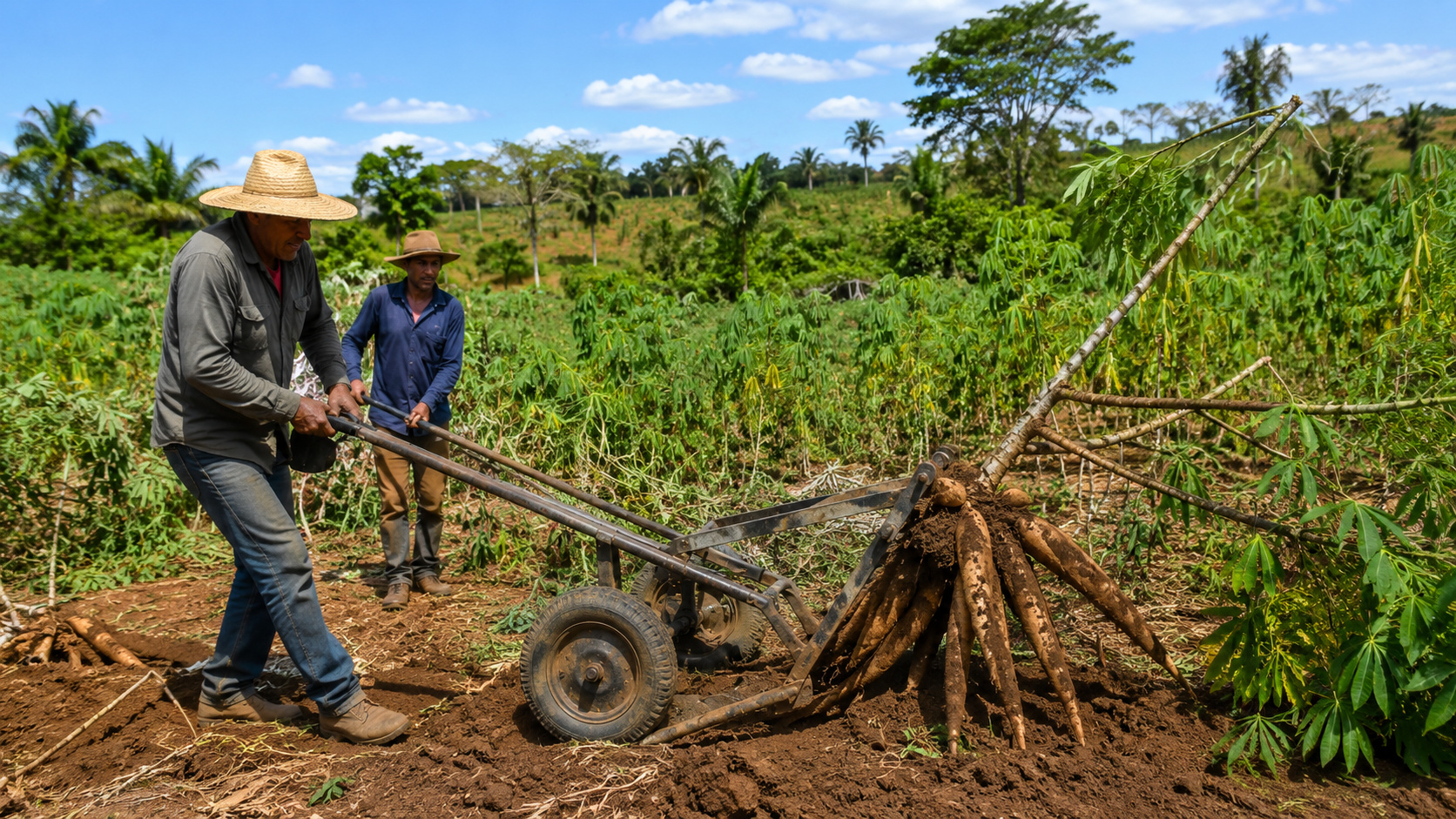
Brazilian Farmers Develop Wheeled Metal Lever to Ease Cassava Harvesting Without Heavy Machinery


The new model also raises the level of management required. The rural producer will need to update invoice issuance tools, reorganize accounting documentation, and connect their operations to digital platforms of the tax authorities. The migration to the alphanumeric format of the CNPJ, anticipated in this transition, may require adjustments in software already used in the field. Failures in this migration lead to loss of history and inconsistencies that drag on. The tax reform, in this sense, is not just a tax change: it is a change in operational culture.
Having a CNPJ does not mean becoming a company
This is the point that confuses rural producers the most. The registration serves as identification, and the individual can continue to operate as such even after registration. What changes is that all agricultural activities will be tracked by this number, and the tax regime will depend on variables such as annual revenue and type of operation.
The tax reform establishes an important milestone: those with revenues above R$ 3.6 million per year tend to automatically fall under the new rules. But even rural producers below this limit may need to join the system, as production chains begin to favor regulated suppliers, the use of tax credits weighs on competitiveness, and buyers may prefer those who already operate within the reformed model. The invoice from the irregular supplier becomes a problem for the buyer, creating market pressure that goes beyond legal obligations.
Credit and public programs will require CNPJ from rural producers
Access to financing is possibly the most sensitive point of this change. The trend is that the CNPJ becomes a central piece for the rural producer to be considered eligible for rural credit lines and government support programs. Those with organized documentation will have more predictability to plan harvests, while registration inconsistencies may generate restrictions or additional bureaucratic requirements.
The market is already clearly signaling this direction. Cooperatives, trading companies, and industries that purchase agricultural production tend to prefer suppliers with invoices and up-to-date registrations, which places rural producers without a CNPJ at a direct competitive disadvantage. Those pushed out of the informal system by the tax reform are precisely the link in the chain that still resists formalization.
Cases that require doubled planning
Not every situation can be resolved with a standard registration. Properties spread across different states may require a structure with a headquarters and branches, adding layers of complexity to the process. Family succession processes need to be conducted while preserving the registration history, and the wrong choice of tax regime can compromise the operation’s profitability for years.
Experts recommend that rural producers seek technical advice before opening the CNPJ, as poorly founded decisions at this moment tend to generate high costs that are difficult to reverse. The tax reform requires that the field professionalizes fiscal management with the same seriousness already applied to crop and livestock management. Treating compliance as a formality risks discovering, too late, that a poorly structured registration hinders invoices, credit, and access to the market.
Agribusiness enters a more digital and regulated phase
The requirement for a CNPJ indicates a shift that goes beyond bureaucracy. The Brazilian agribusiness is moving towards a more integrated, traceable, and digitally organized model, where the rural producer who adapts first will be ahead of those who resist. Fiscal control is increasing, but along with it come gains such as better credit conditions, greater transparency in operations, and integration with markets that require documentary compliance.
The assessment of specialists converges on one point: getting your house in order is now a matter of survival. The rural producer who crosses 2026 without starting the adaptation will reach 2027 with the tax demands from the tax reform knocking at the door and without the structure to respond. Producing well will continue to be essential, but fiscal regularity is what will separate those who remain competitive from those who fall behind. The CNPJ is no longer an accessory registration: it is the axis around which the entire field operation revolves.
And you, have you started to adapt to the mandatory CNPJ or are you waiting to see? Do you think the tax reform will professionalize agribusiness or just increase bureaucracy for the rural producer? Leave your opinion in the comments.