






 Portuguese
  Spanish


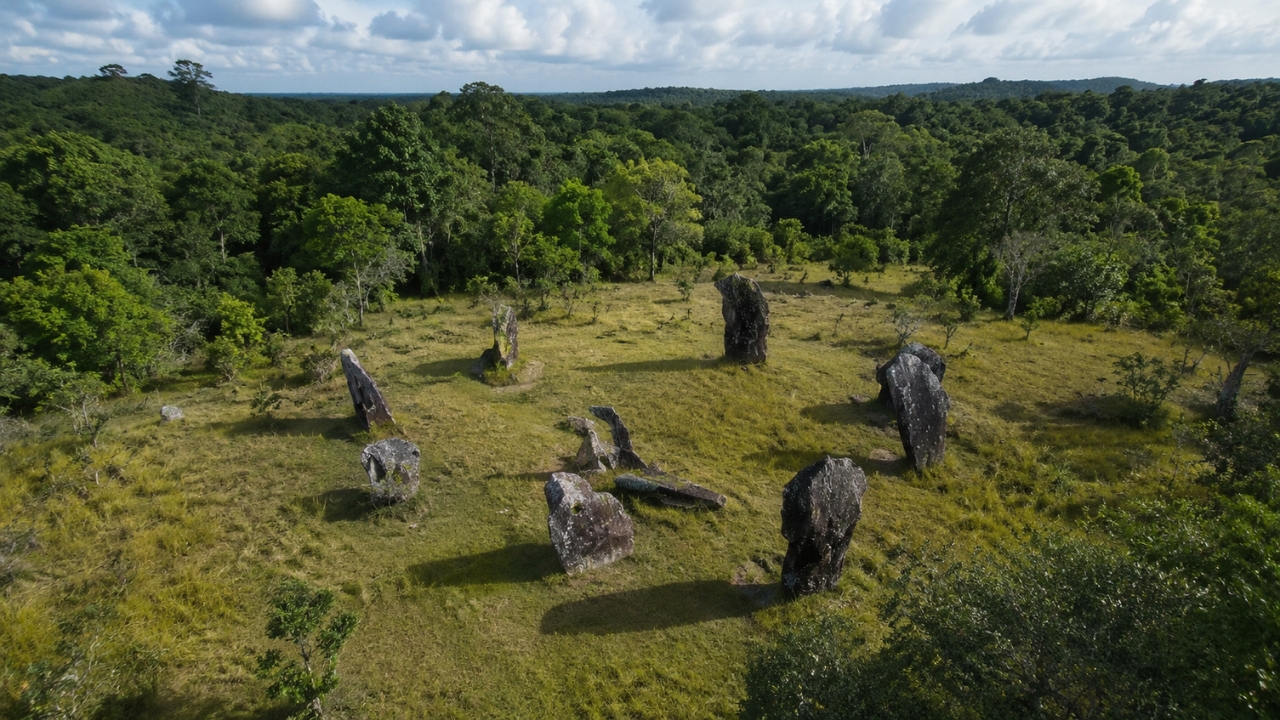

In the north of Brazil, a set of stones organized by ancient peoples raises new questions about indigenous astronomy, rituals, and ancestral memory in the Amazon, revealing an archaeological site still little known to the public.
In Calçoene, in the north of Amapá, a set of 127 granite blocks organized in a circle intrigues researchers, archaeologists, and visitors. The site, popularly known as the Amazon Stonehenge, is located in the Solstice Archaeological Park and draws attention for the hypothesis that it may have functioned as a possible pre-colonial indigenous solar calendar.
According to Portal Amazônia, the rocks form a circular structure about 30 meters in diameter. Some reach approximately 4 meters in height. The visual impact is strong, but what makes the site even more relevant is the possibility that indigenous peoples used that space to observe solar phenomena, perform ceremonies, and deal with funerary practices long before European colonization.
A stone circle in the middle of the Amazon
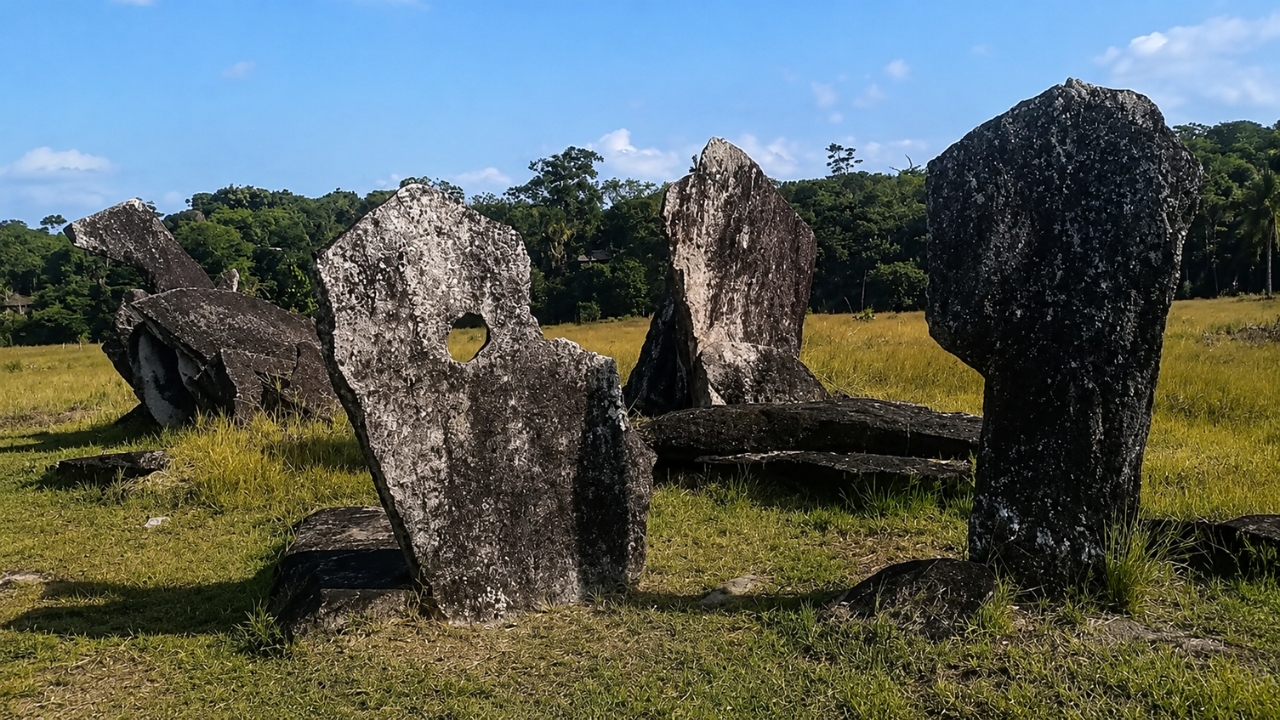
The site is located in the Igarapé Rêgo Grande region, in the rural area of Calçoene. It is also identified in studies as Site AP-CA-18 Rêgo Grande I. Although the nickname Amazon Stonehenge helps popularize the place, the comparison with the English monument should be understood as a visual and journalistic reference, not as a historical equivalence.
-
Six-Year-Old Uncovers 400-Million-Year-Old Coral Fossil in Backyard, Revealing a Pre-Dinosaur Ocean World

-
India Gains 2.1 Million Hectares of Dry Tropical Forest in a Decade, but Scientists Warn Much of It May Be Commercial Plantations, Not Genuine Biodiversity Recovery

-
Canada Builds World’s Largest Electric Car Battery Repurposing Plant in 6 Weeks, Aiming to Power Grids, Factories, Hospitals, and Data Centers Before Recycling Lithium, Nickel, and Cobalt

-
Scientists Discover Ancient Life Marks in 180-Million-Year-Old Moroccan Ocean Rocks




The stones appear in vertical, inclined, and horizontal positions. The set, according to the research cited by Portal Amazônia, was organized by human action. Access is via a branch road that connects the municipal seat to the Vila do Cunani, which helps explain why the site is still little known to the general public.
The distance also matters. Portal Amazônia mentions about 374 km from Macapá to the region, while academic studies place the site approximately 16 km or 18 km from the municipal seat of Calçoene. It is not a transit destination. It is a place that requires travel, preservation, and adequate infrastructure.
Solar hypothesis placed the site at the center of research
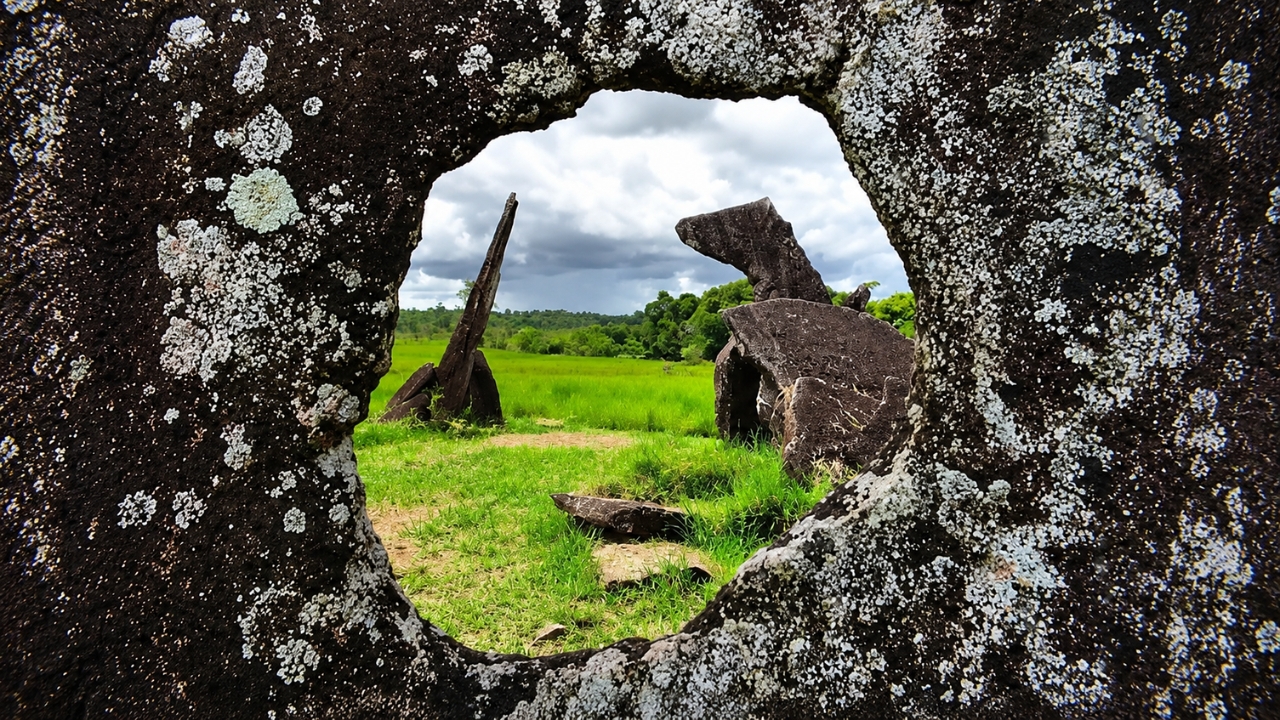
The most well-known part of the story involves solar alignment. Portal Amazônia reports that, on the winter solstice, on December 21 or 22, the sun can align with the site’s rocks. In an observation described by the publication, around 6:20 am, the light passed through the so-called hole stone, which has a circular opening, heading towards another rock on the opposite side.
This type of scene reinforces the hypothesis of astronomical use. Researcher Olavo Facundes, in the study “Cartography of archaeoastronomical techniques in the equinoctial cromlech of Calçoene,” analyzed the site with geotechnologies, maps, measurements, and observation of menhirs. The research works with the possibility that the site functioned as an archaeo-observatory.
The location also draws attention. The study highlights that the site is only 2°37’12” N of the Equator, a position that would favor equinoctial observations with great visual precision. Even so, the more prudent reading is to treat the solar calendar as a strong hypothesis, not as an absolute certainty about all the site’s functions.
Research points to rituals, urns, and Aristé ceramics
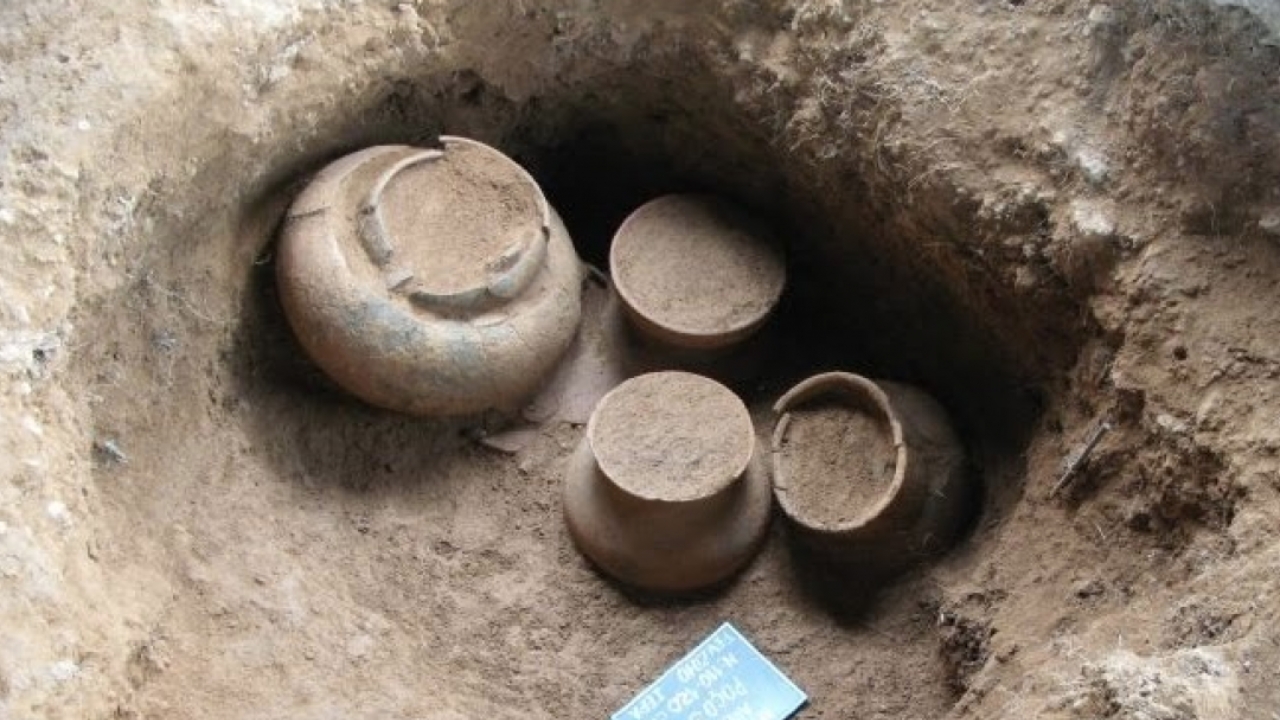
The Amazon Stonehenge is not limited to the sky. Excavations indicate that the space may also have had ceremonial and funerary functions. Iphan states that the site seems to indicate astronomical concern, but also records the presence of pits with funerary urns.
Works by Mariana Cabral and João Saldanha show that the site gathers evidence suggesting multiple uses. Among the findings cited in the research are ceramic deposits, vessels, offerings, and possible ritual visits to ancestors. This interpretation makes the site more complex and avoids a single explanation.
Studies published in Caderno 4 Campos also relate the site to Aristé ceramics, an archaeological tradition identified in northern Amapá. In Pit 3, analyses pointed to painted, incised, abstract, and zoomorphic motifs, elements associated with a ceremonial or ritualistic dynamic.
A Brazilian Heritage Still Off the National Radar
Despite its archaeological significance, the site still faces challenges of recognition, structuring, and preservation. In 2024, according to a technical statement from NuPArq/IEPA published in an official document from the Government of Amapá, a project that aimed to declare the site a state heritage was vetoed. The justification pointed out that the site did not yet have all the necessary systems for planning, management, zoning, and safeguarding to be formally defined as a state archaeological park.
At the same time, Iphan and the Government of Amapá signed a protocol of intentions linked to the New PAC to advance the Solstice Park of Calçoene project. The proposal involves musealization, preservation, and cultural and environmental tourism, without losing sight of the need to protect a sensitive site.
This point is crucial. Transforming the site into a tourist attraction without planning can put the heritage at risk. But keeping it invisible also means leaving out of public debate one of the most impressive pieces of evidence of Amazonian archaeology.


More Than Just a Curious Nickname
The nickname Amazon’s Stonehenge draws attention, but the real value of the site lies elsewhere. The 127 rocks of Calçoene show that pre-colonial Amazon cannot be seen merely as untouched forest or territory without significant cultural structures. There, stones, sun, ceremonies, and memory seem to meet in a landscape that still defies simple answers.
The case goes beyond a granite circle in Amapá. It reveals an ancient, sophisticated, and little-known Brazil, where indigenous peoples observed the sky, built symbolic spaces, and left marks that still today compel researchers to look at the Amazon with more care, respect, and curiosity.


