Portuguese
  Spanish


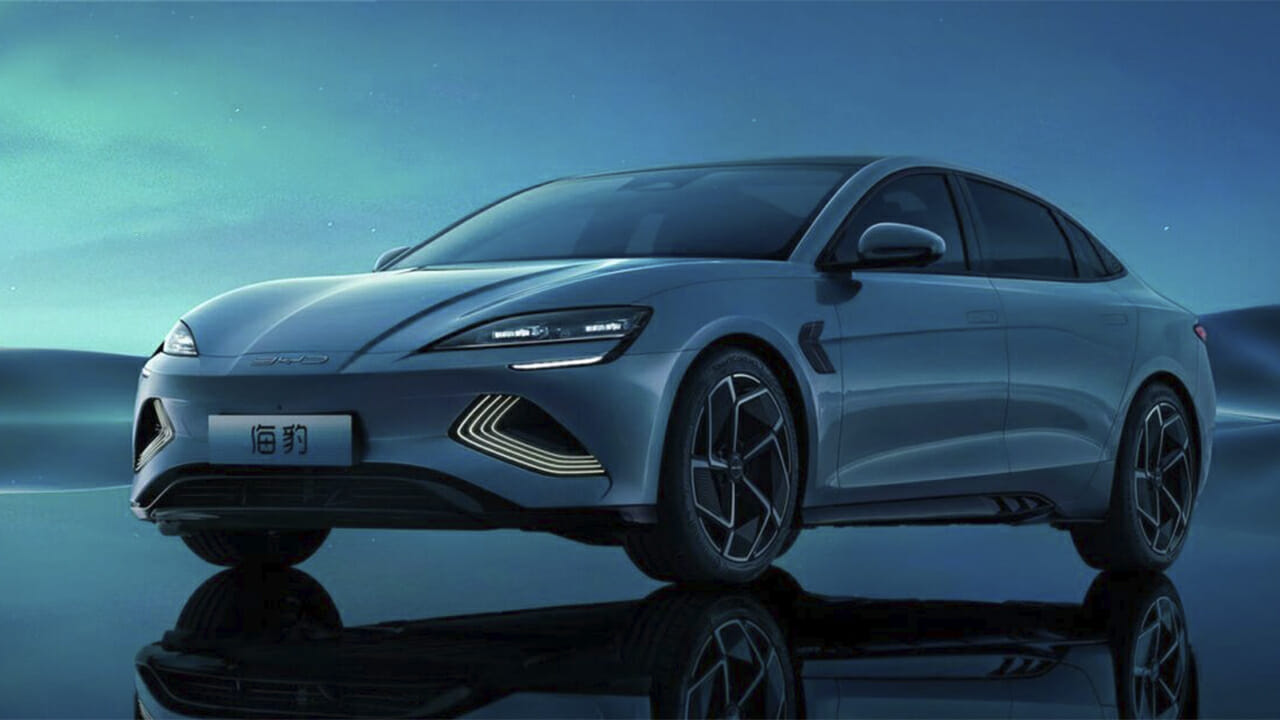

The Plug-In Hybrid Version of the BYD Seal Is Set to Launch in China This August, with an Initial Price of Approximately R$ 120,000 in Direct Conversion.
BYD Seal, a model already familiar to Brazilians in its fully electric version, is preparing to expand its horizons with an unprecedented plug-in hybrid version. The debut of this new variant will be in China, where it promises to impress with an exceptional electric range of up to 200km on a single charge.
The new plug-in hybrid version, named BYD Seal DM-i PHEV, is scheduled to launch in China this August, with an initial price of 180,000 yuan, which in direct conversion is approximately R$ 120,000, according to the latest information collected by Chinese media. Simultaneously, the start of production of the series-hybrid BYD Seal is already in full swing at the BYD factory located in Zhengzhou.
Distinctions of the BYD Seal Hybrid
Those who have had first contact with the Seal DM-i emphasize that it is not based on the BYD Han DM-i. Instead, it introduces a new front-wheel-drive chassis. Additionally, it features an independent multilink suspension at the rear axle.
-
Suitcase-sized hydrogen engine spins at 25,000 rpm, nearly doubling the efficiency of conventional cars and replacing exhaust smoke with water vapor

-
1983 Chevrolet Runs Over 100,000 km Without Gasoline, Powered by Wood Chips, Reaches 125 km/h in Airport Test

-
Workshop Converts Giant Tractor Tire Tricycle into a Three-Wheel Drive Hybrid with 36,000-Watt Electric Motor Capable of Climbing Hills

-
Chery Offers Lifetime Battery Warranty and Car Replacement for Major Failures Under New Chinese Regulations


The similarities with the BYD Seal EV are notable, especially in the exterior design. The dimensions are very similar, with the hybrid model measuring 4.90 meters in length and 2.90 meters in wheelbase (180mm longer, 15mm wider, and 35mm taller than the Seal EV).
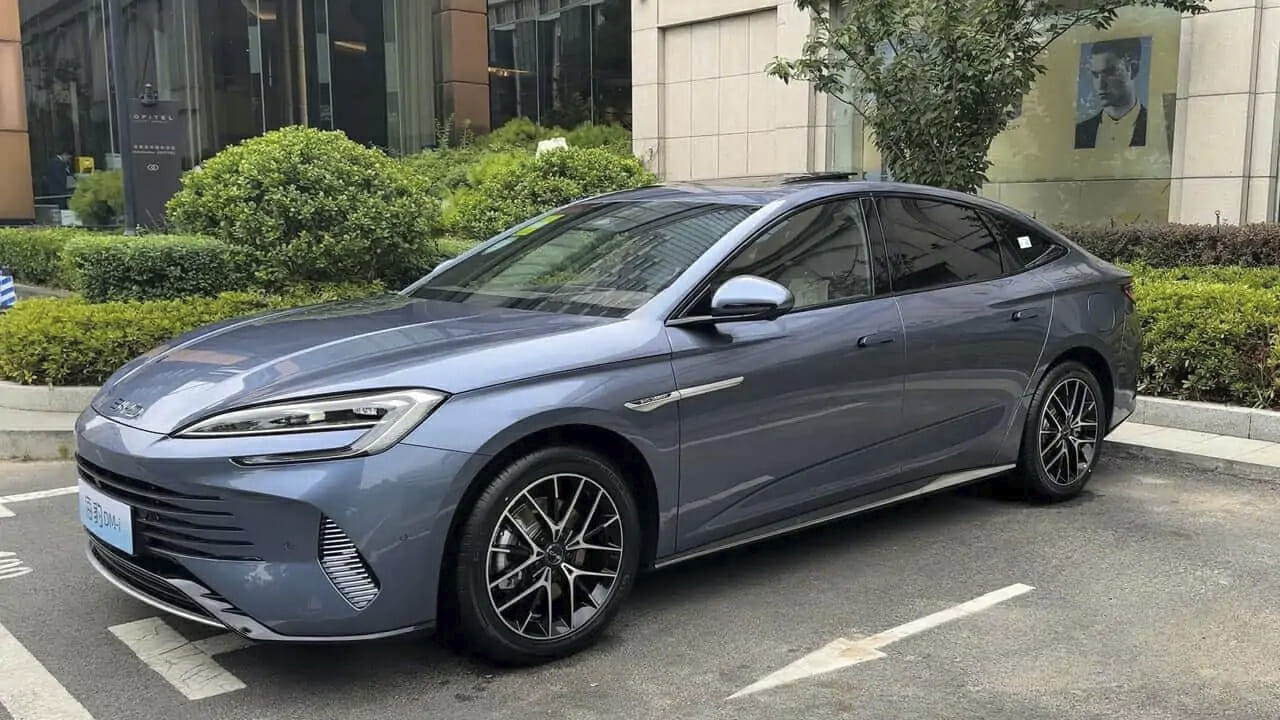
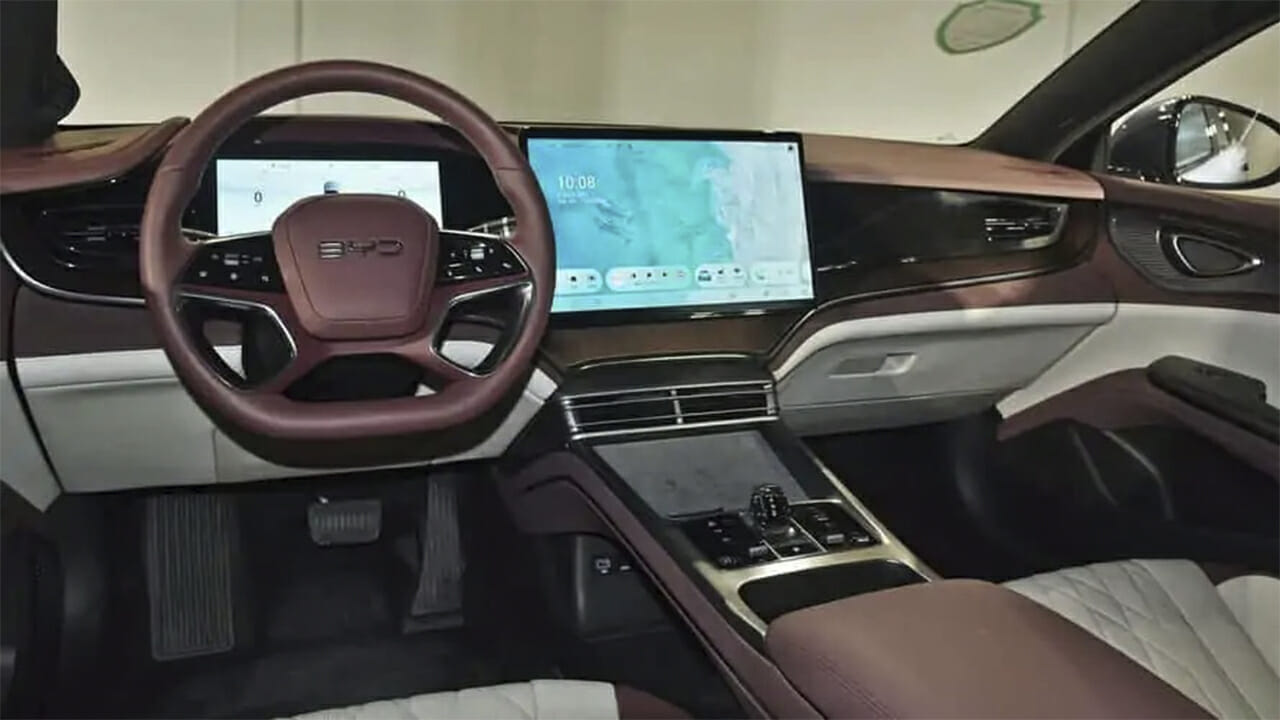
Internally, the Seal DM-i stands out for its sobriety and a more traditional finishing standard compared to the sporty character of the fully electric version. Highlights include the center console and door panels with wood-like details. The dashboard maintains the standard of the electric model but is distinguished by the new DiLink 5.0 operating system, supported by Qualcomm 7325 chips.
Motorization and Range of the BYD Seal Hybrid
Although full details and specifications have yet to be released, we know that the hybrid Seal will feature two options of BYD DM-i motorization. The versions will include the 1.5L and the 1.5T, both offering two battery options for an electric range of 121km or 200km, respectively, according to the NEDC cycle.
Pre-sales in China are expected to begin in the coming days, when all details, prices, and other specifications will be revealed. And, despite expectations, the question remains: will the BYD Seal plug-in hybrid also be launched in international markets, like the Seal EV, here in Brazil? We will be keeping an eye out to inform you.
BYD Seal in Its Fully Electric Version Has a Range of About 530 km
After impressing the electric vehicle market with the launch of the Dolphin, BYD once again captures the spotlight with the announcement of its upcoming launch for Brazil, the electric sedan Seal. Expected to arrive in the coming months, the Seal has the potential to rank among the models with the highest range available in the country.
Detailed information is still limited. BYD has not officially confirmed the price but stated that the Seal will be positioned between the Yuan Plus SUV and the Han sedan. This suggests a price higher than R$ 280,000 but lower than R$ 540,000. Considering these guidelines, a reasonable estimate puts the price around R$ 350,000.
The specific range of the BYD Seal according to Inmetro standards remains a mystery. However, it is known that according to the Chinese cycle, the vehicle has an impressive range of 531 km. It is worth remembering that the Chinese measurement methodology tends to be more optimistic compared to the Brazilian one.