





 Portuguese
  English
  Spanish
  2 min of reading


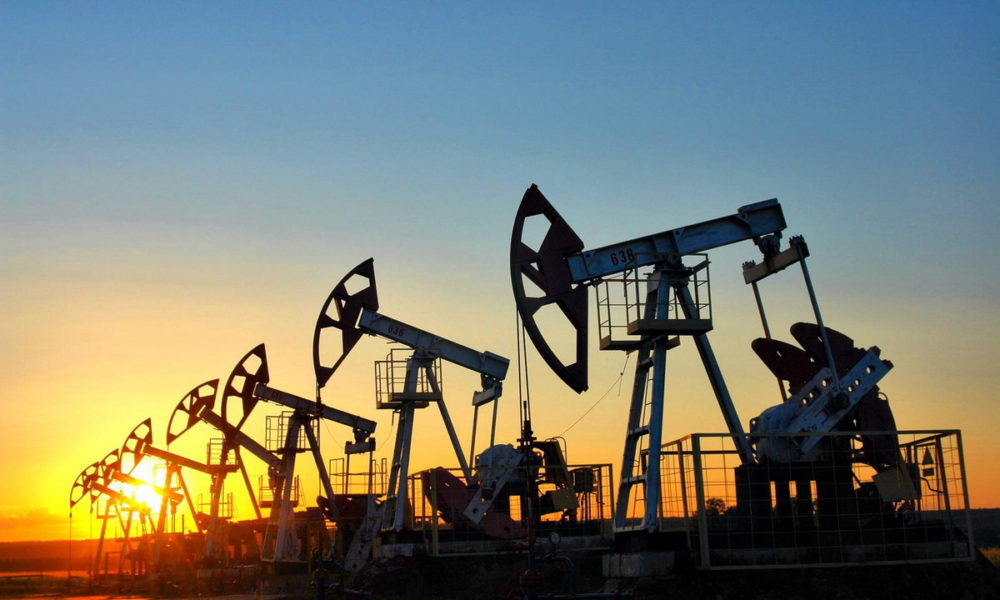
According to OPEC Secretary General Mohammad Barkindo, investments will be essential to avoid a crisis in the oil sector in the future
During the eighth technical meeting of OPEC, Secretary General Mohammad Barkindo stated that the oil sector experienced a 30% drop in investments, a lower figure than during the 2014-2016 recession. Therefore, to revive the oil industry, US$ 12.6 trillion will be needed to avoid an energy crisis in the future and also to reduce volatility.
Check Out Other News:
- Norwegian Employees of Oil Giant Schlumberger Threaten to Strike If Working Conditions and Salaries Do Not Improve
- Mining Projects Demand Positions with Accommodations for Mariners, Technicians, and Operators
- Assistant, Welder, Coordinator, and More Called for Maintenance Job Openings at Pulp Factory in RS
When the COVID-19 pandemic began, production adjustments were negotiated between OPEC member countries and non-members—called OPEC+—which reduced from 9.7 million barrels per day to 7.7 million barrels/day in August, and now to 5.8 million barrels/day for the period from January 2021 to April 2022.
In the economic crisis triggered by the pandemic, measures taken in the production adjustment aim to find a balance between global oil supply and demand.
-
SpaceX sets share price at $135 and targets a historic $75 billion IPO to debut on Nasdaq with a trillion-dollar market value

-
While the world rushes to mine lithium from Congo and Chile, Brazil sits on one of the largest reserves and has barely begun to explore.

-
Heir worked at thirteen in an ice cream factory without revealing he was the owner’s son; today, at twenty-five, he leads the best-selling ice cream brand for home consumption in the Northeast, grosses almost R$ 300 million, has 145 stores, and competes with multinationals with regional flavors.
-
Lock manufacturer from Rio Grande do Sul invests R$ 150 million to surpass R$ 1 billion in revenue, create 200 jobs, and double storage capacity, while choosing Santa Catarina to set up a new logistics center and speed up deliveries in Southern Brazil.


Mohammad states that the outlook for a vaccine being brought to market has sparked positive and hopeful sentiments in the sector, but still, the countries that signed the cooperation agreement need to maintain production cuts until the infection rate is significantly reduced.
The Secretary General says, “We are facing a resurgence of the pandemic, with new lockdowns in countries and regions. And once again, we must move forward.”
OPEC:
OPEC operates as a cartel of major oil exporters, controlling production volume with the goal of achieving the best prices in the global market. It is responsible for developing geopolitical strategies in oil production and export, as well as controlling sales prices of the product.
Currently, OPEC member countries include Algeria, Angola, Ecuador, Iran, Iraq, Kuwait, Libya, Nigeria, Qatar, Saudi Arabia, United Arab Emirates, and Venezuela. Indonesia suspended its membership in January 2009. OPEC’s headquarters is located in Vienna, the capital of Austria.





Be the first to react!