Portuguese
  Spanish


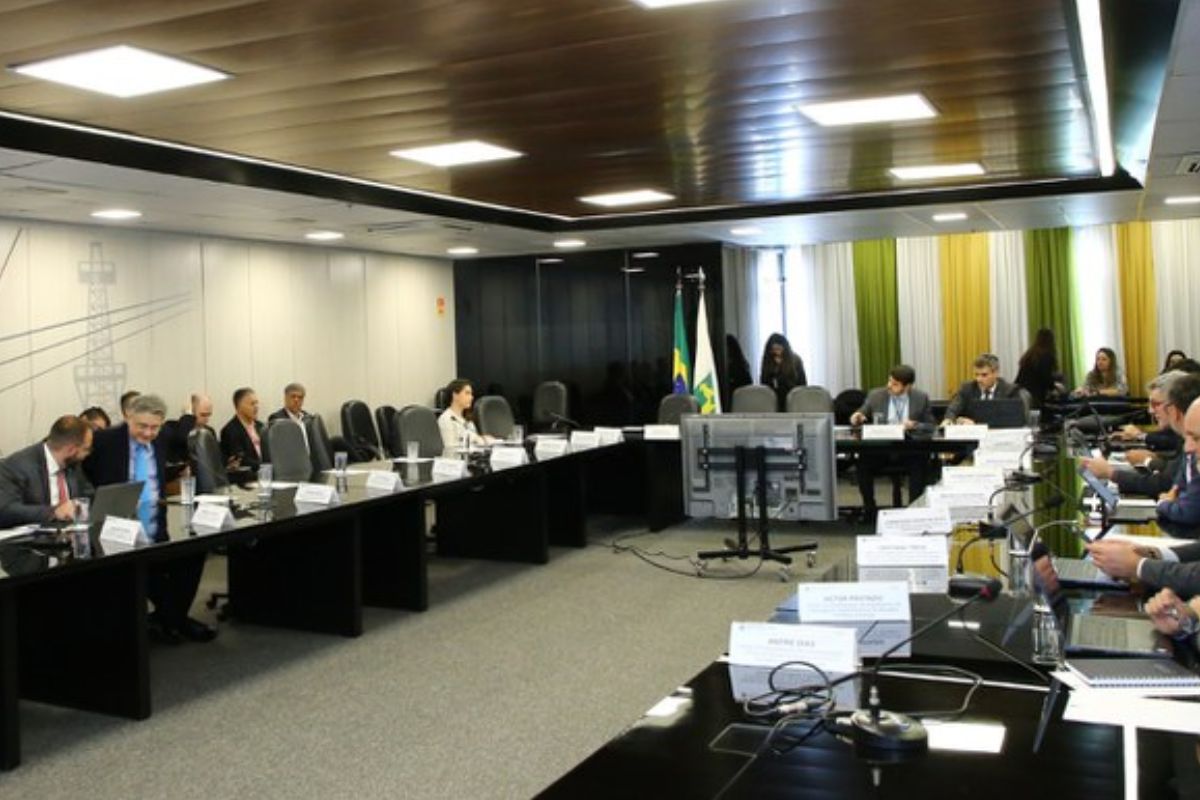

CMSE Reinforces The Electroenergetic Security In Brazil Through Integrated Management Of Reservoirs, Hydrological Monitoring, Transmission Expansion, Regional Interconnection And Inflow Analysis
The electroenergetic security in Brazil becomes a priority when the country faces periods of drought and high demand.
By highlighting this premise, the Electric Sector Monitoring Committee (CMSE) reaffirms its institutional commitment to continuous supply and plans structured actions for integrated management of reservoirs, according to a report published.
In this scenario, understanding projections of hydrological inflow, expansion of electric transmission in Brazil, and regional electric interconnection is essential.
-
Green Roofs on Homes Gain Popularity for Reducing Heat, Noise, and Rain Impact in Brazil

-
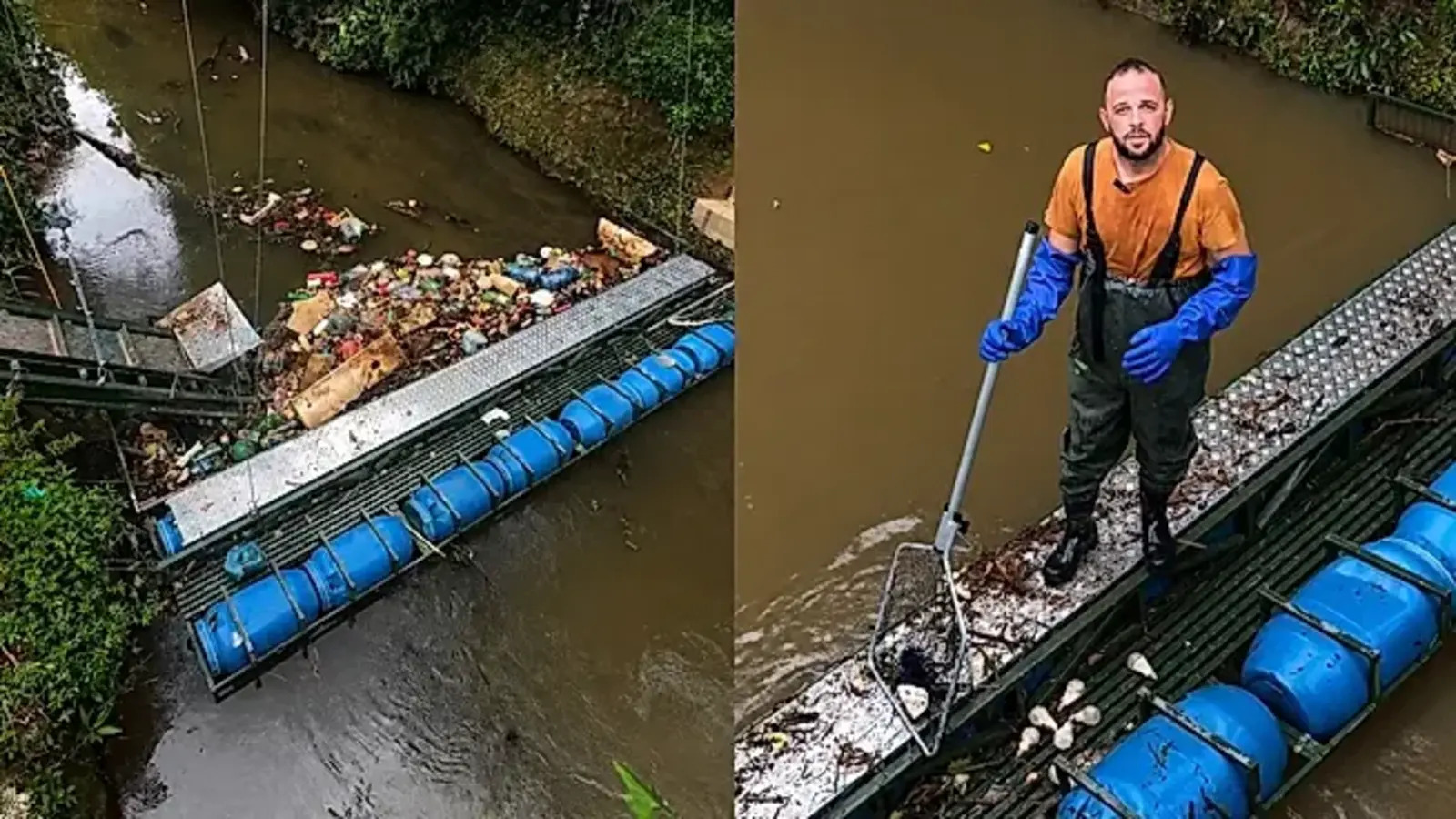
Brazilian promises his children to save a river, creates an eco-barrier in his backyard, has already removed more than 40 tons of trash from the water, and even inspires the idea in other states of the country.

-
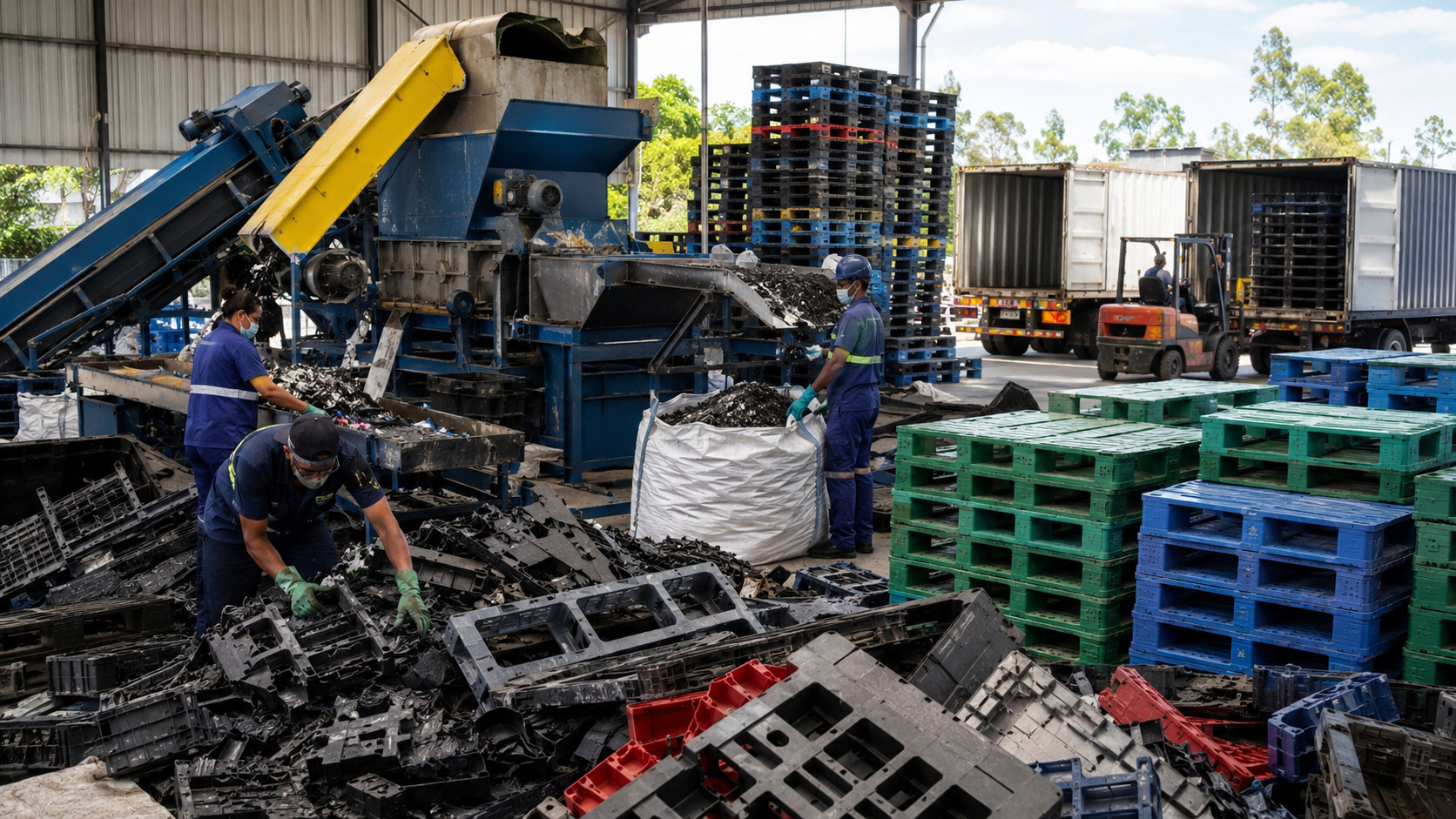
How a Brazilian company created a system that transforms broken pallets of any brand into new assets, recycles 80 tons of plastic per month, and found a profitable solution to a problem that challenges industries across the country.
-
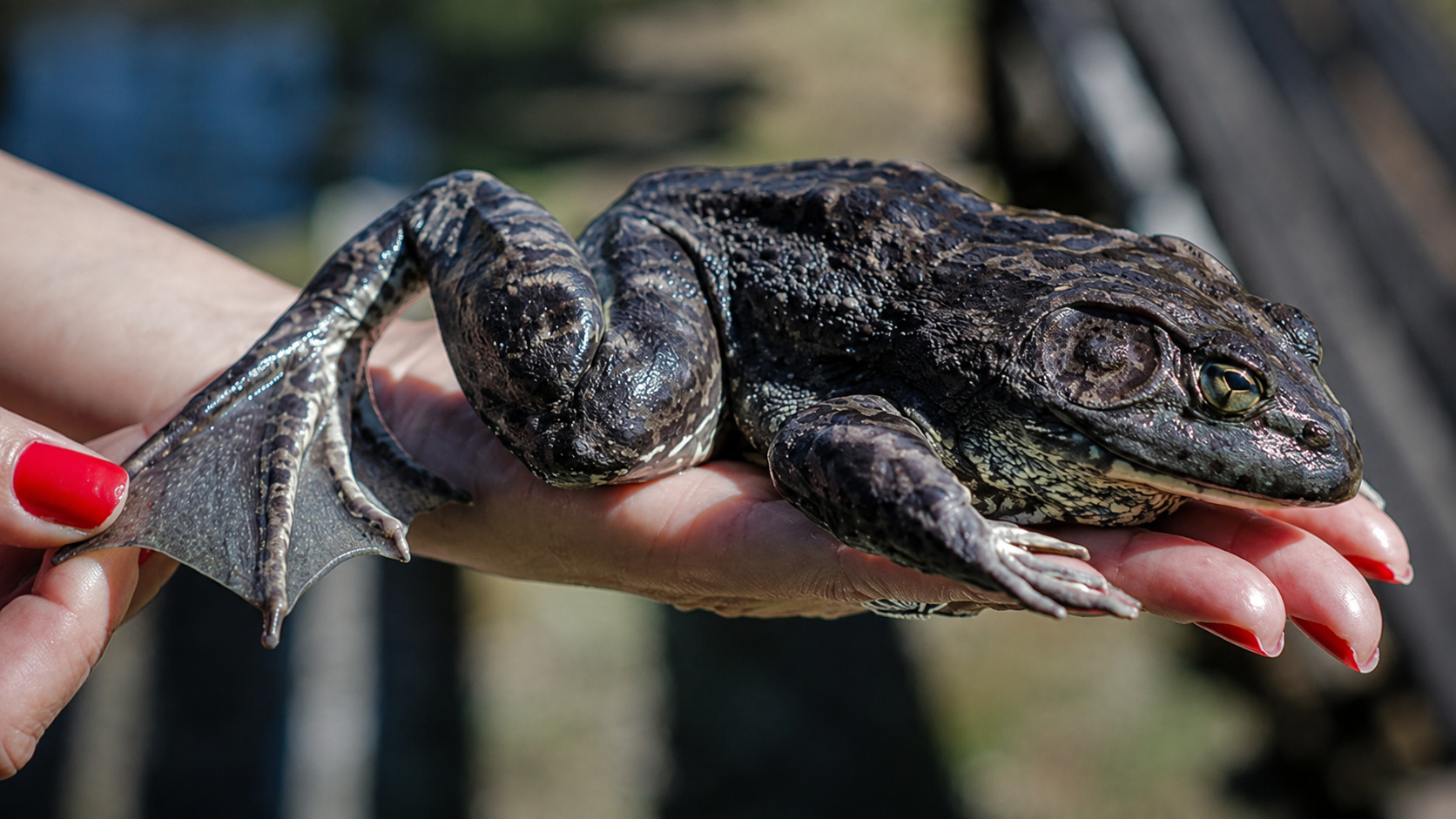
Invasive bullfrog capable of devouring other amphibians and laying up to 20,000 eggs is found in Florianópolis, raising an alert about the threat to native fauna.

Integrated Management Of Electric Reservoirs: Stable Pillar For The Electroenergetic Security In Brazil
In its 311th meeting, held on October 8, the CMSE evaluated the behavior of the reservoirs and reinforced the role of integrated management of electric reservoirs as a pillar to ensure supply until 2026.
Data from the National Electric System Operator (ONS) indicate that the reservoirs evolved as expected during the dry period and support positive projections for national energy supply.
The idea is to promote governance that articulates water agencies and the electric sector, strengthening coordinated decisions.
Monitoring The Brazilian Electric Sector Amid Critical Events
The CMSE discussed specific measures for periods of high demand, especially during the National Teacher Exam (PND) and ENEM, when energy consumption can surprise.
In this context, monitoring the Brazilian electric sector is essential to anticipate needs for additional thermal generation.
The Committee requested that the ONS present the planned operation results for these events and will adjust strategies in line with this strict control.
Hydrological Inflow Projections And Impact On Energy Balance
The projections for hydrological inflow received special attention. In September, the Natural Water Inflow (ENA) aggregated for the SIN reached 74% of the Long-Term Average (MLT).
In the subsystems, Southeast/Central-West recorded 61%, South 108%, Northeast 43%, and North 60%.
For October, the “most positive” scenario projects 70% of the MLT for the SIN, while the “less favorable” scenario indicates 43%, the second lowest value in 95 years.
These numbers are crucial for sizing reservoir usage and activating thermal plants.
Expansion Of Electric Transmission In Brazil And Interconnection With Isolated States
Another highlighted strategic front was the expansion of electric transmission in Brazil.
By 2025, up to September, 5,960 MW in centralized generation, 3,625 km of transmission lines, and 7,787 MVA of transformation capacity were incorporated.
A notable project is the Manaus-Boa Vista line, with 725 km in a double circuit of 500 kV, connecting Roraima to the SIN.
It was also emphasized that the electric interconnection of Acre, Feijó, Tarauacá, and Cruzeiro do Sul have recently been connected to the national system, with special attention to reducing forced outages and ensuring operational quality.
Institutional Cooperation And Governance For Secure Supply
The workshop held on September 24, promoted by the National Electric Energy Secretariat (SNEE) within the Short-Term Action CP11 of the Reservoir Recovery Plan (PRR), gathered entities to discuss institutional cooperation for integrated reservoir management.
The goal is to build more efficient and sustainable governance, with joint technical decisions among environmental, water, and electric agencies.
This type of institutional articulation enhances faster and more balanced responses in the face of extreme events regarding electroenergetic security in Brazil.
In addition to the discussions, the CMSE reaffirmed its legal role of continuous monitoring of supply conditions and meeting the electric energy market.
The decisions made at this meeting will be formalized in a record approved by the board and disclosed according to the regulations.
With this structure, Brazil reinforces robust and integrated strategies to ensure supply, prevent risks, and consolidate the electroenergetic security in the country.