






 Portuguese
  Spanish


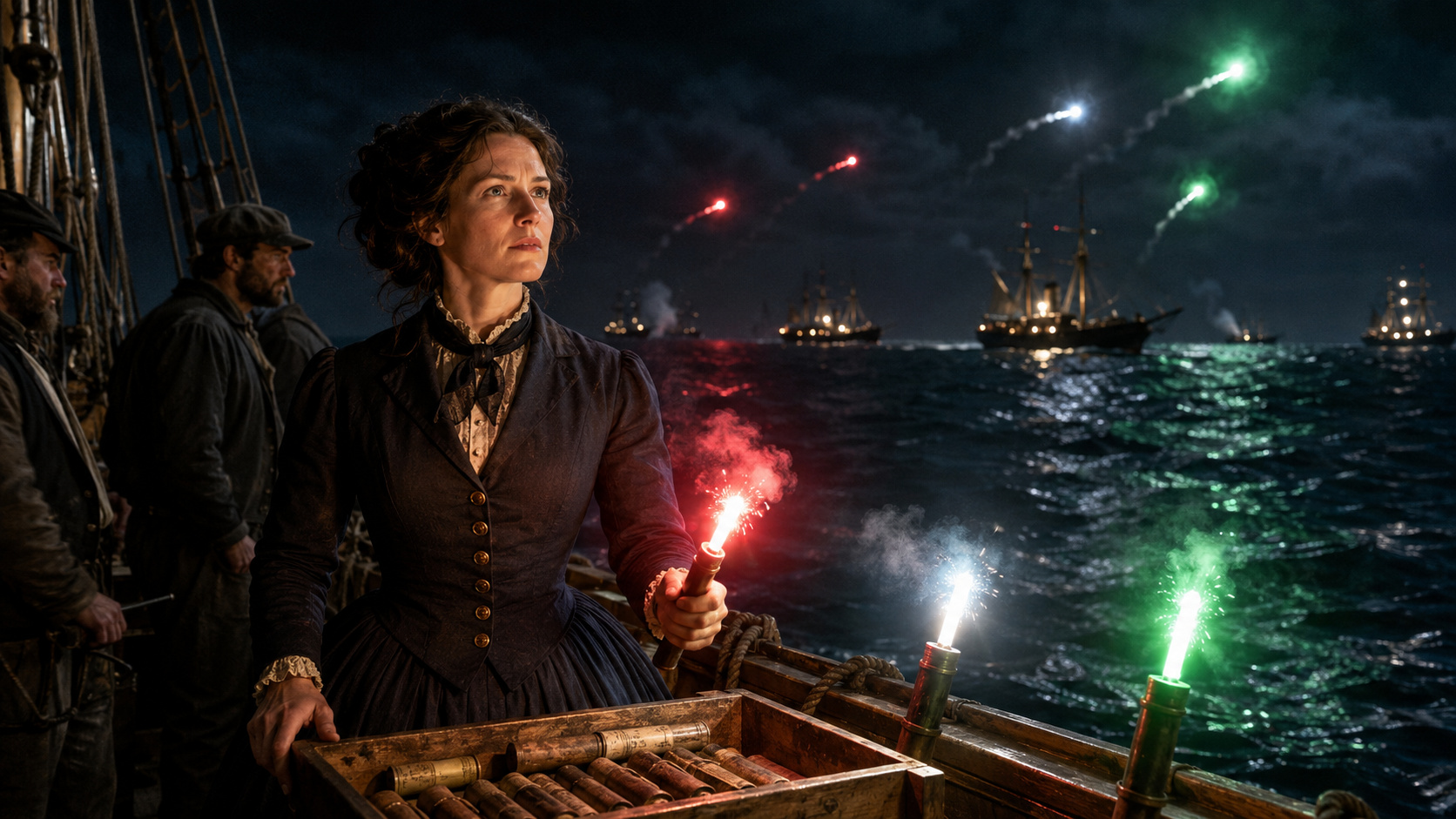

Colorful maritime rockets by Martha Coston helped vessels exchange signals at night before modern radio, carried visual codes over long distances, and were sold to the United States Navy during the Civil War.
Martha Coston was a widow and needed to support her children when she found an idea in the papers left by her husband. She spent more than a decade learning chemistry and pyrotechnics, the use of materials that produce intense light, until she transformed the project into colorful maritime rockets.
The information was published by the National Inventors Hall of Fame, an American organization dedicated to recognizing inventors. The story shows that the signals reached the United States Navy and were used during the Civil War.
Before modern radio, maritime signaling relied heavily on what the crew could see. In the dark, a light could indicate the presence of a ship, but it did not explain what message needed to be conveyed.
-
The Secret U.S. Underwater Network That Tracked Soviet Submarines for Decades Now Used for Science

-
7-Year-Old Girl Rejects Lollipop, Questions Sugar’s Impact on Teeth, and Launches Sugar-Free Brand Now in 25,000 U.S. Stores

-
Scientists Find Regular Activity Can Mitigate Alzheimer’s Impact, Even in Genetically High-Risk Individuals, Offering Strong Evidence for Cognitive Protection and Healthy Aging

-
Exploring Nazareth: Uncovering the Historical Setting of the Annunciation, Not Proving a Biblical Miracle


How communication was done at sea before modern radio
Before modern radio, communication at sea was limited by distance, darkness, and bad weather. Crews needed to find ways to send warnings when the voice could not reach another vessel.
An isolated light could attract attention, but it did not say if there was danger, a change of course, or a need for a response. Maritime signals needed to convey a clear message to those observing from a distance.
This challenge was important in ship-to-ship contacts and also between ships and the shore. Visual communication became a useful solution when other forms of contact were not available.
Martha Coston found an idea in the papers of her late husband
Benjamin Franklin Coston, an inventor who had worked as a naval scientist, died in 1848. After his death, Martha found notes with a sketch of a system based on colored lights.
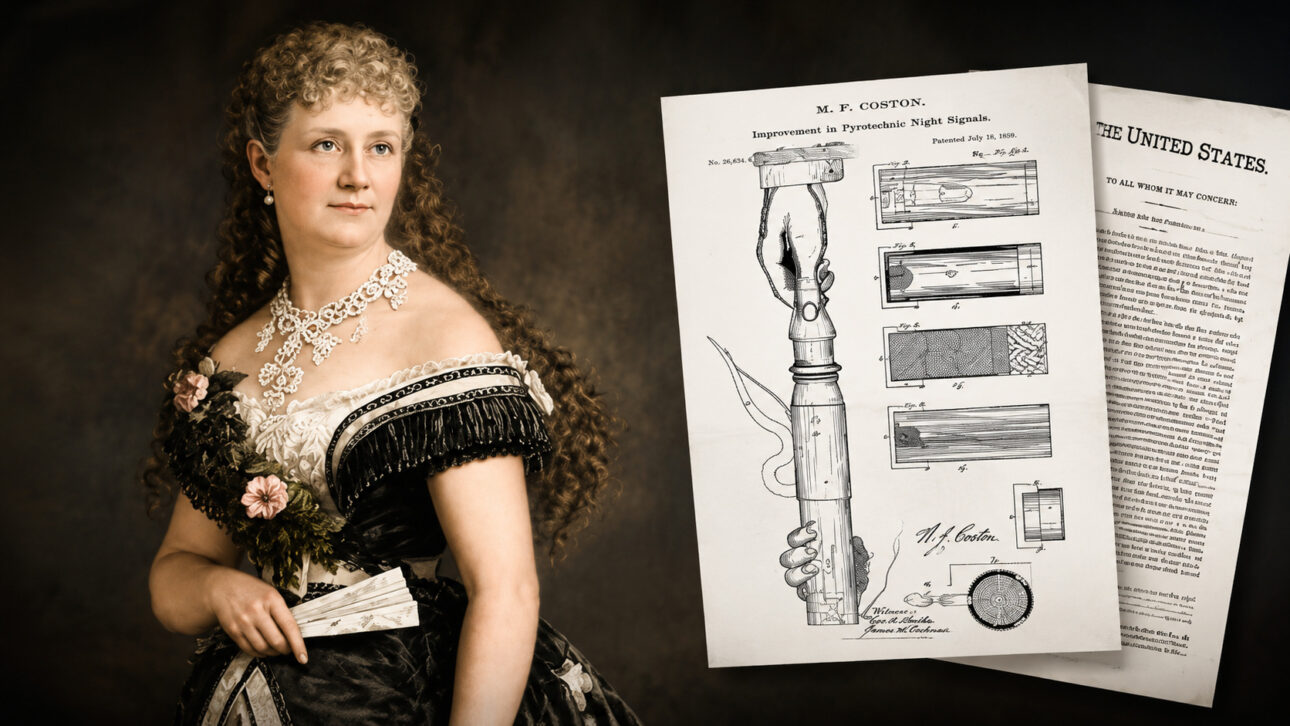
The papers did not explain how the signals could be produced. Martha decided to continue the work and sought to learn what was necessary to transform the initial design into something that would work at sea.
She studied chemistry, pyrotechnics, and also learned to manage a company. The effort took more than a decade until the signaling system could be used practically.
Light, color, and codes changed maritime rockets
In 1858, Martha Coston found inspiration in fireworks used to celebrate the first telegraph cable between continents. She wanted to create signals in red, white, and blue colors.
However, blue presented a challenge. Martha managed to develop red and white signals and decided to use intense green instead of blue. The system began to work with red, white, and green.
The National Inventors Hall of Fame, an American organization dedicated to recognizing inventors, records that the patent for the system was issued in 1859. Martha appeared as the administrator of the patent, while Benjamin Franklin Coston was identified as the inventor.
The colors could be combined into codes. This allowed a sequence of lights to carry information to those receiving the signal.
The United States Navy used the signals in the Civil War
The United States Navy saw utility in the signals because they were bright, lasted longer, and could form color combinations. This feature helped send messages over long distances.
During the Civil War, Coston Manufacturing Co. sold the signals to the United States Navy at cost. The system facilitated communication between ships and also between vessels and points on land.
The maritime rockets showed that a light could do more than reveal the position of a ship. With organized colors, it could also transmit directions and alerts.
Why maritime pyrotechnics still require caution
Maritime pyrotechnics use materials that produce strong light to attract attention in specific situations. Therefore, flares should not be treated as ordinary objects or used improvisationally.


The marine signal flares are part of vessel safety because they help make a warning visible when darkness hinders communication. The main function is to alert and facilitate the understanding of a situation.
The same logic applies to ports and structures at sea, such as platforms. A visual message needs to be clear to reduce doubts when visibility is limited.
Martha Coston turned an incomplete idea into a color system that helped ships communicate in the dark. Her journey combined persistence, study, and a simple solution to a challenge that put vessels at risk.
What simple invention, created before the radio, still deserves more attention for having protected those who depended on the sea to live and work? Leave your answer in the comments and share this story.


